

What is aging in place?
Aging in place refers to the ability of older adults to live safely, independently and comfortably in their own homes and communities as they age. Rather than relocating to an assisted living facility or nursing home, many seniors prefer to remain in a familiar environment. The goal is usually to preserve independence for as long as possible.
This approach often involves making specific home modifications to address changing mobility, safety and health needs. In practice, that can mean anything from grab bars and better lighting to wider doorways, a walk-in shower or a stair lift. Aging in place supports autonomy and can improve quality of life while potentially reducing long-term care costs.
Entryway modifications for aging in place
To make your home safer and more accommodating for aging in place, a common place to start is the entryway. Widening doorways, removing steps and adding ramps are all valuable upgrades, especially if you’re going to be using a wheelchair. Here are some of the price points for these remodel projects.
Widened doorways
You can widen your doors for easier access if you have a wheelchair or power chair. Even if you don’t have a wheelchair, a wider doorway will decrease your chance of injury by running into a door frame. Materials and labor can cost anywhere from $300 to $800 for your front door, but prices can vary widely if you need to widen entire sections of your house. Make sure you get an accurate quote from your installers before you commit to the project.
If widening a doorway requires moving electrical wiring, plumbing or load-bearing support beams, costs can rise significantly. Front and back doors are usually safer and cheaper to widen than hallways or interior doors, which are often structural. Remodeling a home down to the foundation can often cost you $20,000 to $40,000. If that’s the case, it may be worth comparing the remodel cost with the price of moving into a more accessible home.
Step-free entrances
Even a few shallow steps can be a trip hazard, and many houses have high thresholds, which are among the most common barriers to independent mobility. Minor threshold adjustments cost around $500 to $1,000. Larger structural alterations, such as lowering an entryway or modifying exterior masonry, can cost between $1,000 and $4,000.
Accessibility ramps
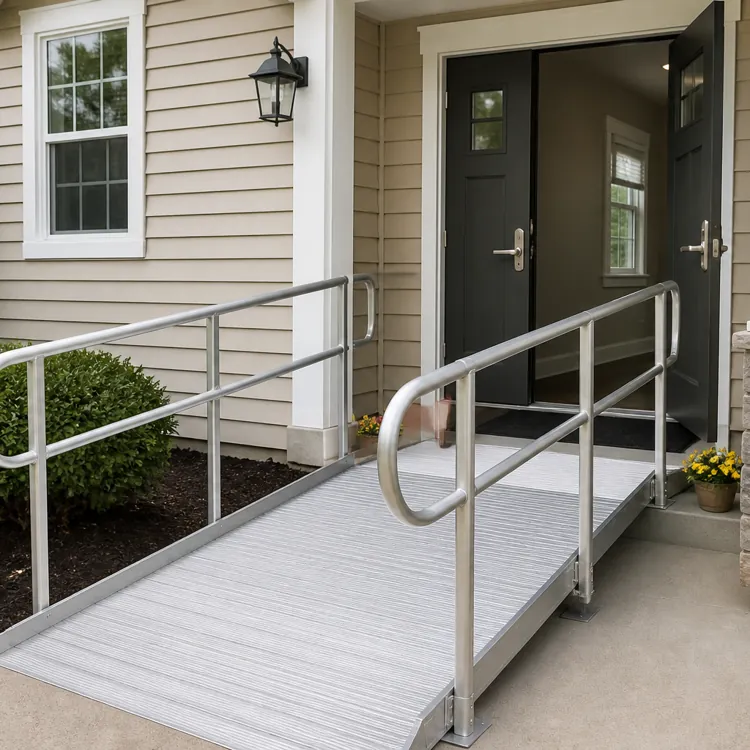
Installing an entry ramp is one of the most straightforward ways to make a home more accessible. Ramps can cost anywhere from $400 for a premade short ramp to $3,000 for a custom, large ramp that extends from your driveway to your home’s threshold.
Bathroom modifications for aging in place
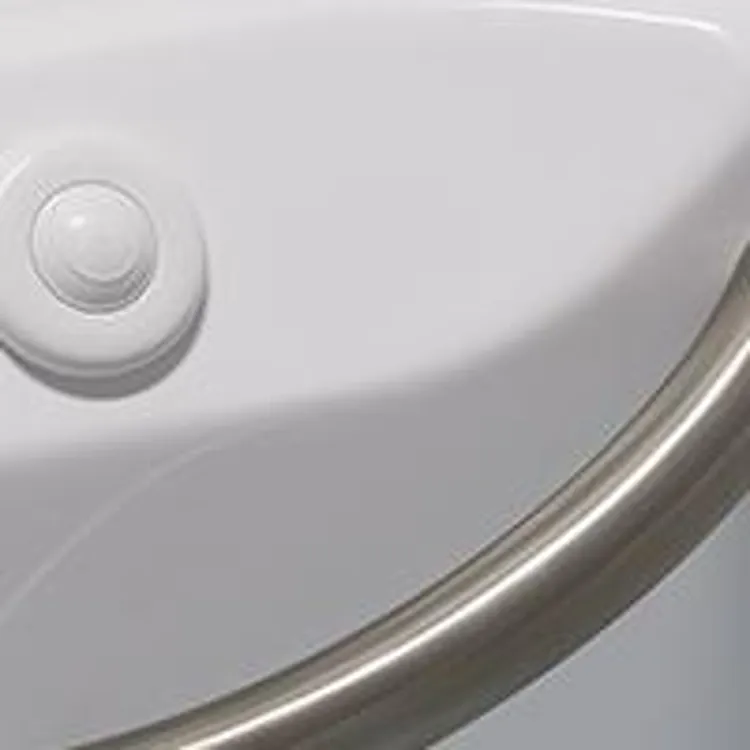
Statistically, most home accidents happen in the bathroom. Slippery floors and a lack of places to steady yourself can lead to a nasty spill. Small updates can make a meaningful difference, but full bathroom remodels can get expensive quickly.
Walk-in tubs
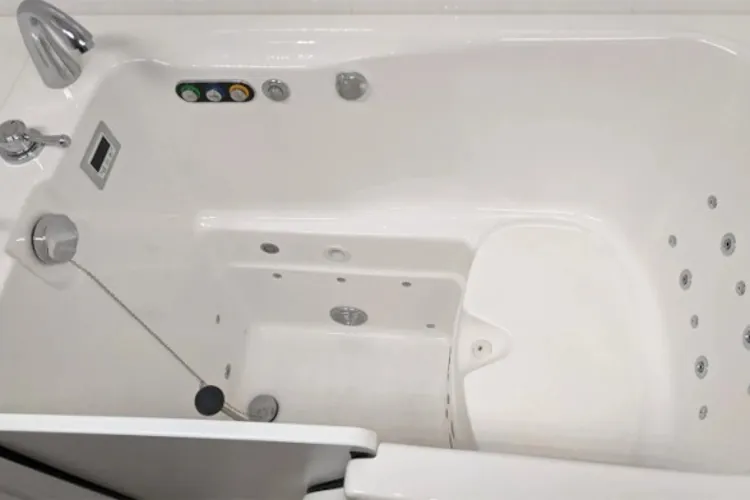
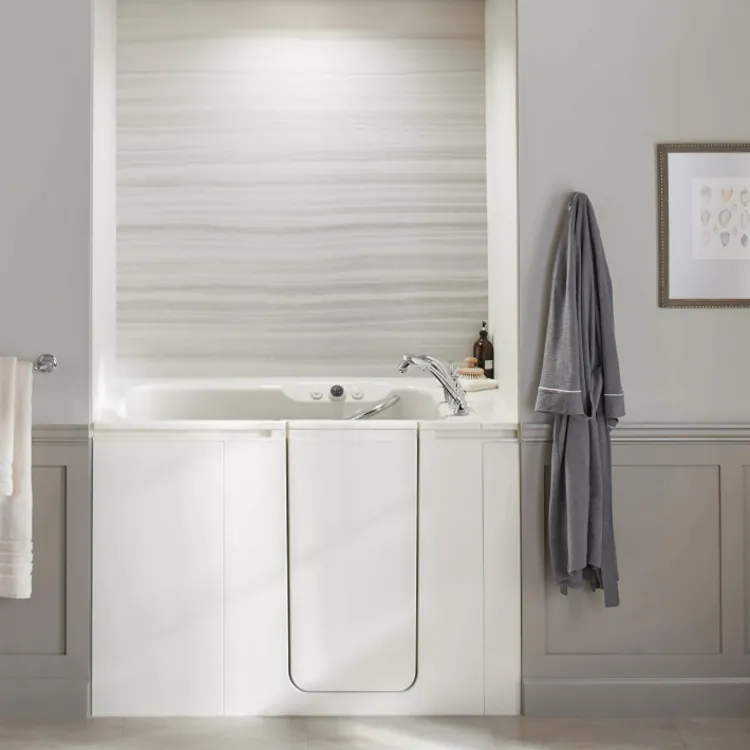
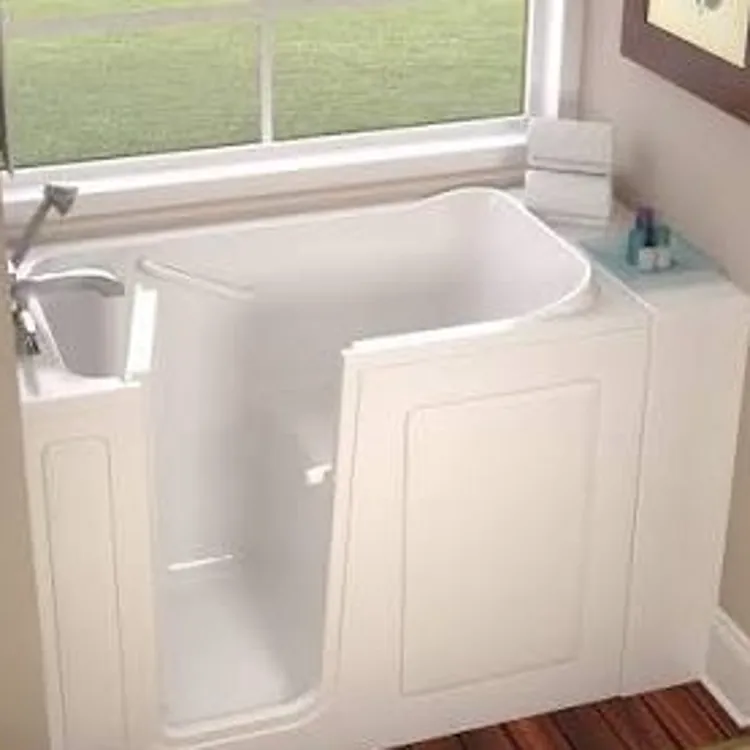
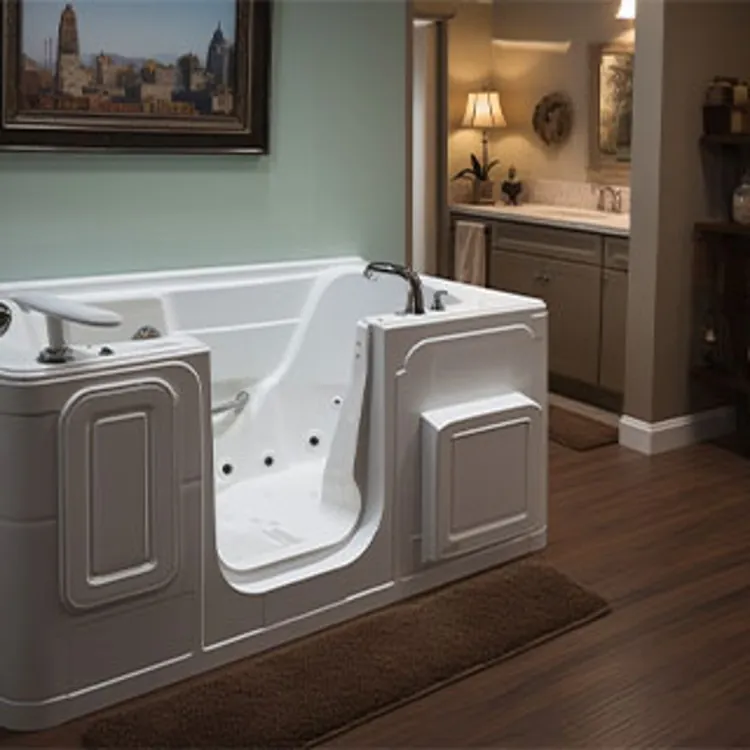
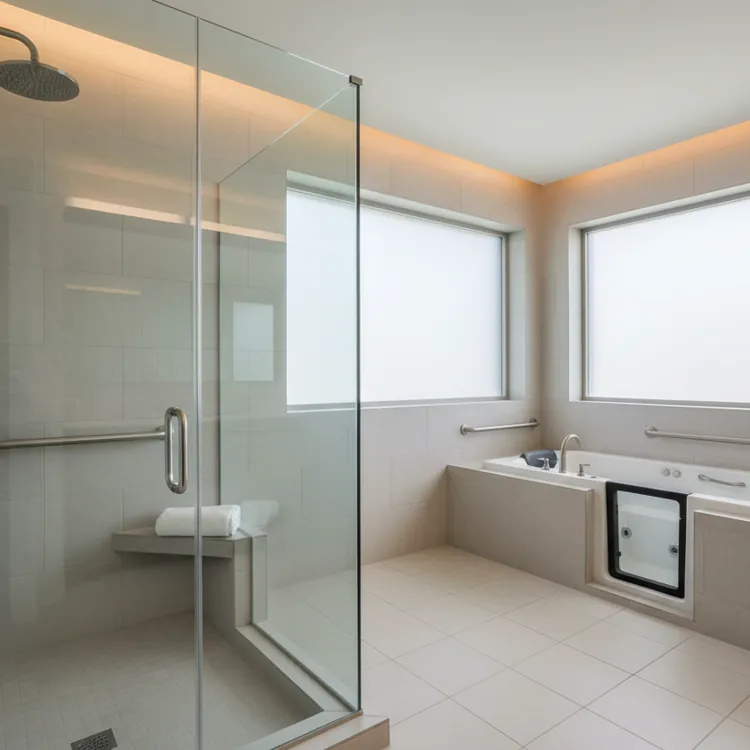
Walk-in bathtubs are designed to help minimize the risk of falls. You can buy and install a basic soaking walk-in tub for around $2,000 to $5,000, or invest in a feature-rich, deluxe walk-in tub with aerotherapy and hydrotherapy jets that can massage away aches and pains as you age. These usually retail between $5,000 and $10,000.
For a more complete discussion of walk-in tubs, visit our guide to the best walk-in tubs.
Walk-in showers
Walk-in showers completely remove the barrier of a tub wall or shower curb, which can make bathing easier for people with limited mobility. These showers are especially useful if you have a wheelchair and need to move straight into the shower.
Prefabricated walk-in shower kits start at around $1,500, while walk-in shower remodels can cost over $20,000, depending on the luxury features you choose and the amount of plumbing work required.
A shower conversion can be a smart middle ground between a basic update and a full bathroom remodel. It is often less expensive than adding a luxury tub and more practical than keeping a traditional tub/shower combination.
Complete bathroom remodel
Remodeling your entire bathroom for aging in place brings the whole space up to accessibility standards at once. A full remodel may include lowering the sink and countertops for wheelchair access, installing slip-resistant flooring, adding a walk-in shower and widening the doors. A total safety overhaul can cost between $8,000 and $25,000.
Lifts and elevators for aging in place
High-end aging-in-place upgrades involve extensive changes to your home. These fixtures maximize comfort and accessibility, but they can also be harder to price. The cost of labor and materials for upgrades such as ramps, lifts, and complete room remodels will vary widely depending on your home's layout.
Stairlifts
If you live in a two-story house, you can install a stairlift to help you get up and down the stairs. You can buy and install a basic indoor straight stairlift model yourself starting at about $3,000. Professional installation will add between $500 and $2,000 in labor costs. The longer and more complicated your staircase is, the more expensive the lift will be.
Check out our buyers' guide to learn more about stairlift options.
Wheelchair lifts
Wheelchair lifts can make any home wheelchair accessible when stairs are no longer manageable. Putting a wheelchair lift inside or outside your home will cost around $5,000.
Because they take up significant space, lifts aren’t always a good fit for smaller homes or narrow floor plans. Consult a professional to get a layout of your house before you commit to adding a lift — if it makes your home too cramped, it may not be worth the upgrade.
Dumbwaiters and valets
Even if you can still physically use the stairs, carrying laundry, groceries, or luggage up the stairs increases the risk of falls. Dumbwaiters and similar lifts are platform-and-pulley systems that can carry these items for you. They are not a substitute for accessibility features that move people, but they can help reduce physical strain in your day-to-day life.
Costs vary by size, but you can expect to install a dumbwaiter or valet for about $2,000 to $4,000.
Elevators
If your house has two or more floors, you could install a full-size residential elevator. These are mostly found in large homes, and they’re some of the most expensive single-item upgrades you can purchase. For deluxe indoor elevators, expect to pay over $30,000. The price can rise well above other entry-level accessibility updates once engineering, permits and finish work are included.
Aging in place vs. assisted living
When weighing the decision between aging in place and moving to an assisted living facility, cost and independence are two of the most important factors. Aging in place allows individuals to retain autonomy and remain in familiar surroundings, but often entails upfront remodeling costs. These can range from a few thousand dollars for small upgrades to tens of thousands for full home renovations.
Assisted living, on the other hand, bundles housing, meals, medical monitoring and daily care into one monthly fee. Over time, these costs can exceed the price of one-time home remodels for aging in place.
Aging in place and assisted living solve different problems, so the cheaper choice is not always the right one. Choosing between the two depends on your physical health, family support system, available finances and personal preferences. For those with progressive health conditions or limited access to caregiving help, assisted living may offer greater security. For others with strong local support and a suitable home, aging in place can provide more comfort and control.
Financial assistance for home remodels
Funding a major home renovation can place significant strain on retirement savings. If you need financial aid, there are many sources that can help you modify your home to make it safe for aging in place. The catch is that eligibility rules are strict, and the help available depends on where you live and which program you qualify for:
- Medicare benefits: Original Medicare (Part A and Part B) and most other private insurance providers don’t cover the cost of home remodels. In very rare cases, Medicare may cover assistive technology devices if they’re medically necessary and prescribed by a doctor. Medicare Part B may also pay for an occupational therapist to evaluate your home and make suggestions about improvements.
- Medicaid HCBS waivers: Medicaid Home and Community-Based Services (HCBS) waivers provide financial assistance to eligible individuals to help them avoid nursing home placement. In many states, they can fund home remodels that increase a person’s chance of aging in place and living independently. Check out your state's eligibility requirements on Paying for Senior Care’s website.
- Veteran programs: The U.S. Department of Veterans Affairs (VA) offers financial assistance for home modifications through multiple grants. Veterans can also take advantage of the Veteran-Directed Care program, which provides financial assistance to help them remain in their own homes. Read more about veteran programs and grants on the VA website.
- Non-Medicaid government assistance: The U.S. Department of Housing and Urban Development (HUD) and the U.S. Department of Agriculture (USDA) have programs that help seniors with home remodels. HUD offers home improvement loans and the USDA offers grants, all geared towards helping people stay out of nursing homes. Not all states offer these programs, but they can help offset the costs of essential upgrades if you qualify.
Bottom line
Aging-in-place remodeling can range from affordable to very expensive depending on how much work your home needs to be made accessible. Before you commit to a major remodel, compare the cost of modifying your home with the cost of moving to a more accessible place or paying for an assisted living facility.
You can also ask your health insurance company whether it will help cover your expenses; sometimes Medicare or Medicaid will help pay for certain aging-in-place upgrades. After weighing the costs, talk with your family members or caregiver and decide which option will help you live the life you want.
Article sources
ConsumerAffairs writers primarily rely on government data, industry experts and original research from other reputable publications to inform their work. Specific sources for this article include:
- Centers for Disease Control and Prevention, "About Older Adult Fall Prevention." Accessed Aug. 21, 2026.
- Medicaid.gov, "Home & Community Based Services 1915(c)." Accessed Aug. 21, 2026.
- U.S. Department of Veterans Affairs, "Disability Housing Grants For Veterans." Accessed Aug. 21, 2026.
- U.S. Department of Agriculture, "Single Family Housing Repair Loans & Grants." Accessed Aug. 21, 2026.
- U.S. Department of Housing and Urban Development, “Government Home Repair Assistance Programs.” Accessed Aug. 21, 2026.