
The 4 best places to buy solar panels
There are four primary types of retailers where you can shop for solar panels: solar companies like Sunlux and Project Solar, e-commerce websites like Amazon, home improvement stores like Lowe’s and The Home Depot, and big-box stores like Costco and Sam’s Club.
The best option depends on whether you’re doing a DIY solar project or need professional installation. We’ve explained the pros and cons of each type of solar panel retailer below.
1. Solar companies
As soon as you start Googling solar options, you’ll probably see ads for solar companies pop up on your social media feeds. Companies like Sunlux and Elevation not only sell solar panels, but they’ll also help you figure out how many panels you need, install them and provide follow-up maintenance. Going with a solar company is ideal if you want a company to handle your solar project for you.
The downside of going with solar companies is that costs can vary and pricing isn’t typically transparent. To get a quote, you’ll have to contact the company and talk to representatives, who will do an on-site assessment of your home to determine your estimate. Sales tactics can sometimes feel aggressive, especially if you’re gathering quotes from multiple installers.
“There are dealer fees that are often not mentioned during the sales process, and some sales reps significantly mark up the price per watt for their commission,” said Neil Gallagher, co-founder of Brighterway Solar, a solar construction and contracting firm.
» LEARN: 7 Steps to Going Solar
2. Online retailers
Many online retailers, including Amazon, sell solar panels and kits. Shopping online may appeal to buyers who already understand the equipment they need and plan to install the system themselves.
Online retailers typically offer competitive prices and a wide selection of panels, inverters and mounting equipment. However, there’s no professional guidance during the purchasing process, which can make it difficult to determine which components are compatible or appropriate for your system.
Because of this, buying solar panels online is generally best suited for DIY projects or smaller off-grid setups like cabins, sheds or RV systems.
3. Home improvement stores
Home improvement retailers such as The Home Depot and Lowe's sometimes sell solar kits, panels and related equipment. These stores can be convenient for DIYers who want to purchase components locally rather than waiting for them to ship.
DIY solar kits are intended for small, off-grid uses. For full-home solar, you’ll need professional help to ensure your home is up to code.
If you need several panels or specialized equipment, the store may still need to order them, but shopping locally can make it easier to return or exchange products if something isn’t compatible with your setup. If you have a store credit card, you may also earn rewards or promotional financing on your purchase.
Some stores also connect homeowners with professional installers. For example, The Home Depot offers solar consultations and installation services through partner providers, allowing customers to start the process online or in store. However, most solar products sold through home improvement stores are intended for DIY projects rather than complete residential installations.
4. Big-box stores
Some warehouse clubs and big-box retailers have experimented with solar partnerships in the past. For example, Costco previously partnered with solar installer Sunrun and offered member perks like a Costco Shop Card and additional warranty coverage. However, that partnership ended in 2024.
Today, most warehouse clubs do not operate full solar installation programs. Instead, they may sell solar equipment or small solar kits online, which are generally better suited for off-grid or DIY projects.
Because these retailers don’t usually provide installation services, homeowners interested in full-home solar systems typically work directly with solar installers or local contractors.
How to vet solar panel sellers
When vetting retailers and companies that sell solar panels, compare costs across sellers and, if you’re going with a pro, get multiple quotes. “Make sure any quotes received are from a reputable company, and anything extra promised is in writing,” said Gallagher.
Make sure any quotes received are from a reputable company and anything extra promised is in writing."
Here’s a checklist for vetting solar panel sellers:
- Confirm the installer holds the required state or local contractor licenses.
- Ask for proof of liability insurance and workers’ compensation coverage to protect against accidents during installation.
- Verify that the seller is an authorized dealer or installer for the brands they offer.
- Authorized partners are more likely to honor manufacturer warranties and have proper training.
- Look for panels and equipment certified by recognized standards organizations, such as UL (Underwriters Laboratories) and IEC (International Electrotechnical Commission). These certifications indicate the equipment has been tested for safety and performance.
Keep an eye out for the following red flags:
- High-pressure sales tactics that push you to sign immediately
- Quotes that seem dramatically cheaper than competitors
- Promises of incentives or savings that aren’t clearly documented
What to consider when purchasing solar panels
Where you should buy your solar panels depends on a lot of factors. Here are some things to keep in mind before shopping around.
Permits and engineering evaluations
Before making any plans, check your local regulations on solar installation and determine what permits you may need. A solar company, professional installer or contractor can often help with this step.
Additionally, if you’re planning to install rooftop panels, you’ll need to have an engineer or installer determine if your roof can handle the weight of a solar system. They’ll also check integrity, roof orientation and whether shading from trees or nearby buildings could affect solar production.
Type and number of solar panels
The three main types of solar panels are monocrystalline, polycrystalline and thin-film, though monocrystalline panels are the most common choice for residential systems because they’re efficient and space-efficient.
You’ll also need to determine how many solar panels you need. On average, a 2,000-square-foot home will need about 19 solar panels, but the exact amount you’ll need depends on factors like your electricity use and roof size.
You can use an online solar calculator, like the National Renewable Energy Laboratory’s PVWatts Calculator, to help estimate your ideal system size and output.
Inverters and monitoring systems
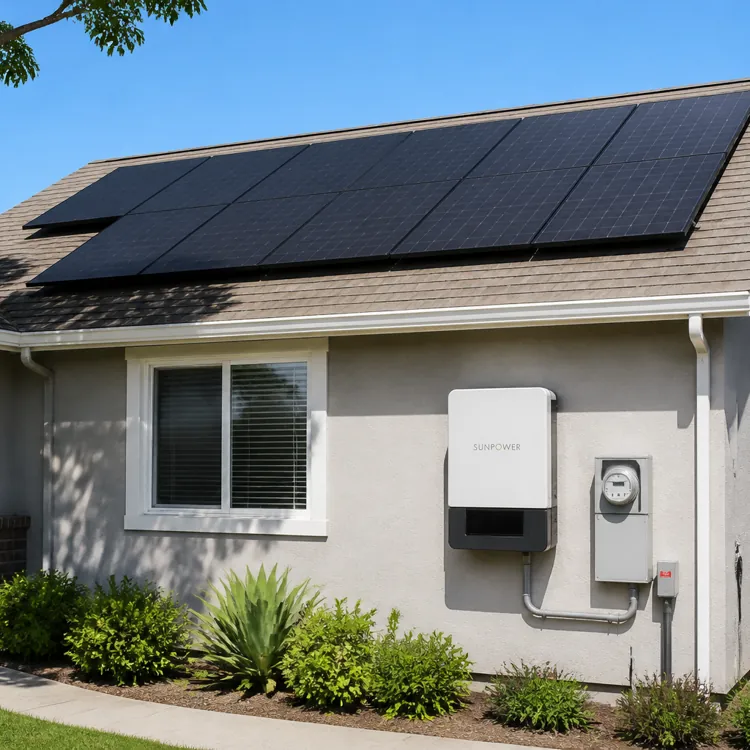
Aside from the panels themselves, you’ll need to purchase some other equipment, like an inverter that converts solar energy into usable electricity and monitoring software to track system performance. If you want to back up extra power, you may also need solar batteries.
An easy way to ensure you get everything you need is to purchase a solar kit instead of individual panels and equipment — or go with a solar company or professional installer. Our installation guide can help you get your solar energy system up and running.
Buying vs. leasing or financing
If you don’t want to pay the full cost upfront, many solar installers offer financing options that spread payments over time. Some homeowners also choose to lease solar panels or enter power purchase agreements (PPAs), which allow them to use solar energy without owning the system. However, leasing typically means you won’t qualify for certain tax incentives available to system owners.
» MORE: Best Residential Solar Panels
FAQ
Do I need a battery backup for my solar system?
No, a battery isn’t required for most solar systems. Many homes use grid-tied solar, which sends excess energy to the utility grid and pulls electricity back when the panels aren’t producing. However, adding a battery can be helpful if you want backup power during outages or the ability to store solar energy for use at night or on cloudy days.
How can you tell the quality of a solar panel?
You can gauge a solar panel’s quality by looking at factors like efficiency ratings, manufacturer warranties and product certifications. Panels made with monocrystalline cells are generally more efficient and durable than other types, and high-quality models typically come with performance warranties of 20 to 25 years.
Where can you buy solar panels in bulk?
Solar companies, online retailers, big-box stores and home improvement stores all allow you to purchase solar panels in bulk. Your local stores may need to place a special order, though.
How do I find local solar panel providers?
Start by comparing quotes from solar marketplaces or review sites that connect you with installers in your area. You can also search for local companies online, check customer reviews and verify credentials through your state licensing board. Getting at least three quotes can help you compare pricing, equipment and warranties.
Can you buy used or refurbished solar panels?
Yes, used or refurbished solar panels are sometimes available through online marketplaces or equipment resellers. They’re usually much cheaper than new panels, but they may come with limited or no warranty and lower efficiency. For most homeowners installing a full rooftop system, new panels are typically the safer long-term investment.
What are the common solar panel mounting options?
The most common option is roof-mounted solar, where panels are installed on racks attached to your roof. Ground-mounted systems place panels on a structure in your yard and can be easier to maintain. Smaller applications, like RVs or sheds, may use pole mounts or adjustable mounts that allow panels to tilt toward the sun.
Article sources
ConsumerAffairs writers primarily rely on government data, industry experts and original research from other reputable publications to inform their work. Specific sources for this article include:
- The Home Depot, “Solar Panel Installation.” Accessed March 13, 2026.
- U.S. Department of Energy, "Homeowner’s Guide to Solar." Accessed March 13, 2026.
- Bloomberg News, "Sunrun to End Solar Partnership With Costco." Accessed March 13, 2026.