
Is solar right for your home?
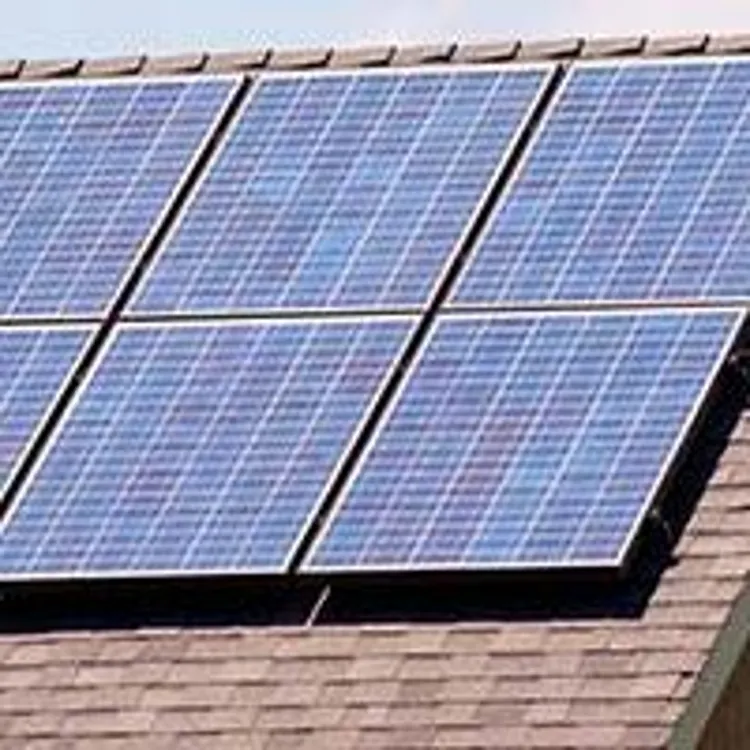
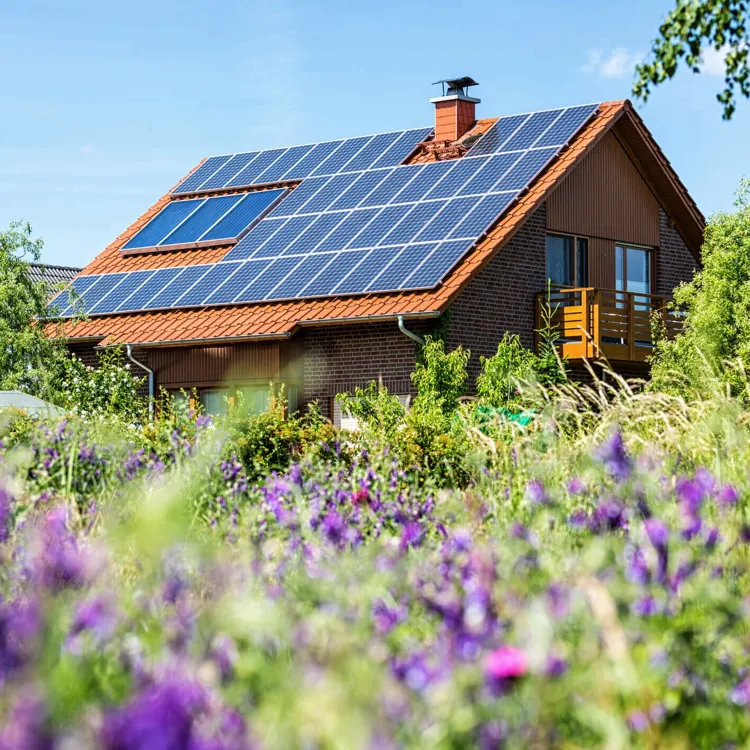
Before diving into the process of going solar, consider whether your home is a good candidate for a solar energy system. While a rooftop solar array can be an accessible option for many homeowners, you may need to investigate other solutions if any of the following apply to you.
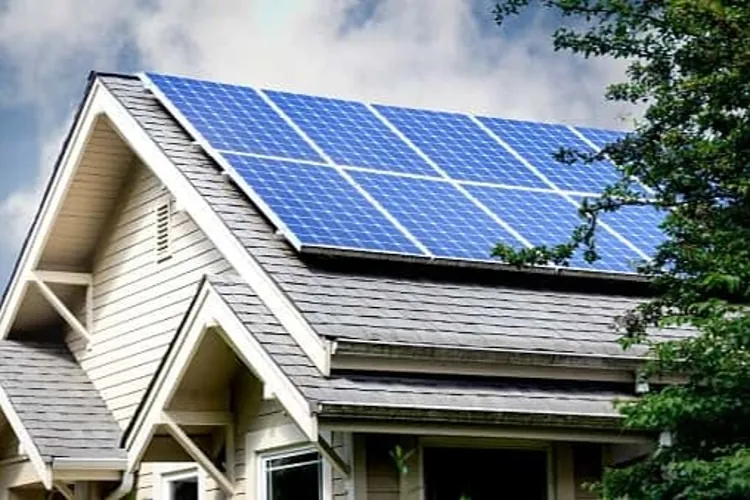
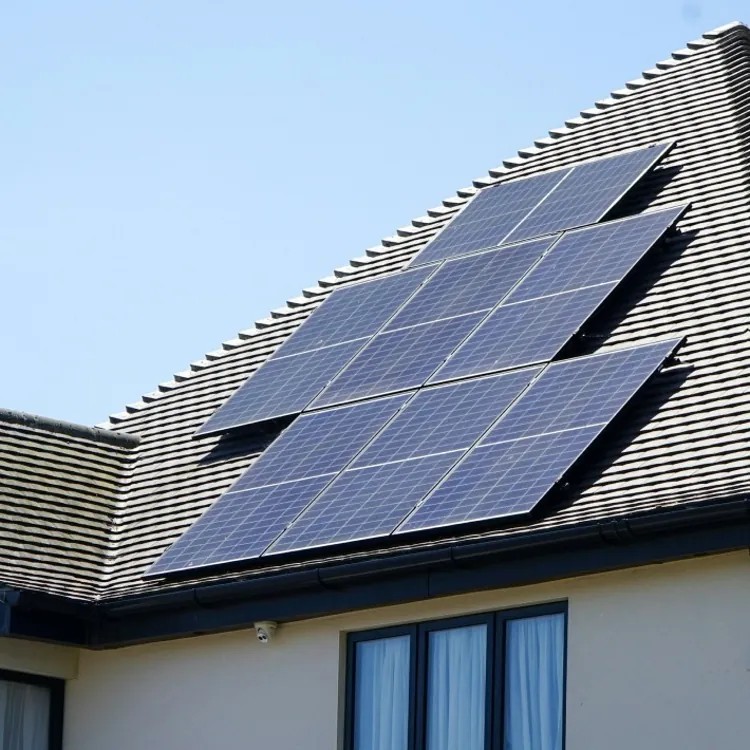
- Your roof receives a lot of shade or is fragile. A solar installation professional can help you determine if installing solar panels on your roof will suit your home and produce enough energy to benefit you. An alternative solar setup, such as a ground-mounted system or solar shed, may work for you if roof panels aren’t feasible.
- You have an HOA. Being part of an HOA doesn’t mean you can’t go solar, but you should research your HOA’s policies before signing a solar contract. Some states have solar access laws that prevent HOAs from restricting their members’ access to solar power, but others do not.
- You rent your home. Unfortunately, installing solar panels on your house is probably a no-go if you’re a renter. However, you may still be able to enroll in a community solar program in which you purchase solar energy through your utility provider or an independent community solar project.
How to go solar
The switch to solar can be achievable if you break it down into clear steps. If you’re planning to switch to green energy at home, follow this guide to ensure you know how to navigate this process.
1. Determine your energy needs
The first step of going solar involves determining your eligibility. If you don’t use an excessive amount of electricity at home — or if your energy bills are already low — there’s a chance going solar won’t benefit you financially.
This can also be the case if your house doesn’t get enough sunlight. Asim Hafeez, the president of Empower Energy Solutions, a solar company in Connecticut, emphasizes that this is something to take into consideration before switching to solar power.
However, rising energy costs in the U.S. mean most homeowners are eligible for electricity savings with a photovoltaic (PV) system. Solar companies ask for your annual electricity usage when you’re considering signing up to determine the size of your system and the number of panels necessary to cover your energy demand.
You’ll want to think about your electricity usage both now and in the future. If you’re planning to purchase an electric vehicle or electrify your home’s heating, for instance, you may want to talk to your installer about getting a system that would cover 100% or more of your current electricity usage.
» READ MORE: How many solar panels do I need?
2. Learn about solar incentives
The federal solar investment tax credit ended on December 31, 2025 under the One Big, Beautiful Bill Act. This program allowed homeowners to get a tax credit of up to 30% of their total installation costs on a solar energy or electricity storage system, reducing the total investment costs of a solar energy system dramatically.
While this credit is no longer available, you may still be able to lower the cost of your solar energy system if you live in a state with its own solar incentives, such as tax credits, tax exemptions, solar rebates or performance-based incentives.
3. Consider your financing options
How do you plan to pay for your solar panels? While paying in cash is the best way to minimize the total cost of going solar — you avoid paying interest this way — seeking out a solar financing agreement or leasing with favorable terms is more accessible for many homeowners.
There may be solar leasing or power purchase agreement options available in your area, but solar ownership is often the best financial option for homeowners hoping to reduce their electricity costs. If your installer ultimately has ownership of the system in a lease or PPA, you may be disqualified from solar incentives, if any are available in your area.
» READ MORE: Solar financing guide
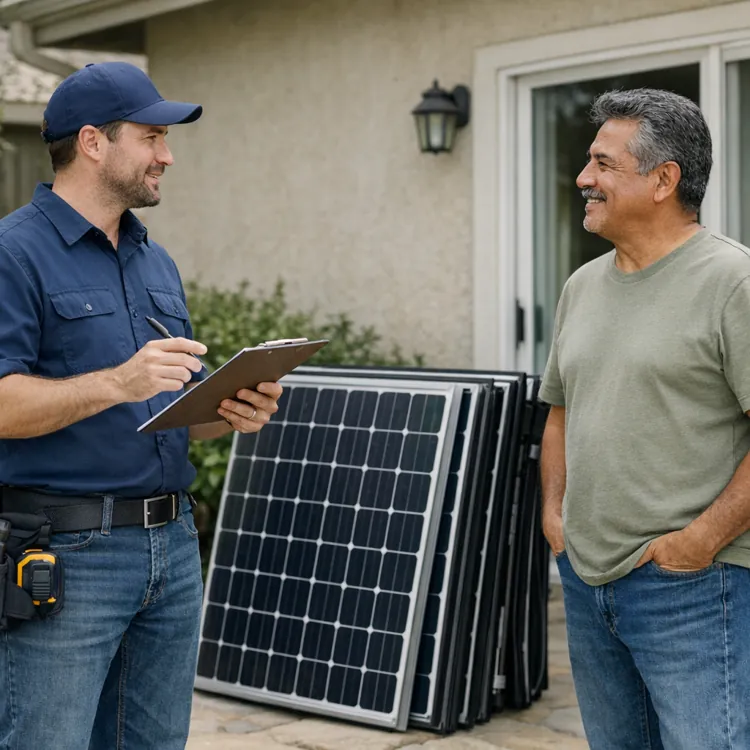
4. Get quotes from at least three companies
Before getting quotes, be aware of what the average cost to go solar is. A 6-kilowatt system ranges from $14,321 to $21,960 before any applicable solar incentives.
It’s crucial to shop around at multiple companies, including local, regional and national providers. As with any major home improvement project, one bid isn’t enough to get a full perspective on the expected costs and benefits of a solar energy system.
Note that going with the lowest bidder just to get a low price isn’t recommended. It’s smart to weigh your options by considering things like warranty periods, after-installation service and interest rates for financing.
» LEARN MORE: Tips for getting the best solar quotes
5. Pick out your panels and other equipment
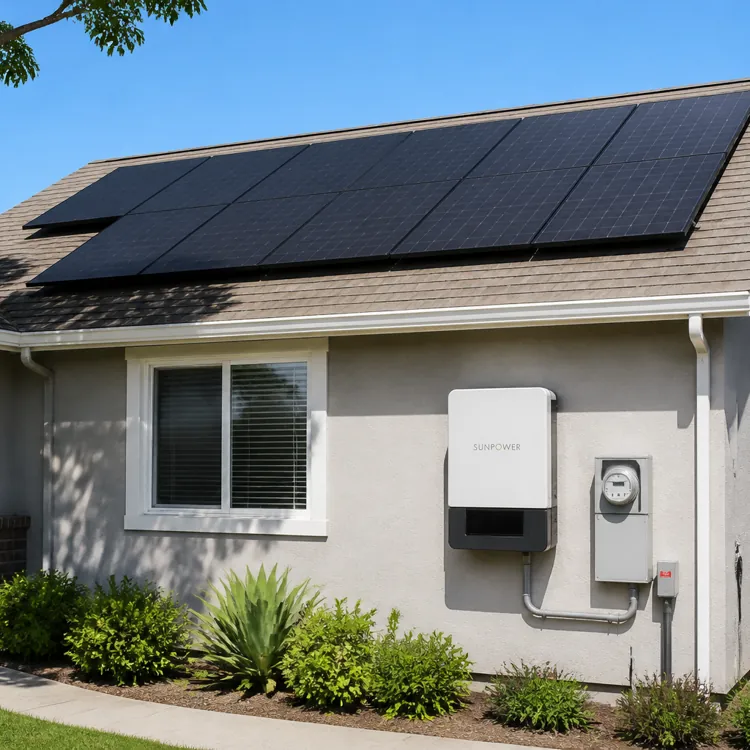
Once you’ve picked the solar company you want to work with, you can evaluate the details of your installation. Most installers prefer to supply their own equipment, which typically consists of name-brand solar panels, inverters and other system components.
When you’re designing your system, there are a few major factors to consider based on your energy needs. If you live in an area that experiences frequent grid blackouts or high-cost time-of-use utility billing, you might consider adding a battery backup to your system. Then you can pivot off-grid and consume more of your own solar electricity when grid power is unavailable or more expensive because of local demand.
6. Apply for permits and fill out utility paperwork
After your solar energy system has been designed, you’ll need permission to install it from local authorities. Permits are usually handled by the solar contractor and come from the local government. The city, county or state will evaluate your plans to make sure they adhere to local building and electrical codes.
In addition to building permits, you also have to submit paperwork to the local utility when connecting a new solar energy system to the electrical grid. Once these permits have been issued by the local government and utility, the installation process can begin.
7. Get your panels installed
Finally, your solar panels and other system components can be installed, typically over just one or two construction days. Once the system is ready to operate, the utility and local governments require a second round of approvals to ensure the installation was performed correctly and the panels can safely produce electricity.
FAQ
What do I need to know before switching to solar?
While solar panels are becoming increasingly popular, they have notable pros and cons to be aware of. Solar panels can reduce the cost of energy bills, reduce carbon footprint and allow for greater energy independence. They tend to have a long life with little maintenance required. On the other hand, solar panels have a high installation cost, can be inconvenient in cities or areas with limited space, can be weather-dependent and can’t move with you.
Do solar panels really save homeowners money?
In the long run, solar panels can save homeowners thousands of dollars, paying for themselves in total savings in around 11 to 12 years. However, the total amount homeowners save depends on how much electricity is typically used and what state a homeowner lives in.
Does solar increase home value?
Solar panels can increase a home’s sale price by around 4%, according to a 2019 Zillow study. They can be an enticing feature for potential homebuyers.
What is the average price of a solar panel?
Solar panel prices vary by state, but the national average of a 6-kilowatt system before factoring in the federal solar tax credit is between $14,321 and $21,960. You can also choose to lease solar panels.
Bottom line
Switching to solar energy can come with significant environmental and financial benefits — according to our 2024 study, 70% of American homeowners with solar panels saw an increase in home value following their renewable energy upgrade. Hafeez emphasizes the financial benefits of going solar. “One of the things I love saying is it allows people to keep more of their hard-earned money,” he said. “And allows customers to take those savings and spend it on retirement or a better lifestyle.”
It’s not for everyone, though, so make sure to consider your eligibility and your potential savings before getting deep into the process.
If you decide to go solar, get quotes from a few different companies, and weigh all your financing options. If your house isn’t a good fit for solar, all isn’t lost — there are still ways to save on the energy you use at home.
Article sources
ConsumerAffairs writers primarily rely on government data, industry experts and original research from other reputable publications to inform their work. Specific sources for this article include:
- U.S. Department of Energy, “Homeowner’s Guide to Solar.” Accessed March 17, 2026.
- IRS, “One, Big, Beautiful Bill Provisions.” Accessed March 17, 2026.