

Solar property tax exemption in Alaska
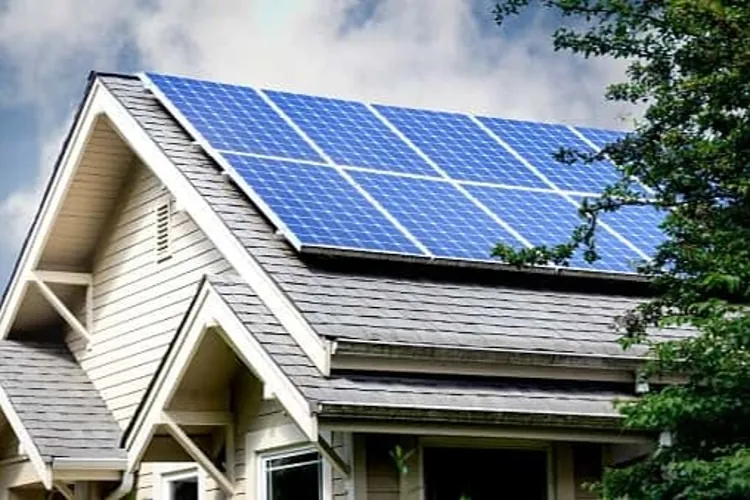
In some areas, homeowners can get a property tax exemption when they go solar. A solar property tax exemption means that — for tax purposes — the addition of a solar energy system won’t cause an increase in your property’s assessed value. Essentially, your property tax bill won’t go up because your solar panels increase the market value of your home.
The exemption amount is set by the local government, so how much of an exemption you get may vary depending on where you live in Alaska.
Additional solar incentives in Alaska
| Amount | Eligible equipment | Applicable sectors | Administrator | |
|---|---|---|---|---|
| Power Project Loan Fund | No maximum | Solar water heat, solar space heat, solar thermal electric, solar photovoltaics | Local government, municipal utilities, cooperative utilities | Alaska Energy Authority |
| Renewable Energy Grant | Varies | Solar water heat, solar photovoltaics, fuel cells using renewable fuels | Investor-owned utility, local government, municipal utilities, cooperative utilities, schools, state government, tribal government, retail supplier | Alaska Energy Authority |
What to know about net metering in Alaska
Net metering lets Alaska homeowners get credit for excess solar electricity they send to the grid. Under Alaska’s standard net metering rules, excess power is generally credited at the utility’s avoided-cost rate rather than the full retail electricity rate.
Alaska’s net metering basics
- System size: Eligible systems can be up to 25 kilowatts (kW).
- Credit rate: Excess electricity is typically credited based on what the utility saves by not generating or buying that power elsewhere.
- Program limits: Utilities can limit new net metering systems once participating capacity reaches 1.5% of the utility’s average retail demand, although utilities can allow more.
- Utility approval: You’ll need to meet your utility’s interconnection requirements before connecting your solar system to the grid.
Rates, program limits and requirements vary by utility, so check with your electricity provider before going solar. Some Railbelt customers may also qualify for additional compensation through a temporary state net metering incentive program.
If you live in a community with an HOA, review its rules before installing solar panels as well.
How much are solar panels in Alaska?
Solar panel costs in solar panel costs in Alaska typically range from $15,700 to $31,400.
Your system size greatly affects how much you pay overall. The typical system size for solar systems in Alaska is 5.1 kW kW (kilowatts). You might need a larger or smaller system, depending on your average household energy usage.
Solar panel cost by system size in Alaska
| 5 kW | 6 kW | 7 kW | 8 kW | 9 kW | 10 kW | |
|---|---|---|---|---|---|---|
| Statewide average | $15,700 | $18,840 | $21,980 | $25,120 | $28,260 | $31,400 |
How can I pay for solar panels?
You can pay cash, but most people finance solar panels with a solar loan. It works a lot like any other type of loan — there's an application and approval process, and you pay it back over time (with interest). You also have the option of leasing solar equipment.
Federal mortgage options for solar panels
Some federal mortgage programs let eligible borrowers include solar panels or other energy upgrades in a home purchase or refinance loan. Rules vary by lender.
- FHA Energy Efficient Mortgage: Finance cost-effective energy upgrades through an FHA-insured mortgage. A home energy assessment is required, and expected savings must cover the upgrade cost. Separate FHA rules apply to solar and wind systems.
- VA Energy Efficient Mortgage: Eligible VA borrowers can add up to $6,000 for approved energy upgrades. For costs over $3,000, projected monthly savings must exceed the added mortgage payment.
» SOLAR PANELS: Lease vs. buy
FAQ
Can I get free solar panels in Alaska?
There are no legitimate programs for totally free solar panels in Alaska that we are aware of.
» FREE SOLAR PANELS: Are they really free?
How much can I save with solar panels in Alaska?
On average, Alaska homeowners with solar panels avoid $29,737 in utility costs over 25 years. Even if you don't generate 100% of your energy needs, you can still save a lot of money versus paying traditional utility bills. In Alaska, solar panels usually pay for themselves within 12.6 years.
» COMPARE: Best solar companies in Alaska
How do I know if my house is a good candidate for solar?
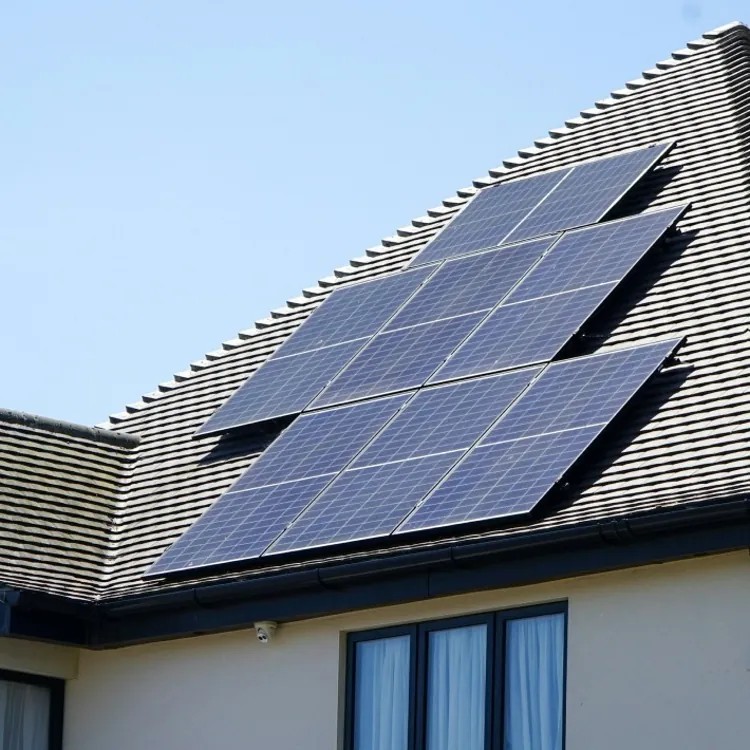
It’s best to have plenty of unshaded roof space that faces south or west for optimal sun exposure. It’s also smart to upgrade any old, inefficient appliances first. Reducing your electrical loads now means you can get a smaller system, which will be cheaper.
The condition of your roof matters too — if it needs replacement soon, do that before installing solar panels. Installing solar panels on an old roof might mean you have to remove the panels, replace your roof and then reinstall the panels again. This will cost around $5,000 for a 19-panel setup.
Solar photovoltaic (PV) technologies, more commonly known as solar panels, absorb sunlight and convert it into usable electricity. If you have a lot of shading around your house, they might not get enough sun to power your home.
Is my HOA allowed to restrict solar panels?
It’s possible your homeowners association may place restrictions on installing solar panels. There are no laws in Alaska that prevent HOAs from regulating solar installation.
What has Alaska’s investment in solar been so far?
Total solar investments in the state amount to $97 million, according to the Solar Energy Industries Association.
Bottom line
The ConsumerAffairs Research Team conducted an in-depth analysis to determine the average costs of going solar and incentives in other states. Turns out, it’s worth it for many homeowners, particularly for Alaskans.
Article sources
ConsumerAffairs writers primarily rely on government data, industry experts and original research from other reputable publications to inform their work. Specific sources for this article include:
- DSIRE, "Alaska Programs." Accessed July 28, 2026.
- Renewable Energy Alaska Project, "Net Metering." Accessed July 28, 2026.
- U.S. Department of Housing and Urban Development, "FHA’s Solar and Wind Technologies Program." Accessed July 28, 2026.
- Solar Energy Industries Association, "Alaska Solar." Accessed July 28, 2026.