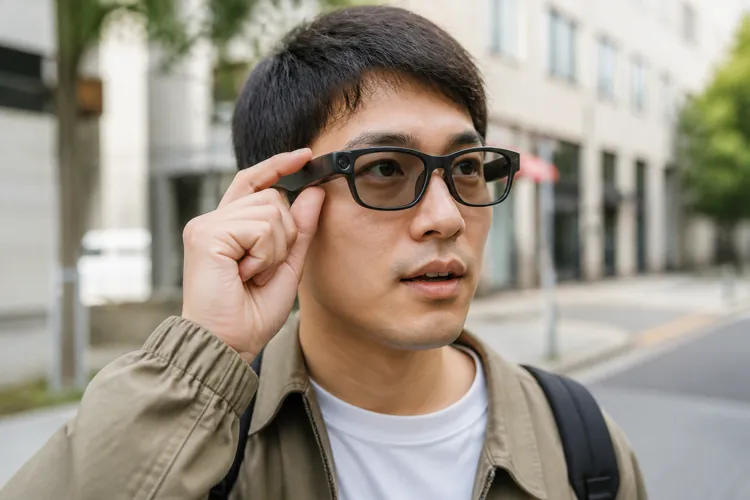

72% of Americans worry about being secretly recorded by camera-equipped wearables in public, according to a new Security.org survey.
Only 20% of adults are very confident they could recognize smart glasses with cameras, raising concerns as recording devices become harder to spot.
Consumers can take steps to protect their privacy, including keeping sensitive information out of view and pushing for clearer recording rules and visible indicators.
Camera-equipped wearables are becoming harder to spot — and that has some Americans worried about their privacy.
As reports suggest Apple could add cameras to future AirPods to support features like Visual Intelligence, concerns about where and when people can be recorded are moving beyond smart glasses and into everyday devices.
A new survey from Security.org of more than 1,000 Americans found that 72% are worried about being secretly recorded by camera-equipped wearables in public. Meanwhile, 85% support requiring smart glasses to display a visible indicator when they’re recording.
With wearable cameras becoming more common, ConsumerAffairs spoke with Security.org cybersecurity expert, Brett Cruz, who explained that consumers may need to think carefully about what these devices can capture — and whether the people around them even know they’re being recorded.
The risks of being recorded
One of the primary privacy risks here is that recording devices are becoming harder to spot.
“Camera-equipped smart glasses look nearly indistinguishable from regular glasses to bystanders, and our own survey data reflects that,” Cruz said. “Only 20% of adults say they’re very confident they could recognize smart glasses being worn in public.
“As cameras get built into more everyday accessories, that problem only becomes worse. You lose the visual cues (for example, someone holding up a phone) that used to signal you might be on camera.”
Another risk here is that consumers often can’t tell the difference between a device that’s capturing a quick contextual snapshot versus one that’s recording them continuously, and as Cruz points out, companies don’t always make that distinction obvious.
Regulations for smartglasses wearers
The survey found that nearly a quarter of people who own smartglasses don’t disclose when they’re recording. This leads to an important ethical question: Should there be some kind of regulation or etiquette established for those smartglasses wearers when they’re recording?
“Most owners in our research were using their glasses for pretty ordinary things, like snapping hands-free sports photos or a parent capturing a moment they’d otherwise miss,” Cruz said. “The problem is that disclosure just isn’t built into the habit of using these devices yet, and only 4% of owners say they always tell people nearby when they’re recording.
“As for regulations, I’d expect the near-term path to be place-to-place restrictions rather than one sweeping federal law. For example, Pennsylvania’s proposed bill would fold a visible recording-light requirement into its wiretapping law, and New York has already banned recording-capable eyewear from all of its courthouses. Sensitive venues like courthouses and medical offices are the logical next places to see bans or mandatory indicator requirements before we likely see anything resembling a national standard.”
Take control of the things you can control
In the absence of formal legislation covering smartglasses and recording, Cruz shared some advice for consumers who may be worried about being unknowingly recorded in public.
Know that consent isn’t required to film someone in public. Legally, you can’t stop someone from photographing or filming you on a public sidewalk, so the more effective move is limiting what’s visible.
Keep screens, documents, PINs, and passwords out of view. Smartglasses can capture that kind of information in plain sight without you noticing.
Reduce what’s exposed elsewhere. Shoulder-surfing through smartglasses is most dangerous when a stray recorded detail such as a name, partial phone number, etc. can be cross-referenced with information already public about you. I suggest using a service to shrink the pool of publicly-available information a bad actor could pair footage with. Data removal services, for instance, are on the rise.
Push for group-level change. Individual habits only go so far. The more durable fix is businesses posting no-recording policies, workplaces setting clear rules, and public pressure for the kind of indicator-light legislation already gaining traction.