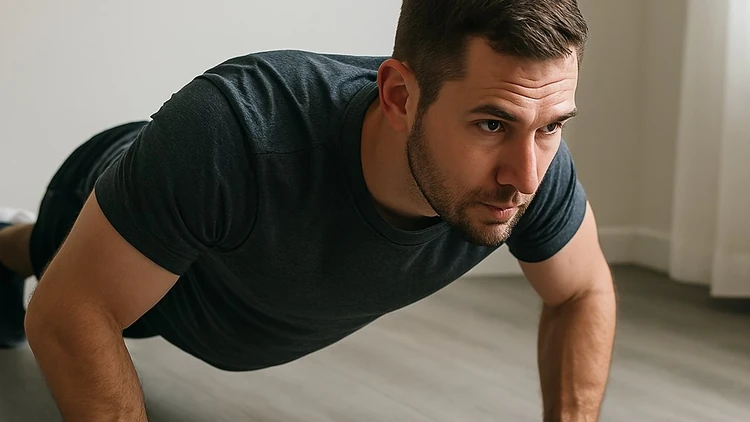


Researchers found that one in three men don’t workout regularly – despite reporting mental and physical health benefits.
Most men who skip workouts notice real effects: fatigue or low energy (47%), irritability (33%), or a hit to their mental well-being (37%).
Awareness is low about how issues like low libido (18%) or erectile problems (15%) may actually signal bigger health concerns like heart disease, diabetes, high blood pressure, or depression.
Think about how often you’ve heard someone say working out gives them more energy, a better mood, and yes—a confidence boost.
The Cleveland Clinic’s latest MENtion It survey confirms that many men do feel those benefits; however, nearly one in three still don’t exercise regularly.
“Men sometimes focus on their physical health, but mental and sexual health are just as important, and they’re all connected. When one area is off, it can affect the rest,” Petar Bajic, M.D., director of the Men’s Health Section at Cleveland Clinic’s Glickman Urological Institute, said in a news release.
“Health challenges rarely happen in isolation and understanding that connection is key.”
The study
A team of researchers from the Cleveland Clinic reached out online to a panel of 1,000 U.S. men ages 18 and up in early June 2025.
The data, gathered via YouGov and weighted to represent adult American men, was collected between June 3 and 5.
The results
First off, 30% of the men involved in the study didn’t work out regularly — despite a majority saying they notice real downsides of skipping workouts. Among those who do exercise, 47% felt fatigue or lower energy when they skipped sessions, 33% got more stressed or irritable, and 37% experienced a dip in mental well-being.
Sexual health shows a similar story. A solid 61% say their physical fitness affects their sex drive, yet nearly 18% reported low sexual desire in the past year.
The researchers explained that many men don’t realize these can be warning signs of something more serious. Specifically, 72% didn’t know these signs can point to heart disease, 74% didn’t know about links to diabetes, 65% were unaware of high blood pressure connections, and 59% hadn’t heard mental health could play a role.
Stress was also a critical factor in the survey. Over 85% of the men surveyed reported feeling stress, anxiety, or mental exhaustion in a regular week.
The researchers found that two factors that play into that are comparisons to others online and body image concerns.
On the positive, 66% said that they have or would seek out help from a mental health professional.
“When men are proactive about their health by exercising, getting regular screenings, exams, and prioritizing their mental health, it can help prevent many health problems and identify some when they are in early, curable stages,” said Dr. Bajic.