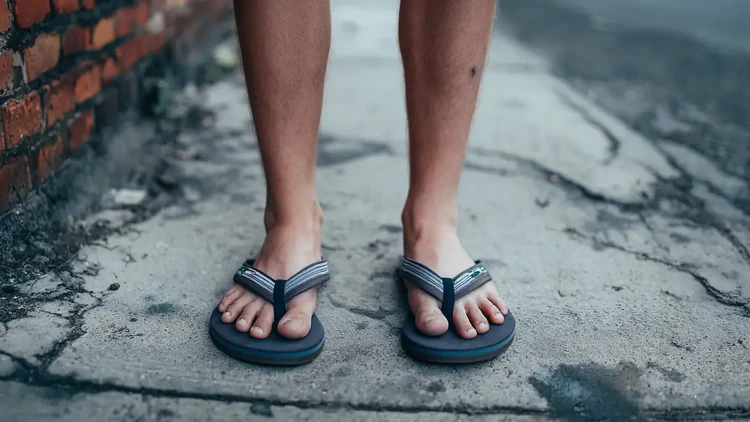

Flip flops offer little support, which can affect circulation and lead to leg and foot problems.
Signs of poor vein health include swelling, fatigue, and visible veins in the legs.
Supportive footwear, movement, and hydration are key to protecting your legs this summer.
Flip flops may be a go-to summer staple, but they could be doing more harm than good – especially when it comes to your circulation.
While they’re great for the beach or quick errands, wearing them too often can put serious strain on your feet and legs, leading to issues that go far beyond sore arches.
To learn about the hidden risks of flip flops, who’s most at risk, how to keep your legs healthy while still enjoying everything summer has to offer, and more, ConsumerAffairs spoke with Dr. Adria Ford, DO, from the Center for Vein Restoration.
“Your vein health is part of your overall wellness,” she said. “Ignoring early signs of circulation problems can lead to more serious complications down the road.
“Summer footwear choices may seem minor, but they play a big role in protecting the health of your legs.”
The biggest health risks
Dr. Ford broke down some of the biggest concerns for consumers who often reach for their favorite flip flops or sandals:
Poor circulation due to lack of calf muscle engagement
Pooling of blood in the legs, which can lead to varicose veins or worsen existing ones
Swelling, heaviness, and fatigue in the lower limbs
Foot problems like plantar fasciitis, heel spurs, and toe injuries from altered walking patterns
Increased risk of cuts, scrapes, or infections due to minimal foot protection
“Flip flops don’t provide the structure needed to activate the calf muscles,” Dr. Ford said. “And those muscles play a vital role in pumping blood back up toward the heart.”
Notice the signs
If you’re unsure how your footwear choice is affecting you, here are some of the signs to look out for:
Leg swelling or ankle puffiness
Visible varicose or spider veins
A feeling of heaviness or fatigue in the legs
Aching or throbbing sensations in the lower limbs
Foot or leg pain after wearing flat footwear
Skin discoloration, especially near the ankles
Slow-healing sores or ulcers on the legs
Moderation is key
According to Dr. Ford, consumers don’t have to throw out their flip flops. However, limiting wear time can be helpful.
“Supportive shoes aren’t just about comfort,” she said. “They’re about protecting your long-term vascular health.”
She recommends that consumers opt for shoes that have arch and heel support, firm soles that encourage natural walking patterns, and secure straps to keep shoes in place without toe gripping. These types of shoes are ideal not only for everyday use, but also for any kind of vigorous or sustained activity.
Stay healthy this summer
For those with a personal history of vein disease, a family history of vein disease, pregnant women, elderly people, those with a history of leg injury or blood clots, overweight or obese people, or those who spend a lot of time standing or sitting, poor footwear may increase your risk of vein issues.
However, there are ways to stay healthy this summer. Here’s Dr. Ford’s healthy summer checklist:
Wear supportive sandals or shoes for daily use
Stay active, and avoid standing or sitting too long without movement
Stay hydrated to promote healthy blood flow
Elevate your legs after long days to reduce swelling
Use compression socks if advised by your doctor
Check your legs regularly for signs of vein issues