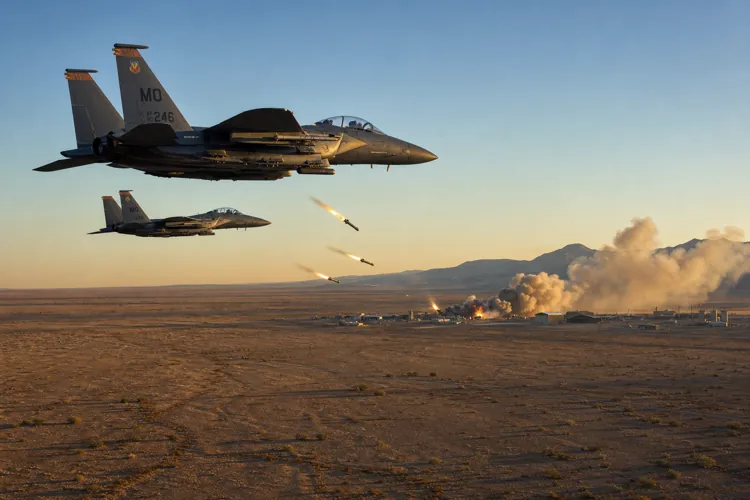

President Trump has declared the U.S.-Iran ceasefire "over" following new U.S. military strikes and renewed Iranian attacks on commercial shipping, sending oil prices sharply higher.
Brent crude climbed above $78 a barrel while U.S. benchmark crude approached $75, reflecting fears that fighting could once again disrupt oil flows through the Strait of Hormuz.
If hostilities continue, analysts say U.S. drivers are likely to see gasoline prices rise over the coming days and weeks, though the magnitude will depend on whether oil shipments through the Persian Gulf are significantly interrupted.
The brief respite in the conflict between the United States and Iran has come to an end, raising fresh concerns about energy supplies and setting the stage for higher gasoline prices for American drivers.
President Trump declared the ceasefire "over" after U.S. forces launched new strikes against Iranian targets in response to attacks on commercial vessels in the Strait of Hormuz. The United States also reinstated sanctions that had temporarily allowed limited Iranian oil exports, further tightening global supply concerns.
Financial markets reacted immediately. Brent crude, the international benchmark for oil prices, surged more than 6% to nearly $79 a barrel, while West Texas Intermediate crude climbed to around $75.
Stock markets in Europe and Asia fell as investors weighed the prospect of a prolonged conflict in one of the world's most important oil-producing regions.
The renewed fighting threatens to unravel weeks of gradual normalization in global energy markets.
The June ceasefire had allowed shipping to cautiously resume through the Strait of Hormuz, the narrow waterway connecting the Persian Gulf to global markets. Roughly one-fifth of the world's seaborne oil passes through the strait, making it one of the most strategically important energy chokepoints in the world.
Even during the ceasefire, analysts warned that the agreement remained fragile and that any renewed violence could quickly reverse declines in oil prices.
What it means for gasoline prices
For U.S. consumers, higher crude oil prices typically translate into higher gasoline prices, although not immediately. According to AAA, the national average price of regular gas today is $3.79 a gallon, 37 cents less than one month ago.
Crude oil accounts for roughly half of the price consumers pay at the pump. Retail gasoline prices usually begin responding within several days as wholesalers purchase more expensive fuel, with the full effect often taking one to three weeks to reach filling stations.
How much prices increase will largely depend on whether the conflict disrupts physical oil supplies.
If tanker traffic through the Strait of Hormuz continues despite the fighting, gasoline prices may rise only modestly. But if Iran attempts to restrict shipping or additional attacks force vessels to avoid the region, oil prices could climb much further, resulting in more substantial increases at U.S. gas stations.
Energy analysts have consistently warned that the oil market remains highly sensitive to developments in the Gulf because spare global production capacity is limited and inventories remain relatively low.
Uncertainty remains
Despite declaring the ceasefire finished, the Trump administration has indicated that diplomatic negotiations remain possible, leaving open the possibility that tensions could ease again if both sides return to talks.
Analysts say energy markets are pricing in a higher level of geopolitical risk, which could causes prices to continue rising. Unless hostilities quickly subside, consumers should expect more pressure on gasoline prices during the heart of the summer driving season as oil traders factor in the possibility of additional supply disruptions.