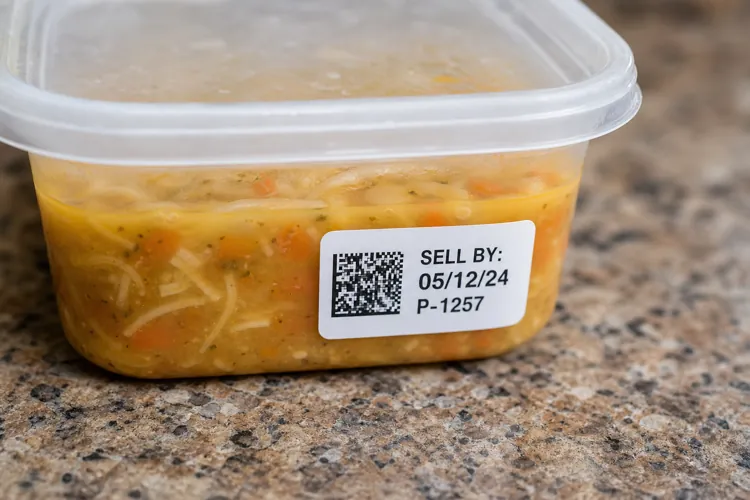

California has become the first state to ban "sell by" labels on most food packaging.
Manufacturers will now use standardized labels that distinguish food quality from food safety.
The change is designed to help consumers make better decisions and reduce unnecessary food waste.
If you've ever stood in front of your refrigerator wondering whether a carton of milk or package of yogurt has actually expired, you're not alone.
For years, shoppers have had to sort through a confusing mix of phrases like "sell by," "best by," and "use by," often without knowing what those dates really mean.
California is trying to change that.
As of July 1, the state has become the first in the nation to ban the use of "sell by" labels on food packaging sold to consumers. Supporters of the new law say the goal is straightforward: make date labels easier to understand so people throw away less perfectly good food.
“Using clear, consistent date labels will help reduce confusion about when food is safe to eat, cut down on unnecessary food waste, and make it easier for consumers to make informed decisions,” California state Assemblymember Jacqui Irwin (D), author of the new law, wrote in a post on X.
What the new labels will look like
Instead of multiple date phrases, California now requires manufacturers to use standardized wording that clearly separates food quality from food safety.
Products that are still safe to eat but may not be at their peak quality will carry labels such as "Best if Used By" or "Best if Frozen By." Foods that should not be consumed after a certain date for safety reasons will use "Use By" or "Use or Freeze By."
The law also eliminates consumer-facing "sell by" labels, which were originally intended to help retailers manage inventory rather than tell shoppers when food should be discarded. Supporters say that distinction wasn't always obvious, leading many people to throw away food simply because they assumed the date meant it had expired.
What this means for consumers
For shoppers, the biggest change is clarity. Instead of trying to interpret several different phrases, consumers will increasingly see labels that indicate either product quality or food safety.
The change won't make food last longer, but it may help people feel more confident about whether an item is still worth keeping or eating. Supporters of the law also say clearer labeling could reduce the amount of edible food that ends up in the trash, benefiting both household budgets and food donation efforts.
California's law is the first of its kind, but it's already drawing attention beyond the state. New York has approved similar legislation, and lawmakers in several other states are considering comparable measures, raising the possibility that standardized food date labels could become more common across the country.