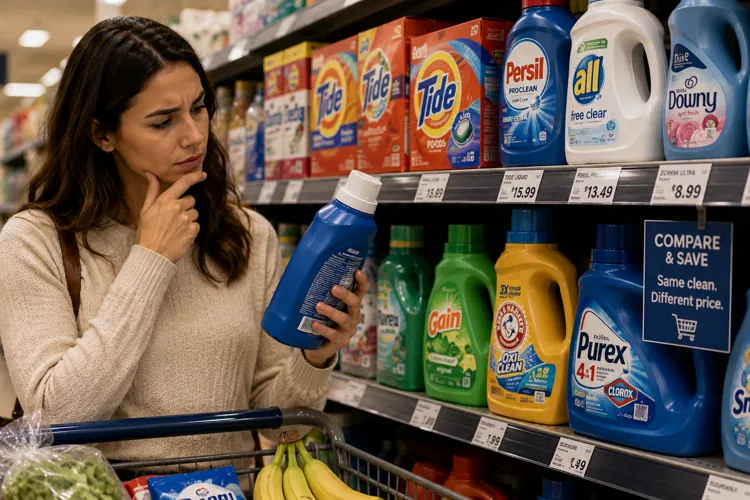

Shoppers often assume a higher price means better quality, even when the difference is mostly branding, familiarity, or marketing.
Decision fatigue and fear of buying the wrong product can push consumers toward premium brands because they feel like the safer choice.
Paying more can make sense when it delivers measurable benefits, such as better warranties, durability, support, or resale value.
Compare similar products in any store aisle, and you’re bound to notice that one product costs significantly more than the others. Many shoppers instinctively assume that the more expensive product must be the better choice.
Sometimes they're right. But often, they're falling for one of the oldest tricks in marketing and one that's helped create some of the world's most valuable brands.
According to a recent analysis from OnDeck, companies like Apple, Amazon, Nike, Coca-Cola, and Starbucks have built brands worth hundreds of billions of dollars. But their success isn't based on logos alone. They've spent decades earning consumer trust, creating emotional connections, and making their products feel like the "safe" choice.
Psychologists even have a name for it, price-quality bias, and it’s our tendency to believe that a higher-priced product must also be a better product.
That mental shortcut can sometimes lead to smart purchases. Other times, it quietly drains your wallet.
Here are five psychological reasons expensive brands often feel superior, and how to avoid paying more when you don't have to.
1. Your brain equates price with quality
If two nearly identical products sit side by side, many shoppers automatically assume the more expensive option is better. It's often seen as an easy mental shortcut.
Higher price suggests better ingredients, perhaps better craftsmanship, or longer durability, even when there's little evidence to support those assumptions.
Retailers absolutely know this. In some cases, premium pricing isn't just about making more money; it actually makes a product appear more desirable.
Products known for this tactic include bottled water, phone charging cables, olive oil, pain relievers, and even laundry detergent.
How to shop smarter: Before automatically choosing the most expensive option, compare objective details like ingredients, warranty length, materials, and independent reviews. If you can't identify any meaningful differences, the higher price may simply be a case of better marketing.
2. Familiar brands feel safer
It makes sense psychologically that buying something you've "heard of" feels less risky.
That's one reason companies spend billions on advertising every year. The more often you see a brand, the more familiar (and trustworthy) it becomes.
That doesn't necessarily mean it's the best product. Sometimes you're simply paying for years of advertising rather than better performance.
Five brands that immediately jump to mind include Nike, Apple, Kleenex, Coca-Cola, and YETI.
How to shop smarter: If you're trying a store brand or lesser-known product for the first time, start with one item instead of stocking up. Try a small experiment on your family by adding one new store branded item per grocery trip and test whether the cheaper option performs just as well or if your family even notices the difference at all.
3. Too many choices make us default to the premium option
Most shoppers would agree that standing in front of 40 different bottles of shampoo, or dozens of coffee makers, can be overwhelming.
Psychologists call this decision fatigue. When consumers become mentally tired from comparing options, they often simplify the decision by assuming the premium brand is the safest bet and throw it in their cart.
In the end, it feels much easier, and less time-consuming, than researching every single feature or option.
How to shop smarter: Narrow down your choices before you shop, especially on a significant purchase. Read the reviews at home and identify two or three products that fit your needs. Then when you get to the store, you'll be less likely to make an expensive impulse decision while standing in the aisle.
4. We worry more about making a bad purchase than overpaying
For many shoppers, paying an extra $20 feels less painful than buying the wrong product altogether.
That fear is powerful thing. Nobody wants to be forced to replace a disappointing purchase or feel like they wasted their hard-earned money.
Brands absolutely understand this phenomenon. This is why they constantly emphasize reliability, customer satisfaction, and decades of experience.
How to shop smarter: Check the return policy before buying. A generous return window lets you make your decision based on value instead of fear, knowing full well you can return the product if it doesn't meet your expectations.
5. Premium brands become part of our identity
Some purchases go beyond function and become part of your “look” or outward identity.
People don't always buy a particular athletic shoe, smartphone, or coffee because it's objectively better. Sometimes they buy it because it reflects how they see themselves. Or more importantly, how they'd like others to see them.
There's nothing inherently wrong with that. The problem comes when emotional attachment replaces any rational product comparison.
Some popular premium brands that jump to mind include Lululemon, Starbucks, Rolex, Apple, and Patagonia.
How to shop smarter: Before making a purchase, ask yourself one simple question: "Am I paying for better performance, or for how this brand makes me feel?" That answer can help determine whether the extra cost is worth it.
When paying more actually makes sense
None of what I’m talking about above means that you should always buy the cheapest product. Sometimes paying more delivers real value and is the smart way to go.
Higher-priced brands may offer:
Better warranties
Longer product life
Superior customer service
Better software support
Easier repairs
Stronger resale value
These advantages often matter for products like electronics, appliances, power tools, and luggage.
The key is making sure you're paying for measurable benefits and not simply assuming a higher price equals higher quality.
How to shop smarter: Think in terms of cost per year of ownership, not just the original purchase price. A product that lasts twice as long may end up being the better bargain by far.
The consumer takeaway
Powerful brands have earned their reputations by building trust over decades, but that trust can also influence how we judge price and quality.
Before assuming the most expensive option is the best one, slow down, compare the facts, and ask what you're really getting for the extra money.
Sometimes a premium product truly earns its price. Other times, the smartest purchase is the one that saves you money with little fanfare and without sacrificing any performance.