
Shopping is almost too convenient: A new survey found that 80% of Americans say making impulse purchases is easier than it was 15 years ago.
We're buying more stuff: More than half of respondents (52%) say they purchase more things today than they did in 2011.
Make spending a little harder: Removing saved credit cards, turning off shopping notifications, and avoiding free-shipping traps can help keep unnecessary purchases in check.
Shopping has never been easier. And that might be exactly the problem.
With a couple of taps on your phone, you can buy just about anything, anytime, without ever pulling out your wallet.
But all that convenience comes with the potential downside that it's become incredibly easy to spend money you never planned to spend.
A new survey from TopCashBack found that of the 2,000 U.S. adults asked, 80% believe it's easier to make impulse purchases today than it was in 2011. Meanwhile, 52% say they're buying more things than they did 15 years ago.
Perhaps the most interesting part of the survey is that Americans are also getting better at hunting down bargains when shopping online. Specifically, the survey found that 62% of shoppers compare prices more often, while 43% buy more store-brand or generic products.
In other words, we may be getting better at finding deals while simultaneously buying more stuff.
Here are five ways modern shopping conveniences can work against your budget and how to fight back.
1. One-click checkout makes spending almost effortless
Remember when buying something online meant getting your wallet, finding your credit card, and typing in all those numbers?
Now, thanks to saved payment information and one-click checkout, a purchase can take just a few seconds.
That's convenient when you're buying something you actually need. But it also removes the time you might otherwise spend reconsidering an impulse purchase.
Money-saving tip: Delete saved credit cards from your favorite shopping sites. Having to manually enter your payment information creates a small speed bump that might make you think twice.
Pro tip: Beware of those “personalized recommendations” that tend to pop-up when shopping online. Retailers use your browsing and purchase history to suggest products you're more likely to buy. Those "Recommended for you" and "Frequently bought together" sections can turn a single planned purchase into three if you’re not careful.
Instead, get in the habit of searching directly for the item you need rather than browsing the homepage. Once you've found the item, I always recommend going straight to checkout instead of scrolling through any recommended items.
2. Free shipping can convince you to spend more
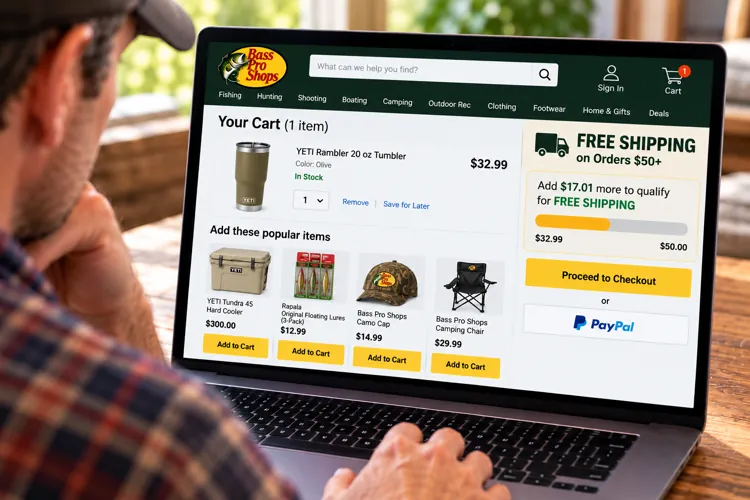
We've all been there. Your online cart totals $37, but you need to spend $50 to qualify for free shipping. So, many of us will inevitably start browsing for something else to throw in the cart.
The TopCashback survey found that 17% of respondents said adding items to reach a free-shipping minimum was the modern shopping habit they'd be most embarrassed to explain to their 2011 selves.
The problem? Spending another $13 to avoid a $6 shipping charge isn't saving you any money.
Money-saving tip: Do the math before adding anything to your cart. If the extra merchandise costs more than shipping, paying the delivery fee is usually the smarter move. Use a site like CheapFiller or 1DollarThings to find items you actually need to get you over the free shipping threshold.
3. Shopping apps keep tempting you with deals
Flash sales. Limited-time discounts. App-exclusive offers.
Retailers have plenty of ways to get your attention, even when you're not actively shopping.
And when a notification announces that something is 50% off, it's easy to focus on the potential savings instead of whether you actually need the item.
Money-saving tip: Turn off push notifications from shopping apps and unsubscribe from promotional text messages. If you're not actively looking to buy something, you probably don't need a retailer reminding you about its latest sale, as it just creates an urge to shop for something you don’t need.
4. A great discount can still be a bad purchase
Here's a question worth asking yourself: If something is 40% off, but you weren't planning to buy it, how much money did you really save?
The correct answer is nothing. You spent money you otherwise would have kept.
The survey found that 62% of Americans compare prices more often today than they did in 2011. Comparing prices is a very smart habit to start, but keep in mind that finding the lowest price doesn't automatically make something worth buying.
Money-saving tip: Before purchasing a sale item, ask yourself two questions:
Would I still want this if it weren't on sale?
Was I planning to buy something like this before I saw the discount?
If both answers are no, there's a good chance the sale is creating the desire to buy rather than helping you save.
5. Online shopping makes it easy to buy things you don't need
Nearly half (48%) of survey respondents say they're shopping online more than they did 15 years ago.
And with shopping apps available around the clock, there's no shortage of opportunities to browse. That can turn shopping into something you do when you're bored, watching television, or scrolling on your phone.
Money-saving tip: Stop using your shopping cart as a wishlist. Instead, keep a separate list of things you're interested in buying. Revisit it a few days later and see whether you still want them. You might be surprised how many items lose their appeal.
The bottom line
Modern shopping tools aren't necessarily bad. Comparing prices, finding discounts, and ordering essentials online can genuinely save time and money.
But there's a difference between making shopping easier and making spending smarter.
And sometimes, the best way to protect your budget is to make buying something just a little less convenient.