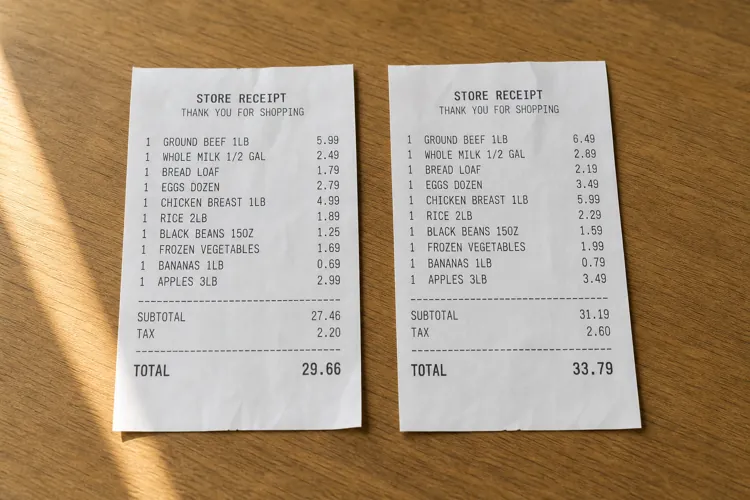

New Jersey lawmakers have approved the Fair Price Protection Act, making the state the second in the nation to ban surveillance pricing at grocery stores.
The bill would prohibit retailers and grocery delivery platforms from using consumers' personal data to charge different shoppers different prices for the same food items.
Supporters call the measure a consumer protection against AI-driven price discrimination, while critics warn it could complicate loyalty programs and personalized discounts.
New Jersey is on the verge of becoming the second state in the nation to outlaw "surveillance pricing," a controversial practice in which retailers use consumers' personal data to determine individualized prices for groceries.
The New Jersey Legislature last week approved the bipartisan Fair Price Protection Act, sending the measure to Gov. Mikie Sherrill, who is expected to sign it into law. If enacted, the law will take effect one year after signing.
The legislation would prohibit grocery stores and third-party grocery delivery platforms from using artificial intelligence, algorithms, or other technologies that rely on consumers' personal information to set different prices for identical food products. The ban also applies to pricing based on data gathered through electronic surveillance, including shopping histories, online activity, biometric information, genetic information, and certain protected characteristics.
‘Abuse of modern technology’
"Surveillance pricing is an abuse of modern technology where artificial intelligence sets different prices for different customers," said state Sen. Joe Cryan, one of the bill's sponsors. "Retailers hurt consumers at a time when families already struggle to pay their bills."
The legislation also imposes a one-year moratorium on the installation of new electronic shelf labels, or digital price tags, in grocery stores while the state studies whether the technology could facilitate rapid, individualized price changes. Stores that already use the labels would be allowed to continue using them.
Surveillance pricing has drawn growing scrutiny from lawmakers, privacy advocates, and consumer groups who argue that advances in AI and data analytics could allow retailers to charge shoppers based on what algorithms predict they are willing — or able — to pay rather than offering a single price to everyone.
Prices based on personal data
Unlike traditional dynamic pricing, which adjusts prices based on supply and demand, surveillance pricing relies on personal information such as browsing behavior, purchase history, location, or demographic data to tailor prices to individual consumers.
New Jersey follows Maryland, which earlier this year became the first state to prohibit surveillance pricing for grocery purchases. Several other states, including New York, are considering similar legislation, reflecting growing concern over AI-driven pricing practices.
Consumer advocates praised the New Jersey measure as an important safeguard against discriminatory pricing. Business groups, however, argue the legislation could have unintended consequences.
They contend that restrictions on using customer data may make it more difficult to offer targeted coupons, loyalty rewards, and other personalized discounts that many shoppers value. Lawmakers say the bill includes exemptions intended to preserve legitimate loyalty programs and broadly available discounts while prohibiting discriminatory pricing practices.