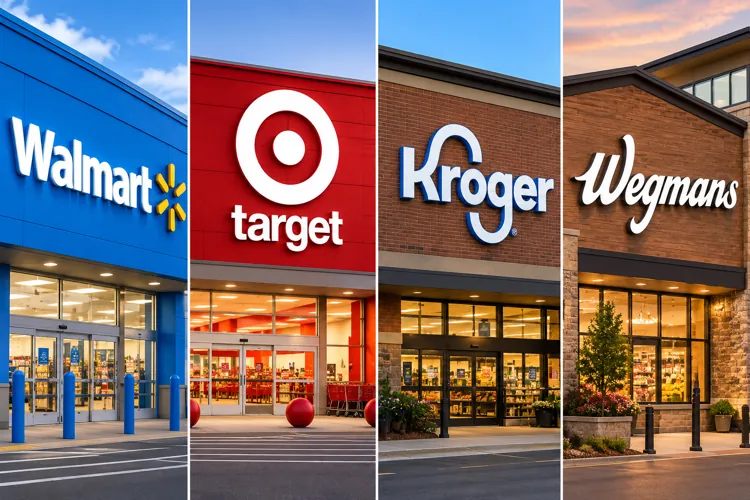

Major retailers are changing how they price groceries: Walmart, Target, Kroger, and Wegmans are using technology to adjust prices faster and more efficiently.
Dynamic pricing doesn't always mean higher prices: A 2026 analysis found that most tracked price changes at several major retailers were actually decreases.
Shoppers should keep an eye on prices: Compare prices online and in-store, check digital coupons, and review receipts to avoid overpaying.
Grocery shoppers are used to prices going up and down. But at Walmart, Target, Kroger, and other major retailers, technology is making those changes faster and easier than ever. And a recent report from Mashed highlights how some of the nation's biggest grocery chains are embracing these technologies.
But keep in mind, just because a store uses digital price tags doesn't mean it's necessarily raising prices when the aisles get crowded. Here's a closer look at what four top retailers are doing and what it could mean for your wallet.
1. Walmart: Thousands of price changes, but most were decreases
Walmart is one of the biggest users of automated pricing technology.
A 2026 analysis by pricing-data company Decodo tracked nearly 70,000 Walmart price changes during its study period. Interestingly, about 53% were price decreases.
Walmart is also rolling out electronic shelf labels that allow employees to update prices without replacing any paper tags.
But the retailer insists it isn't using the technology to charge shoppers more during busy hours or based on their personal information.
It’s smart to compare prices on Walmart.com before heading to the store, especially on higher-priced purchases. Don't assume every price change means an increase.
Pro tip: If you spot a really good price on the Walmart app for something you buy regularly, take a screenshot of it. Then you’ll have evidence if the price is higher in-store. Show the screenshot to customer service and ask if the item qualifies for their price match policy. There’s a good chance Walmart will match the lower price on the app.
2. Target: Prices can vary depending on where you're shopping
Target's pricing practices have attracted attention for years.
Decodo tracked more than 39,000 price changes at Target during its 2026 analysis, with more than half being decreases.
Target has also faced questions about location-based pricing. A 2019 investigation found that prices displayed in its app sometimes increased when shoppers entered a store. Target explained this phenomenon by saying their app prices can reflect local market conditions, and can change depending on the shopper’s location.
Shopping tip: Before checking out, compare the price in the Target app with the shelf price and the online price. If you notice a difference, ask an employee whether a price adjustment is available under Target's current 14-day policy.
3. Kroger: Digital shelf labels raise privacy questions
Kroger has been developing a digital shelf-label system called EDGE, short for Enhanced Display for Grocery Environment.
The technology can display product information and digital promotions. Its potential to connect with customer data has raised concerns among lawmakers about personalized pricing.
In 2024, two U.S. senators questioned whether Kroger could eventually use the technology to charge different shoppers different prices.
Kroger has denied using surge pricing, and there's no documented evidence that its EDGE system is charging individual customers higher prices based on their shopping habits.
Shopping tip: Compare shelf prices with your Kroger app coupons and check that digital discounts actually appear on your receipt.
4. Wegmans: Thousands of online price changes
Wegmans may not be the first retailer you think of when it comes to dynamic pricing, but it's using technology to adjust prices online.
According to Decodo's 2026 analysis, Wegmans made nearly 13,000 price changes across its digital platforms during the study period. And like Walmart and Target, most of those changes were price decreases.
Unlike some competitors, Wegmans still primarily uses traditional paper shelf tags in stores, making rapid in-aisle price changes less practical.
Shopping tip: Check Wegmans' website or app before making your grocery list. Prices can change, so something that wasn't a bargain last week might be worth buying now.
5. Instacart: Different shoppers have seen different prices
Instacart isn't technically a grocery chain, but it works with major supermarkets and has faced some of the biggest questions about dynamic pricing.
A 2025 Consumer Reports investigation found that prices for identical groceries at participating retailers could vary by as much as 23% during pricing experiments.
That meant two shoppers could potentially pay different amounts for the same groceries.
But there's an important update: In December 2025, Instacart announced it was ending its AI-based dynamic pricing experiments. The company now says it won't use customers' personal information or real-time demand to set item prices.
Shopping tip: Before placing an Instacart order, try this. Compare the total cost with what it would cost to order directly from the grocery store. Pay attention to item markups, delivery fees, and any service charges. Sure, it takes a few minutes, but it’s worth it. These markups and fees can make your final bill WAY higher, even without dynamic pricing.
The bottom line
Dynamic pricing doesn't necessarily mean you’ll see higher grocery bills anytime soon. In fact, the 2026 pricing analysis found that most tracked price changes were actually decreases.
Still, with retailers increasingly using technology to adjust their prices, it pays to compare prices before shopping and check your receipt afterward.
And remember, there's an important difference between stores regularly adjusting prices and charging shoppers more simply because they're shopping during a busy time. There's little evidence that major U.S. grocery chains are currently engaging in widespread surge pricing.