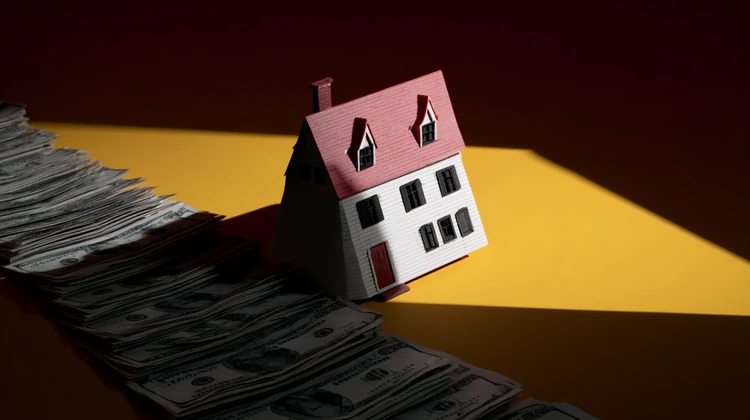

• Trump suggests 50-year mortgage as a fix for the housing crisis
• Economists warn longer loans could inflate prices even more
• Borrowers would pay far more interest over time
Trump floats longer mortgage terms
Former President Donald Trump has proposed a 50-year mortgage as a possible solution to the nation’s housing affordability crisis. Speaking recently about ways to ease the financial strain on homebuyers, Trump said extending the standard mortgage term from 30 to 50 years could make monthly payments more affordable and “unlock” a market frozen by high interest rates and soaring home prices.
Under his idea, borrowers would have two additional decades to repay their loans, potentially reducing monthly payments. However, economists caution that such a change could have major unintended consequences.
Economists see risk of higher prices
Housing experts were quick to point out that longer loan terms would also mean slower equity growth and much higher lifetime interest costs.
“A 50-year mortgage results in almost double the interest payments of a 30-year mortgage,” said Joel Berner of Realtor.com, in comments to CBS News. “It also delays the path to meaningful home equity.”
Daryl Fairweather, chief economist at Redfin, told Business Insider that the plan could undermine homeownership’s traditional role in wealth building.
“If the goal is to get people access to homeownership as a way to accumulate wealth, the 50-year mortgage could actually defeat that purpose,” Fairweather said.
Slower equity and more debt
Analysts warn that spreading loan payments over 50 years would make it harder for homeowners to build equity and could push housing prices even higher. Easier credit terms tend to increase demand without adding to supply, driving up prices across the market.
They also note that while a longer term might lower monthly payments by a few hundred dollars on a typical $600,000 home, the total interest paid over five decades would be dramatically higher. Property taxes, insurance, and maintenance would continue to rise with inflation, potentially offsetting any short-term relief.
Underlying problem: lack of supply
Most economists agree that the root of the housing crisis lies in too few homes being built. They argue that expanding supply through new construction, zoning reforms, and faster permitting would have a more lasting impact than extending loan terms.
As one analyst put it, increasing access to credit without addressing supply “could be like pouring gasoline on a fire” — fueling demand and pushing home prices even further out of reach for first-time buyers.