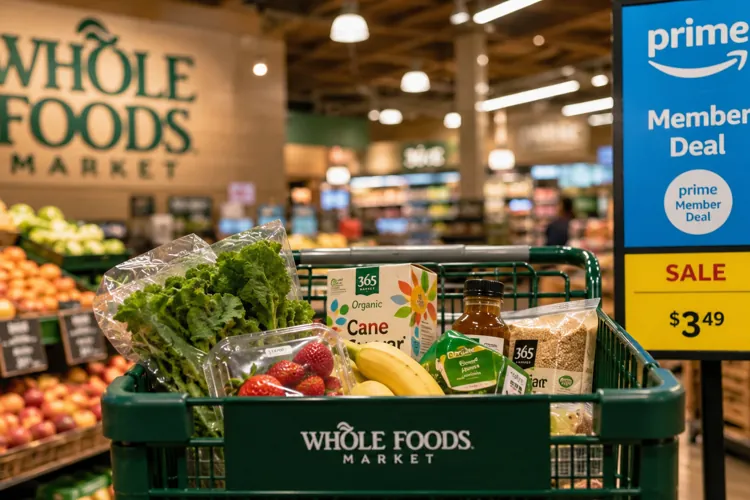

Use Prime: Link your Amazon Prime account to unlock exclusive discounts and combine them with affordable 365 store-brand products.
Shop Tuesday & Friday: Tuesdays feature deals on easy weeknight meals, while Fridays often bring discounts on pizza, sushi, seafood, and other weekend favorites.
Shop smart: Compare produce prices, buy frozen and sale items, and stick to a list to avoid overspending.
For years, Whole Foods carried the nickname "Whole Paycheck," and for good reason. Organic produce, premium meats, and specialty foods often came with premium prices.
But today's Whole Foods is a different store than it was a decade ago.
Since Amazon acquired the chain in 2017, the retailer has introduced Prime member discounts, expanded its affordable 365 private-label line, and lowered prices on hundreds of everyday items. Shoppers who know where to look can often find surprisingly good deals, especially on pantry staples, frozen foods, produce, and prepared meals.
The key is shopping strategically. Here are eight insider tips that can help you save money every time you visit Whole Foods.
1. Never shop without linking your Amazon Prime account
If you only follow one tip on this list, make it this one.
Amazon Prime members unlock some of the biggest discounts available at Whole Foods, including exclusive weekly deals and additional savings on many sale items. Those discounts can add up quickly over the course of a year.
To receive them, simply connect your Prime account to Whole Foods through the Amazon app and scan your Prime code or phone number at checkout.
Even if you only shop at Whole Foods occasionally, the discounts can easily outweigh the few extra seconds it takes to scan your account.
2. Learn what the different price signs actually mean
Whole Foods uses several different shelf tags, and understanding them can instantly help you spot the best values.
Look for the following signs in-store:
Blue Prime Member Deal signs for exclusive discounts available only to Prime members.
Yellow Sale signs for temporary promotions available to everyone.
Yellow Low Price signs for products with reduced everyday pricing.
365 by Whole Foods Market products, which are the retailer's private-label brand.
Once you recognize the difference, it becomes much easier to prioritize the best bargains throughout the store.
3. Shop around Tuesday and Friday promotions
If you're a Prime member, Tuesday and Friday are the two best days of the week to shop at Whole Foods because the chain runs recurring one-day promotions that focus on different types of meals.
Rather than random sales, the discounts are designed around when most people are planning their meals.
Tuesday is built around easy weeknight dinners. That's when you'll often find deals on rotisserie chicken, prepared soups, ready-to-heat meals, ground beef, salad kits, and bakery bread. Serves as an ideal day to buy ingredients for meals later in the week or stock your freezer with discounted prepared foods.
Friday shifts to weekend entertaining and more of your convenience foods. Expect promotions on fresh pizza, sushi, oysters, cut fruit, desserts, and other grab-and-go items that are popular for Friday night dinners, family gatherings, or weekend get-togethers.
The exact offers vary by store and season, so check your local weekly ad or the Whole Foods app before heading out.
Pro tip: Freeze more than you think. Bread, tortillas, shredded cheese, cooked grains, soups, and many prepared meals freeze exceptionally well. Buying discounted products before their sell-by date and freezing them can stretch your grocery budget while reducing food waste.
4. Don't overlook the prepared foods
Whole Foods' hot bar can get expensive if you're paying by the pound.
Instead, compare prices on the refrigerated prepared meals, family-size entrées, soups, and rotisserie chickens. Many provide multiple servings for less than the cost of takeout and are often included in weekly promotions.
For busy families, these meals can be a convenient compromise between cooking from scratch and ordering restaurant food.
5. Compare produce prices instead of assuming they're higher
Many shoppers skip the produce department because they assume Whole Foods is always more expensive.
That's not necessarily true.
Items like bananas, avocados, organic spinach, apples, eggs, and milk are often competitively priced — especially when Prime discounts are available.
Instead of relying on old assumptions, compare the unit price with your regular grocery store. You may be surprised by how often Whole Foods is the better buy.
Pro tip: Shop Whole Foods like a specialty store. You don't need to buy your entire grocery list there. Many experienced shoppers visit Whole Foods specifically for products where it offers exceptional value (365 pantry staples, organic produce, Prime promotions, specialty cheeses, and prepared meals), then purchase everything else at a lower-cost supermarket.
6. Buy more 365 products
The 365 brand may be the best-kept money-saving secret at Whole Foods.
The store's private-label products often cost significantly less than comparable national brands while still meeting Whole Foods' ingredient standards. In many cases, the ingredients are remarkably similar.
Some of the best values include:
Frozen fruit
Frozen vegetables
Pasta
Olive oil
Peanut butter
Canned beans
Rice
Oats
Yogurt
Cheese
Organic snacks
Many shoppers automatically reach for familiar brands, but choosing the 365 version can trim several dollars off a shopping trip without sacrificing quality.
7. Shop with a list — and stick to it
Whole Foods excels at merchandising. Beautiful displays, seasonal products, and specialty foods can quickly turn a quick shopping trip into an expensive one.
Walking in with a shopping list (and resisting impulse purchases) is one of the simplest ways to keep your grocery budget under control. Treat the specialty items as occasional splurges rather than routine purchases.
8. Check the freezer aisle
Frozen foods are often one of the best values at Whole Foods.
Frozen fruit, vegetables, seafood, and vegetables are picked and frozen at peak freshness, helping reduce food waste while often costing less than fresh alternatives.
Keeping a few frozen staples on hand also makes it easier to prepare meals at home instead of ordering takeout.
Pro tip: Stock up when your favorites go on sale. If you find a pantry staple, frozen food, coffee, or household product at a significant discount, buy enough to last until the next sale. Building a small pantry of frequently used items purchased only during promotions is one of the easiest ways to reduce your grocery spending over the course of the year.