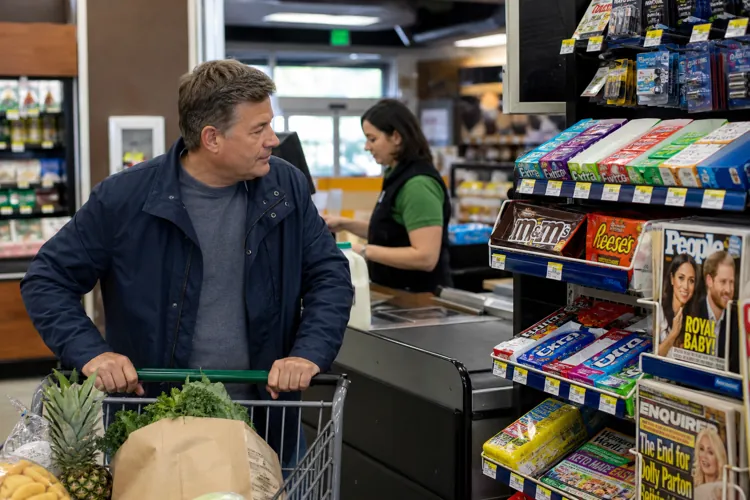

Merchants use checkout displays, limited-time offers, and free-shipping thresholds to encourage purchases shoppers hadn’t planned.
Faster online checkout can increase spending, while misleading countdown timers can pressure consumers to act before comparing prices.
Shopping lists, spending limits, and a waiting period for nonessential purchases can help consumers keep more money in their budgets.
A shopper enters a store for a few necessities and leaves with a cart full of extras. Another goes online to replace one household item and adds several more to qualify for free shipping.
For consumers trying to build savings or stretch a paycheck, those small, unplanned purchases can undermine an otherwise carefully managed budget.
Retail promotions often encourage shoppers to focus on what they might save, rather than what they are about to spend. Recognizing that shift can help consumers take control of the decision.
First, there’s temptation at the checkout. Candy, snacks, and inexpensive accessories put a buying opportunity directly in front of customers waiting to pay. A study involving observations of more than 2,800 grocery shoppers examined how time exposed to tempting checkout merchandise affected purchases.
A simple strategy
Consumers can make a final cart check before paying. Which items were on the list, and which arrived there simply because they were within reach?
They’re called impulse buys because there is pressure to act quickly. Flash sales, countdown clocks, and limited-stock messages can make delaying a purchase feel like losing an opportunity.
Some deadlines are legitimate. But the Federal Trade Commission’s (FTC's) 2022 report on deceptive website designs identified countdown timers that suggest an offer is expiring when it is not actually time-limited. The agency calls such manipulative designs “dark patterns.”
Take a breath
A useful response is to step away and compare the total price elsewhere. Even a real deadline does not make an unnecessary purchase affordable.
Spending more to get something “free” is not always a good strategy. Free-shipping thresholds give shoppers an incentive to add merchandise. Research on online retailing specifically examines this behavior, known as order padding — adding items to qualify for free delivery.
Do the arithmetic before adding anything. If shipping costs $7, buying an unwanted $20 item to avoid that charge increases spending by $13, before any tax differences. Combining purchases already planned may make sense; inventing a new purchase may not.
Making payment almost effortless is another retail strategy. Saved cards and one-click ordering remove steps between wanting a product and buying it.
A Cornell-reported study published in 2023 examined 977 customers who adopted one-click checkout at a large Asian retailer. Their spending at that retailer increased an average of 28.5% from previous levels. The finding does not mean every shopper will spend that much more, or that all additional purchases were impulsive, but it illustrates how convenience can affect purchasing behavior.
What to do
Turning off one-click purchasing or removing saved payment information creates an extra opportunity to reconsider.
A discount is always a reason to buy. Coupons, bundles, and rewards can offer value on planned purchases. They can also encourage shoppers to buy more than they need.
Ask a simple question: Would I want this item if there were no sale? Compare unit prices, and consider whether the extra quantity will actually be used.
Consumers can also adopt a 24-hour waiting rule for nonessential purchases, unsubscribe from promotional messages and set a small allowance for spontaneous spending. These are practical ways to reduce exposure and create time to think.
The FTC recommends making a shopping list and budget, comparing prices, and tracking purchases.
Before checking out, ask what the purchase would displace: money for groceries, a bill payment, or a contribution to savings? That makes the cost more concrete than a sale tag does.