
• The Federal Trade Commission accuses Maryland-based Key Investment Group of using unlawful tactics to buy up hundreds of thousands of tickets for major events — including Taylor Swift’s Eras Tour — and resell them at steep markups.
• The operation allegedly bypassed Ticketmaster security with fake accounts, spoofed IP addresses, and SIM boxes to scoop up tickets far beyond posted limits.
• Regulators say the brokers generated millions in revenue from inflated resale prices, violating federal law and harming consumers.
The Federal Trade Commission has filed a lawsuit against Key Investment Group and several affiliated companies, accusing the Maryland-based ticket brokers of using deceptive tactics to grab massive numbers of tickets for popular concerts and events, then reselling them at inflated prices.
“Unscrupulous middlemen who harm fans and jack up prices through anticompetitive methods will hear from us,” said FTC Chairman Andrew N. Ferguson, citing a March executive order from President Trump directing tougher enforcement against ticket scalping. “Today’s action puts brokers on notice that the Trump-Vance FTC will police operations that unlawfully circumvent ticket sellers’ purchase limits.”
How the scheme worked
According to the FTC’s complaint, the brokers — operating under names like Epic Seats, TotalTickets.com, and Totally Tix — used a range of tactics to bypass Ticketmaster’s safeguards:
Creating and using thousands of Ticketmaster accounts, many fictitious or purchased from third parties.
Deploying thousands of virtual and traditional credit card numbers.
Masking their identities through proxy or spoofed IP addresses.
Using SIM boxes to receive verification codes for fake accounts.
These methods allowed the group to buy nearly 380,000 tickets in just over a year, spending about $57 million and reselling many for a total of $64 million, pocketing the difference.
Taylor Swift tickets front and center
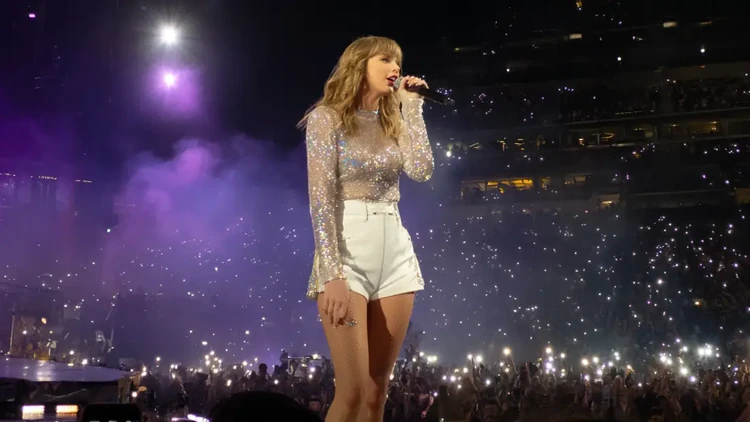
One striking example cited in the lawsuit involves a 2023 Taylor Swift Eras Tour concert, where the defendants allegedly used 49 different accounts to buy 273 tickets — blowing past the posted six-ticket-per-customer limit. The tickets were then resold at a significant markup.
Here’s a consumer tip box you can run alongside the FTC ticket story, in the same style as the VPN piece:
🎟️ Consumer Tip Sheet: Protecting Yourself From Overpriced Resale Tickets
Know Your Rights
The BOTS Act: Makes it illegal for brokers to use bots or other tricks to bypass ticket limits. The FTC can bring enforcement actions against violators.
State laws: Some states cap resale markups or require disclosure when tickets come from resellers.
Smart Buying Tips
✅ Buy early, from official sources: Stick to Ticketmaster, Live Nation, AXS, or the venue’s box office for face-value tickets.
✅ Use presales and verified fan programs: Sign up for artist or promoter presales to increase your chances.
✅ Check authorized resale platforms: Some venues and artists run official resale exchanges where prices are more tightly controlled.
✅ Be wary of “too good to be true” offers: Fraudsters often target fans of high-demand tours. Stick to known platforms.
✅ Set a budget: Scalpers count on emotional overspending. Decide your max price before searching.
Red Flags for Fake or Shady Sellers
🚩 Sellers refusing secure payment methods (like credit cards or PayPal).
🚩 Tickets sold via screenshots, PDFs, or vague promises to “deliver later.”
🚩 Websites with no clear company information, poor spelling, or suspicious URLs.
💡 Pro tip: If you do end up buying from a secondary marketplace, use a credit card. You’ll have more protection — including the ability to dispute fraudulent charges.