


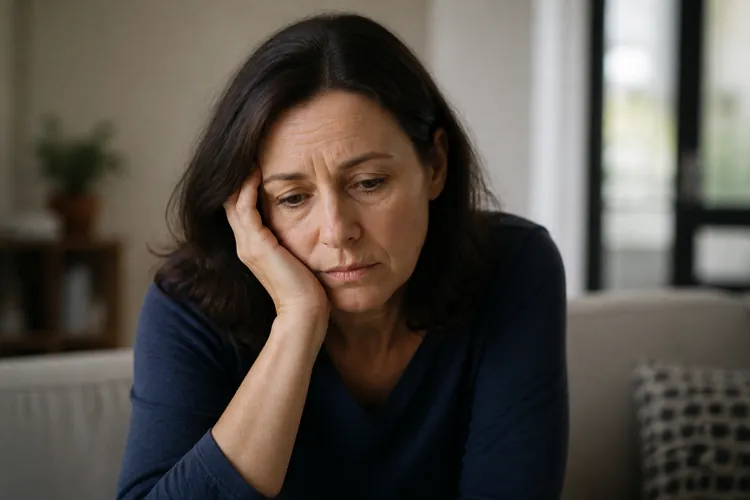

Women experiencing the menopausal transition at age 46 reported higher rates of anxiety and depressive symptoms.
Researchers analyzed health information from more than 2,600 women in Finland, comparing those who had entered the menopausal transition with those who had not.
The findings highlight why mental health should be part of conversations about menopause, particularly for women experiencing it earlier than usual.
Menopause can bring plenty of physical changes, including hot flashes, night sweats, and sleep disruptions. But the transition can also come with emotional challenges, and new research suggests women who experience menopause earlier may be more likely to report symptoms of anxiety and depression.
A study from the University of Oulu in Finland found that women who had already entered the menopausal transition by age 46 reported more symptoms of anxiety and depression than women of the same age who had not yet reached that stage.
In Finland, the average age of menopause is around 51. Researchers wanted to better understand whether women experiencing the transition several years earlier might also face differences in their mental health.
How researchers conducted the study
The study, published in Acta Obstetricia et Gynecologica Scandinavica, examined health information from 2,632 women participating in the Northern Finland Birth Cohort 1966.
All participants were 46 years old when their information was collected. Researchers separated them into two groups based on their menopausal status. About 13% had already entered the menopausal transition, while the remaining women had not.
To determine where participants were in the transition, researchers considered hormone measurements, menstrual cycle information, and records of hormone therapy use. They also used two established questionnaires to assess symptoms of anxiety and depression.
The researchers reviewed prescription medication records, too, to see whether women had purchased antidepressants or anxiety medications between ages 40 and 57. They also accounted for factors such as smoking, alcohol consumption, body mass index, and education when examining the results.
What the findings mean for women
The results showed a noticeable difference between the two groups. About 23% of women who had entered the menopausal transition reported clinically significant anxiety symptoms, compared with 16% of women who had not.
The difference was also apparent when researchers looked at depressive symptoms. Just over 30% of women in the menopausal group reported symptoms, compared with about 25% of the comparison group. These associations remained after researchers accounted for several background factors.
However, the study did not establish that early menopause directly causes anxiety or depression. Instead, it identified an association between entering the menopausal transition earlier and reporting more psychological symptoms.
For consumers, the findings are a reminder that menopause conversations shouldn't focus exclusively on physical symptoms. Women experiencing changes earlier than expected may also want to pay attention to shifts in their emotional well-being.
“Recognizing psychological symptoms can help ensure that women receive timely treatment and support during menopause,” researcher Tiia Saarinen, a medical doctor and doctoral researcher at the University of Oulu, said in a news release.