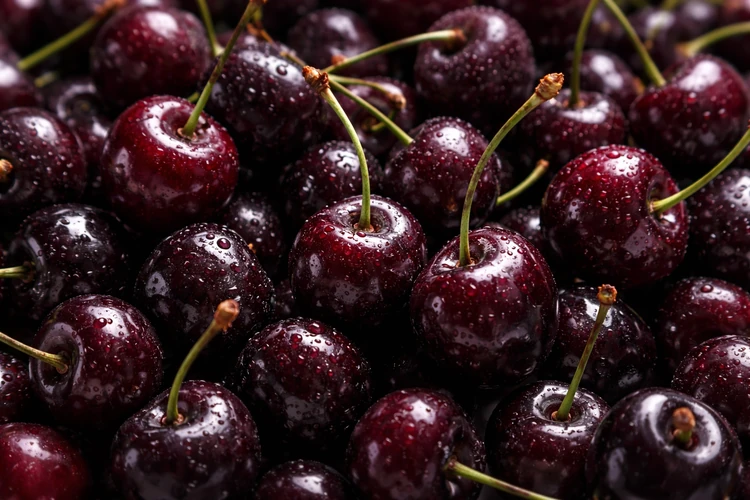

Compounds in dark sweet cherries were studied for effects on aggressive breast cancer.
Researchers tested both prevention and treatment approaches in a mouse model.
Results showed slower tumor growth, reduced spread, and changes in cancer-related genes.
A new study from Texas A&M University is taking a closer look at an unexpected place for cancer research: dark sweet cherries. Specifically, researchers focused on anthocyanins, the natural pigments that give these cherries their deep red color.
These compounds were studied in relation to triple-negative breast cancer (TNBC), one of the most aggressive forms of the disease. TNBC lacks common hormone receptors, which makes it harder to treat and more likely to spread to other parts of the body.
The goal of the research wasn’t just to see if these cherry-derived compounds could shrink tumors, but also whether they could influence how cancer spreads and responds to treatment — two factors that play a major role in patient outcomes.
“Triple-negative breast cancer is considered ‘the worst’ because it is more aggressive, higher grade, and has a higher mitotic index, meaning the cancer cells divide quickly,” researcher Dr. Giuliana Noratto said in a news release. “All these characteristics make it more likely to spread to distant organs and recur compared to other breast cancer types.”
How the study was designed
To explore this, researchers used a mouse model designed to mimic aggressive breast cancer. The animals were divided into four groups: a control group, one that received anthocyanins before tumor development, one treated with chemotherapy after tumors formed, and a final group that received both anthocyanins and chemotherapy.
This setup allowed scientists to look at anthocyanins from multiple angles — as a preventive strategy and as a potential complement to standard treatment.
In addition to tracking tumor growth, the team also examined metastasis, or how cancer spreads to other organs. They analyzed gene expression within tumors to understand how these compounds might be influencing cancer at a molecular level, including genes tied to metastasis and resistance to therapy.
What the researchers found
The results pointed to several notable effects. Mice that received anthocyanins before tumor implantation showed slower tumor growth without signs of toxicity. When combined with chemotherapy, the treatment appeared to slow tumor growth earlier compared to chemotherapy alone, while also allowing the animals to maintain body weight.
The study also found that anthocyanins reduced cancer spread to multiple organs, including the lungs, and lowered the incidence and extent of metastases in other areas.
On a molecular level, the compounds were linked to decreased activity in genes associated with metastasis and therapy resistance. This suggests they may influence how cancer cells grow, spread, and respond to treatment.
While the findings highlight a promising area of research, the study was conducted in animals, and further investigation is needed to understand how these results might translate to humans.