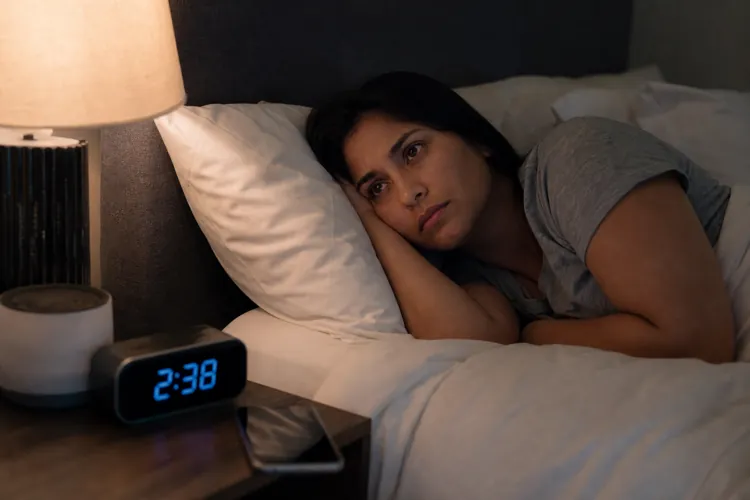

One-quarter of U.S. adults say they use marijuana occasionally or regularly to help them fall asleep or stay asleep.
The survey was commissioned by the American Academy of Sleep Medicine and included more than 2,000 adults nationwide.
Younger adults were more likely than older adults to report using marijuana as a sleep aid, with use highest among those ages 25 to 34.
For many Americans, getting a good night's sleep remains a challenge. While some people turn to prescription medications, melatonin, or herbal remedies, marijuana has become another increasingly common option for those looking for help falling asleep or staying asleep.
A new survey from the American Academy of Sleep Medicine (AASM) sheds light on just how widespread this practice has become and what impact it has on consumers' sleep.
“While many states now allow the recreational and medical use of marijuana, its impact on sleep is multi-faceted,” AASM past president Dr. Kannan Ramar said in a news release.
“Use of marijuana and other cannabis products is also associated with several clinical concerns, including increased risks of daytime sleepiness, impaired driving performance, physical dependence, and withdrawal symptoms such as sleep disruption.”
How the survey was conducted
The findings come from the AASM Sleep Prioritization Survey, which was conducted online among 2,007 adults in the United States. The survey was commissioned by the AASM and carried out by independent market research firm Atomik Research.
Researchers asked participants several questions about their sleep habits, but the primary outcome they were interested in was how using marijuana as a sleep aid impacts their rest.
What the results show — and what they mean
Here’s a look at what the survey found:
11% of respondents said marijuana had no impact on their sleep.
8% said marijuana made their sleep slightly or significantly worse.
15% said marijuana made them sleep slightly better.
18% said marijuana made them sleep significantly better.
Interestingly, the remaining 47% said they don’t use marijuana to help them sleep.
The survey also found differences across age groups. Adults aged 25- 44 were the most likely age groups (45%) to report using marijuana helps them sleep slightly or significantly better. Those 65+ were the most likely to not use marijuana for sleep (76%), and just 12% said marijuana helps them sleep slightly or significantly better.
Gender differences emerged as well. Men (39%) are more likely than women (28%) to report using marijuana helps them sleep slightly or significantly better.
The AASM recommends that consumers struggling with sleep seek out the guidance of their healthcare providers.
“Sleep is essential to health, so it is important to talk to a healthcare professional about any ongoing sleep concerns,” said Dr. Ramar. “Sleep specialists can provide evidence-based treatments for anyone who has insomnia or another sleep disorder.”
Additionally, the AASM offer some tried and true methods for improving sleep quality:
Follow a consistent routine. This includes going to sleep and waking up at about the same time every day – even on weekends.
Create a relaxing environment. Make sure your bedroom is dark, quiet, and comfortably cool.
Avoid sleep disruptors. Caffeine, alcohol, and nicotine in the evening can disrupt your sleep.
Avoid screens before bedtime. Your final half hour to full hour before bed should be screen-time free.
Incorporate relaxation techniques. Try different ways to be calmer before bed – things like deep breathing, meditation, or journaling can be helpful.