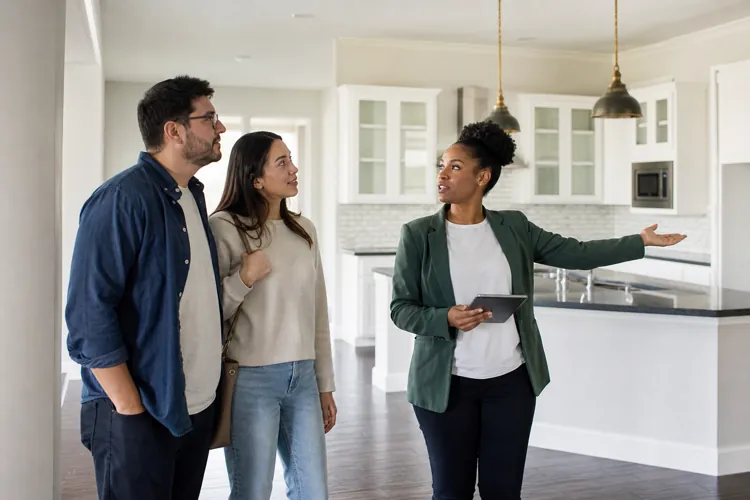

Mortgage rates have made moving less appealing for many homeowners, creating what experts call the "stay-put economy."
More homeowners are choosing to renovate and maintain their existing homes instead of buying another one.
The shift is changing spending patterns, with home improvement becoming a priority for many households.
For many Americans, buying a home has traditionally been seen as one step in a longer journey. Families often started with a starter home before moving into something larger or better suited to their needs over time.
But according to a new analysis from Benutech, today's housing market has changed that pattern significantly.
The company describes the current environment as a "stay-put economy," where rising mortgage rates have made moving far less attractive for homeowners who already have low-interest mortgages. Rather than giving up those lower monthly payments for a much higher rate on a new home, many owners are deciding to stay where they are.
That decision isn't necessarily about standing still. Instead, homeowners are increasingly treating their current houses as long-term investments, choosing to improve and maintain them rather than preparing them for resale.
“The ‘stay-put’ economy has profound implications for the broader American financial landscape,” Benutech’s Brian Fox said in a news release. “As long as the spread between current market mortgage rates and the ‘locked-in’ rates of the early 2020s remains wide, the velocity of housing turnover will remain suppressed.”
Remodeling replaces relocating
Benutech's analysis suggests that homeowners are redirecting money that might once have gone toward buying another home into renovations, repairs, and upgrades instead. Projects that improve a home's function, appearance, or longevity have become more appealing when moving would likely come with substantially higher borrowing costs.
This trend also reflects a slowdown in housing turnover. With fewer people listing their homes for sale, existing housing inventory remains constrained, while homeowners focus on protecting the value of the properties they already own.
According to the report, the result is a shift in how people think about homeownership. Rather than viewing a home as a temporary stop on the way to something else, many owners are approaching it as a place they'll remain in for years to come, making investments that fit a longer timeline.
What it means for consumers
For homeowners, the "stay-put economy" may mean spending more time — and money — on making their current homes better fit their changing needs. Kitchen updates, exterior maintenance, storage improvements, and other renovation projects may feel like a more practical option than taking on a new mortgage at today's rates.
For prospective buyers, the trend may also help explain why fewer existing homes are coming onto the market. Many current homeowners are reluctant to trade a low mortgage rate for a significantly higher one, reducing the number of available listings.
While every homeowner's financial situation is different, Benutech's analysis highlights how higher borrowing costs are influencing everyday decisions. Instead of climbing the traditional housing ladder, many Americans are choosing to strengthen the homes they already have, turning them into long-term residences rather than temporary stepping stones.