
Inflation and technology costs are making back-to-school shopping more expensive, with electronics now one of the biggest expenses for many families.
Creating a budget, prioritizing needs over wants, and spreading purchases out over time can help families avoid overspending and unnecessary debt.
Back-to-school shopping is a great opportunity to teach kids valuable money skills, from comparison shopping to understanding the difference between needs and wants.
Back-to-school shopping can feel like a fresh start, but it can also put a strain on the family budget.
Between classroom supplies, new clothes, shoes, and extracurricular essentials, the costs can add up quickly. While it may be tempting to rely on credit to cover the expense, taking a thoughtful approach to budgeting can help families avoid unnecessary debt.
Cynthia Chen, founder and CEO of Kikoff, shares practical strategies for planning ahead, making smarter spending decisions, and keeping back-to-school shopping affordable.
Inflation wins again
Chen explained that the number one factor impacting rising back-to-school prices is inflation.
“Clothing, shoes, backpacks, and school supplies all cost meaningfully more than they did a few years ago, and higher costs across the board — including gas and transportation, which feed into the price of nearly everything — keep prices elevated,” she said.
“On top of that, what counts as a ‘school supply’ has expanded. Electronics are now the single largest spending category, so a laptop or tablet in a replacement year can dwarf the cost of notebooks and pencils.”
The financial blind spots
As parents are preparing for back-to-school, Chen says that it’s more than just a single shopping trip. Parents need to be prepared for the costs that pop up once school is underway.
“The most common blind spot is treating back-to-school as a single shopping trip when it's really a season,” she said. “The initial haul (clothes, shoes, supplies) is only the first wave. The costs that catch parents off guard come later: activity and lab fees, sports registration, instrument rentals, field trip deposits, and club dues that trickle in from August onward.
“A second blind spot is clothing and shoes for younger kids, who outgrow everything so quickly that a full wardrobe refresh can quietly become one of the largest line items, often more than double what families actually spend on supplies,” Chen explained.
Other factors to consider: childcare, after-school care, and other recurring costs tied to the school year.
Money-saving tips
To make your budget stretch farther this back-to-school season, Chen shared her best advice:
Start by taking inventory. Before you buy anything, go through what survived last year — last year's backpack, calculator, or barely-used supplies may have another year in them. Then map out exactly what you actually need to buy new, and assign a dollar amount to each category so you're shopping against a plan instead of a vibe.
Set the total budget based on what you can genuinely afford. Ignore what the sales are tempting you toward, and shop within that number. If money is tight, lean on used textbooks, hand-me-downs from older siblings or family, and secondhand items that are still in good shape.
Get serious about extracurriculars. List them in priority order and fund the most important ones first — you don't have to say yes to everything in the same month. The goal is to make your decisions before you're standing in the store with your kids asking for the name-brand version.
It’s a marathon not a sprint. Spread purchases out over several weeks, buy only the essentials to start the year, and fill in the rest once you know what your child actually needs. This will protect your budget far better than one big, emotional shopping trip.
Getting kids involved in finances
Chen also explained that this season is a great time to teach kids about financial literacy – in terms they understand. These lessons can leave lasting impacts that help them better understand the value of things and how to build smart spending habits at a young age.
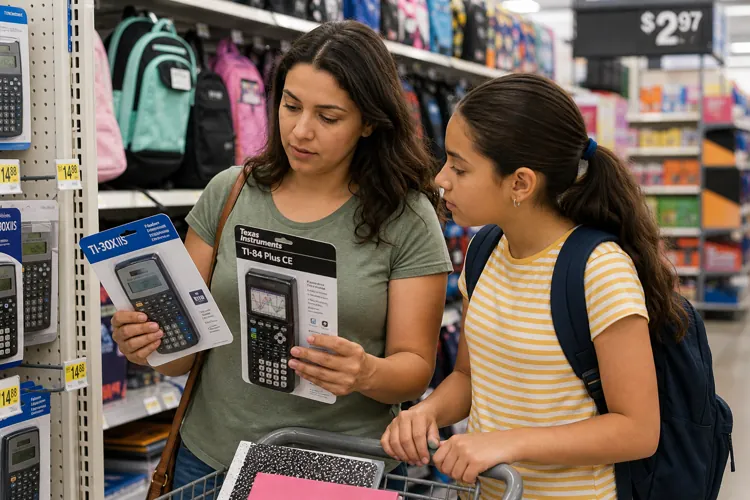
“This season is one of the best real-world classrooms parents have,” Chen said. “The core lesson is the difference between needs and wants — the calculator and the shoes that fit are needs; the character-branded backpack when a plain one works is a want.”
She also shared a simple, powerful exercise to really drive the point home. Chen recommends giving an older child a set amount for a category, like clothes or supplies, and let them make the trade-offs themselves.
“When they realize that splurging on one item means less for everything else, the concept of a budget stops being abstract,” she said/ “Bringing them into comparison shopping, too — checking prices across stores, waiting for a sale, or choosing the store brand teaches them that money decisions have options. Learning needs versus wants early is a skill that serves kids well as they grow into financial independence.”