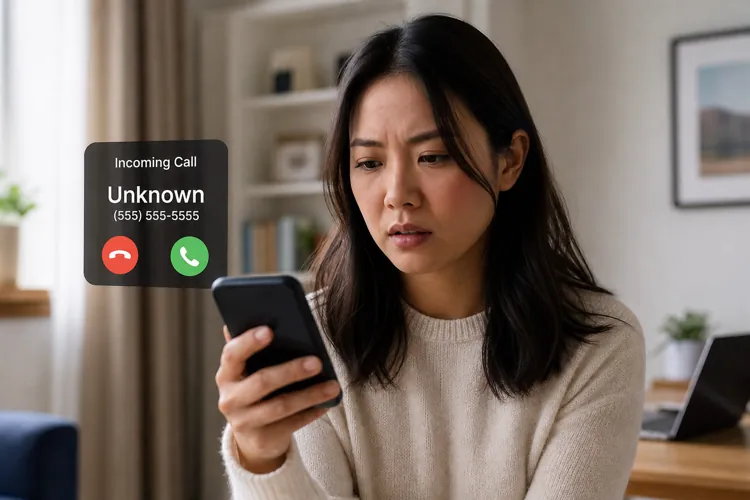

A new survey found that 66% of Americans have missed an important call while screening for spam, including calls from healthcare providers, employers, and financial institutions.
As phishing scams become more sophisticated, consumers are growing more cautious about answering unknown calls and opening unexpected emails.
Experts say the key is finding a balance: verify unfamiliar communications without ignoring legitimate calls and messages that could be important.
Spam calls, suspicious texts, and phishing emails have become such a routine part of daily life that many consumers have started tuning them out altogether.
While being cautious can help reduce the risk of falling for a scam, it may also come with unintended consequences.
New research from Cloaked found that many Americans have missed important calls while screening unknown numbers, highlighting how growing scam fatigue is changing the way people communicate and the trade-offs consumers face as they try to protect their personal information.
ConsumerAffairs spoke with Annmarie Giblin, Chief Compliance Officer at Cloaked to learn the ins and outs of what this means for consumers.
Missing important calls
Cloaked’s survey found that 66% of Americans have missed an important call in an attempt to screen a spam or fraud call. However, skipping those calls can also have important implications.
“Beyond health care, the most commonly missed calls in the study came from employers or recruiters, cited by 18% of respondents, followed by pharmacies or insurance providers at 16% and financial institutions at 15%,” Giblin said.
“A screened call could mean losing a job opportunity or failing to respond quickly to suspicious activity on a bank account. It could also mean being tricked by a scammer that could result in identity theft or stolen money. The bigger issue is that consumers currently have to make a risk calculation every time their phone rings, trying to determine in seconds whether answering that unknown number is more dangerous than ignoring it.”
Emails are risky too
The survey also found that 40% of Americans believe phishing emails to be the most convincing spam format. Ignoring or deleting important emails can also lead consumers to miss important communications.
“The most effective phishing emails no longer look sloppy or generic,” Giblin said. “They imitate familiar brands, reference believable activities like package deliveries or password resets, and create enough urgency to make the recipient act before thinking. Personal details gathered from breaches or social media can make the message feel legitimate and expected.
“At the same time, polished formatting and a button leading to a convincing imitation website remove many of the warning signs consumers were once taught to look for. The strongest defense is to have a healthy skepticism of such messages, especially when unsolicited, and in general avoiding using the link in the email and instead, independently go to the company’s official app or website.”
Protecting yourself is important
Because scams have gotten so advanced, it’s hard for consumers to determine what’s a legitimate call and what’s not. However, never answering an unknown number isn’t the answer either, as it could mean you miss important information.
Giblin shared her best tips to help consumers protect themselves, while also not cutting themselves off from important communication:
Have a healthy dose of skepticism of unsolicited communications.
Let unfamiliar calls go to voicemail.
Review messages promptly rather than automatically deleting them.
Verify requests through a channel you initiate (e.g., open the official app, type the organization’s website yourself, or call a number printed on a statement instead of clicking a link or calling the number provided in a message).
Use carrier or other third party spam filtering and set up legitimate account alerts.
Save known numbers for doctors, schools, pharmacies, banks, and other essential contacts.
“The goal is to make verification a routine step before sharing information or granting account access,” she said.