


A new survey found that 67% of Americans want Congress to end the twice-yearly clock changes.
Permanent daylight saving time was the most popular option, although some people have concerns about darker winter mornings.
More than half of Americans say the fall time change negatively affects their sleep, mood, or productivity.
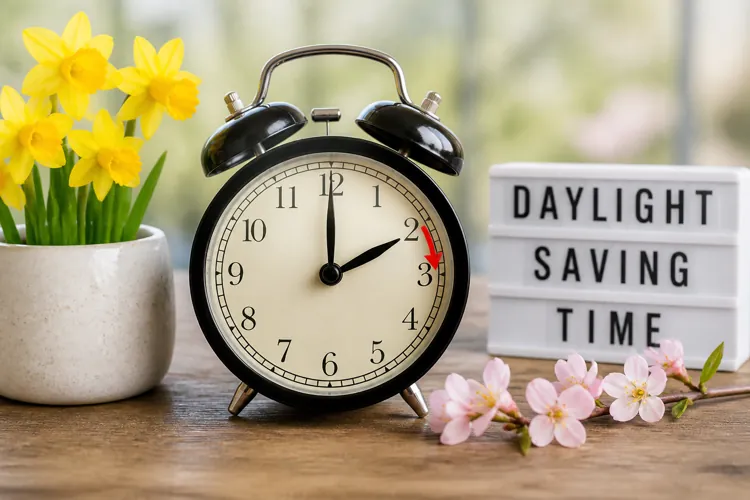
It's almost time to turn the clocks back again (Sunday, November 1, 2026!), but many Americans are wondering whether this twice-yearly tradition needs to continue. With growing support for ending daylight saving time changes, the conversation is gaining momentum in Washington.
In July 2026, the House passed the Sunshine Protection Act by a vote of 308 to 117. The legislation would make daylight saving time permanent nationwide, but it still needs Senate approval. Unless the measure moves forward, Americans will turn their clocks back on Sunday, November 1.
A new survey from electricity provider Payless Power offers a closer look at how Americans feel about the time change and what they would prefer moving forward. The company surveyed 1,015 U.S. adults about their preferences, the effects of changing clocks, and how earlier sunsets influence household electricity use.
What Americans think about changing the clocks
The survey found that 67% of respondents want Congress to end the twice-yearly clock changes. Support crossed generational lines, with 76% of baby boomers, 70% of Gen X, 66% of millennials, and 61% of Gen Z agreeing.
When asked what should replace the current system, 40% chose permanent daylight saving time, making it the most popular option across every generation. However, keeping the evenings brighter comes with a potential downside: 34% of respondents said traveling to work or school in the dark would be a drawback.
The current system also appears to affect more than just people's schedules. According to the survey, 54% of Americans experienced a negative effect on at least one of three areas after the fall clock change: sleep, mood, or productivity. Mood was the most commonly affected, with 42% reporting a negative impact.
What the findings mean for consumers
For households, the clock change can also mean adjusting daily routines and electricity use. Nearly half of respondents (49%) said their households turn on lights earlier once the sun starts setting sooner in the fall. Another 17% reported that their household electricity use increased since last fall's time change.
There may also be lifestyle benefits to keeping the evenings brighter. In fact, 43% of respondents said they would spend more time outdoors walking, visiting parks, or hiking if daylight lasted longer.
Still, the survey highlights that there isn't necessarily one perfect solution for everyone. While permanent daylight saving time appeals to many Americans, darker winter mornings remain a concern.
For now, we’ll all be turning our clocks back on November 1. Whether that tradition eventually disappears will depend on what happens next with the proposed federal legislation.