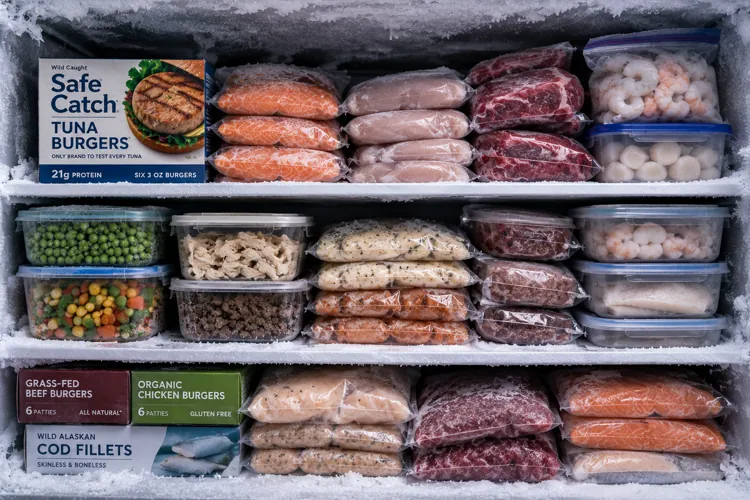

Stock your freezer, save money. Frozen vegetables, fruit, and lean proteins last longer, reduce food waste, and make healthy meals easier.
Skip the takeout habit. Keeping a few freezer staples on hand means dinner can be ready in about 15 minutes.
Read the label. Choose frozen foods with simple ingredients and watch for excess sodium and added sugar.
Busy family schedules have a way of throwing even the best meal plans off track. Between work, school, soccer practice, and homework, it's easy to find yourself staring into the refrigerator wondering what's for dinner — or reaching for your phone to order takeout.
ConsumerAffairs interviewed registered dietitian Lauren Manaker, who explained one of the smartest places to stretch your grocery budget isn't in the produce aisle. It's in your freezer.
Manaker says today's freezer aisle is far different than it was a generation ago. While it still contains highly processed convenience foods, it's also filled with nutritious staples that can help families save money, reduce food waste, and get healthy meals on the table in minutes.
"It's really about having quality ingredients ready when life gets busy," Manaker said. "When you have nutritious foods in your freezer, the easiest meal is often the healthiest one, too."
Here's how she recommends shopping (and stocking) your freezer.
Frozen vegetables are the ultimate budget buy
If Manaker could recommend just one freezer staple, it would be frozen vegetables.
She always keeps broccoli, spinach, and mixed vegetable blends on hand because they make it easy to round out almost any meal without worrying about produce spoiling before it's used.
Frozen vegetables are typically processed shortly after they're harvested, helping preserve their nutrients while extending their shelf life. That means fewer trips to the grocery store and less food ending up in the trash.
"They're typically frozen at peak ripeness, so the nutrition holds up well," Manaker said. "Plus, they don't wilt on me before I get to them, which cuts down on waste and saves money."
Whether you're adding broccoli to pasta, spinach to scrambled eggs, or mixed vegetables to a stir-fry, frozen vegetables are one of the easiest ways to stretch both your meals and your grocery budget.
Frozen fruit saves money — and breakfast
Fresh berries may be delicious, but they're also one of the quickest foods to spoil. For that reason, Manaker always keeps frozen fruit in her freezer for smoothies, oatmeal, yogurt, and quick breakfasts.
Buying berries frozen often costs less than buying them fresh, especially when they're out of season, and you only need to use what you need instead of rushing to finish an entire container before it goes bad.
Frozen mango, peaches, cherries, and mixed fruit can offer similar savings while making it easier to keep healthy ingredients on hand year-round.
Keep a protein ready for busy nights
One of the biggest reasons families end up ordering takeout is simply because they don't have a plan. That's why Manaker always keeps a quick protein in the freezer.
Lately, that has been Safe Catch Tuna Burgers, but she says the concept is more important than the specific product. Frozen chicken breasts, salmon fillets, turkey burgers, shrimp, veggie burgers, or other lean proteins can all serve the same purpose.
"When I don't have a plan, having a lean protein ready to go keeps me from reaching for takeout," she said.
A dependable freezer protein turns "What's for dinner?" into a much easier question to answer.
Don't assume frozen means unhealthy
The freezer aisle still suffers from an outdated reputation. Many shoppers immediately think of sodium-packed TV dinners or heavily processed meals. While those products certainly exist, so do plain vegetables, fruit, seafood, and minimally processed proteins.
"The key is reading the label rather than assuming," Manaker said.
She starts with the ingredient list. Products made with recognizable ingredients and shorter ingredient lists tend to be better choices than foods filled with additives and preservatives.
She also compares sodium levels, looks for hidden added sugars in products like sauced vegetables or breaded proteins, and checks how much protein and fiber each serving provides.
"A straightforward label is usually a good sign," she said.
Build a 15-minute dinner
Healthy eating doesn't have to mean spending an hour in the kitchen.
One of Manaker's favorite weeknight dinners starts with a frozen protein cooking in the air fryer or skillet while frozen vegetables steam in the microwave. She pairs everything with microwaveable brown rice or another whole grain, then finishes the meal with fresh greens, a squeeze of lemon, or a yogurt-based sauce.
Dinner is ready in about 15 minutes.
"The point isn't that every meal has to be gourmet," she said. "It's that a little planning on the front end means the easy choice is also a genuinely nourishing one."
It's also likely to cost far less than another delivery order.
Avoid these common freezer mistakes
One of the biggest mistakes shoppers make is assuming all frozen foods are either healthy or unhealthy. Neither is true.
Manaker says another common error is ignoring serving sizes. Some frozen meals appear to be single servings but actually contain two, doubling the sodium, calories, and fat if you eat the entire package.
She also encourages shoppers to keep their freezer organized.
Buying frozen food only saves money if you eventually use it. Labeling homemade freezer meals with dates and rotating older foods toward the front can help reduce waste and prevent forgotten items from sitting in the freezer for months.
As for foods she generally skips, Manaker avoids products loaded with sodium and added sugars while offering very little protein or fiber.
"If a product is mostly refined carbohydrates with a long list of additives and not much nutritional payoff, it's usually not earning its spot in my freezer," she said.
Fresh still has an advantage
Frozen foods aren't always the best choice.
Fresh salad greens, herbs, and produce you'll use within a day or two generally deliver better texture and flavor. If you're serving vegetables raw or making a salad, fresh usually wins.
The smartest strategy isn't choosing frozen over fresh, but it's knowing when each one makes the most sense.
"My general rule is to buy frozen for the staples I use regularly and want on hand, and buy fresh for the things I'll use quickly or want at their peak texture," Manaker said. "Balancing the two is what keeps both my meals and my budget in good shape."