
A recent price study found several grocery chains that actually beat Walmart on price, with Costco and BJ’s averaging about 21% cheaper on groceries.
Discount grocers like Aldi, Lidl, and WinCo also undercut Walmart, typically offering staples for 3–8% less on average.
The study highlights the gap between the cheapest and most expensive grocers, which exceeded 33%, meaning shoppers who mix stores can save hundreds each year.
A recent grocery price study by Consumer Reports suggests that Walmart may not always be the cheapest place to shop, and in many cases, shoppers should head elsewhere.
They compared grocery prices at more than 30 supermarket chains across the country. The results showed that several retailers actually beat Walmart’s prices, sometimes by a wide margin.
The biggest standout was Costco
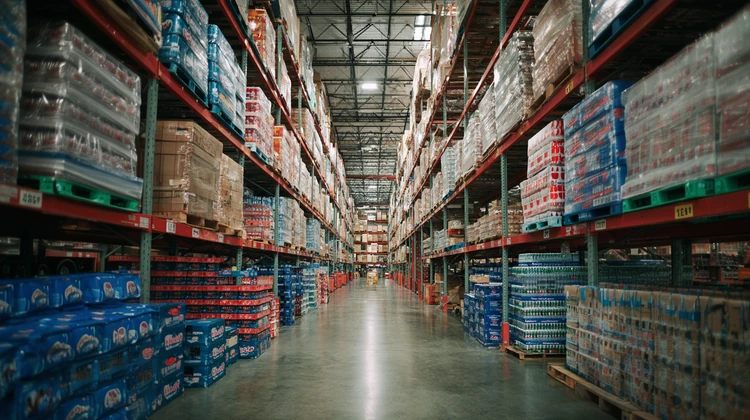
According to the study, groceries at Costco averaged 21.4% cheaper than Walmart, making it the lowest-priced option overall. Another warehouse club, BJ’s Wholesale Club, was close behind with prices averaging about 21% lower than Walmart.
Several discount grocers also came in cheaper than the big-box giant.
Aldi and Lidl both averaged roughly 8% lower prices than Walmart, while WinCo came in about 3.3% cheaper.
Texas-based H-E-B also edged out Walmart slightly, with prices about 0.2% lower on average.
The six grocery stores that beat Walmart broke down like this:
- Costco Wholesale
- BJ’s Wholesale Club
- Lidl
- Aldi
- WinCo
- H-E-B
The study also showed just how much grocery prices can vary depending on where you shop.
Researchers found that the difference between the cheapest and most expensive stores in their analysis exceeded 33%, meaning shoppers who choose the right store can potentially save hundreds of dollars per year.
On the opposite end of the spectrum, Whole Foods ranked as the most expensive grocery chain, with prices averaging nearly 40% higher than Walmart. Several regional chains also landed near the top of the price scale.
How to actually use this information to save money
Knowing which stores tend to have lower prices is helpful, but there are also a few strategies shoppers can use to maximize savings.
Compare warehouse prices carefully.
Stores like Costco and BJ’s often have the lowest unit prices, especially for pantry staples like cooking oil, rice, nuts, frozen fruit, and pasta sauce.
But the savings usually come from buying in bulk. Always check the price per ounce or per pound to make sure the larger package is actually the better deal.
Use discount grocers for staples.
Chains like Aldi and Lidl frequently undercut traditional supermarkets on basics such as eggs, milk, bread, cheese, and produce.
Many shoppers save the most by doing a “two-store strategy”—buying staples at discount grocers and picking up specialty items elsewhere.
Shop sales at traditional grocery stores.
Weekly sales at traditional grocery stores still beat Walmart prices on certain items. This is especially true with items like cereal, snacks, and soda.
Often times these are loss leaders for stores like Safeway, Kroger, and Publix. The hope is you’ll come in for the loss leaders, and end up buying a bunch of stuff at prices higher than Walmart because you don’t want to visit another store.
Pay attention to unit pricing.
One of the easiest ways to save money is comparing the unit price listed on shelf tags. This tells you the real cost per ounce or per pound and makes it easier to spot the best value.
The takeaway: While Walmart remains one of the most affordable grocery retailers, especially if you use coupons, it’s not always the cheapest option. Shoppers willing to mix and match stores, and use the 3-Store Rule, may be able to trim even more off their grocery bills.