

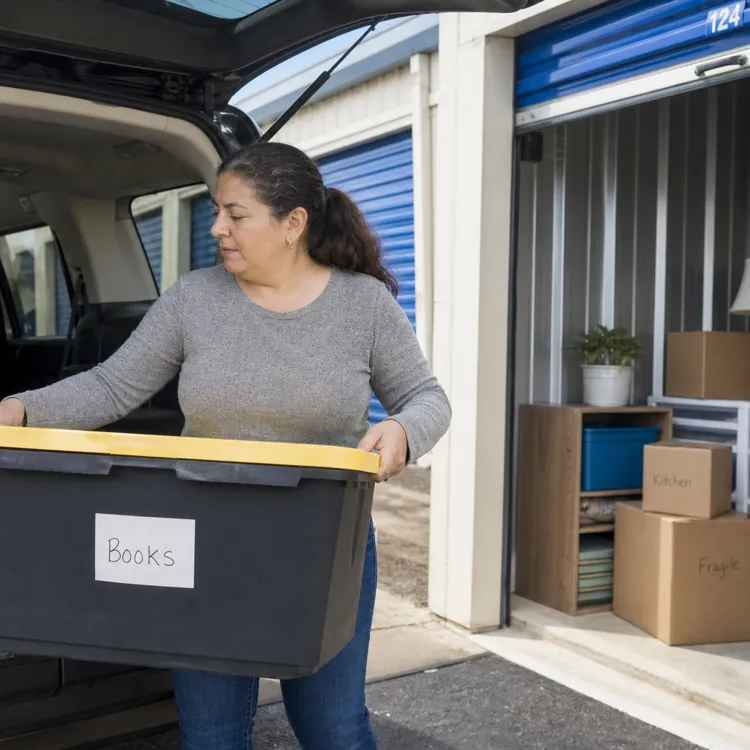
What is self storage?
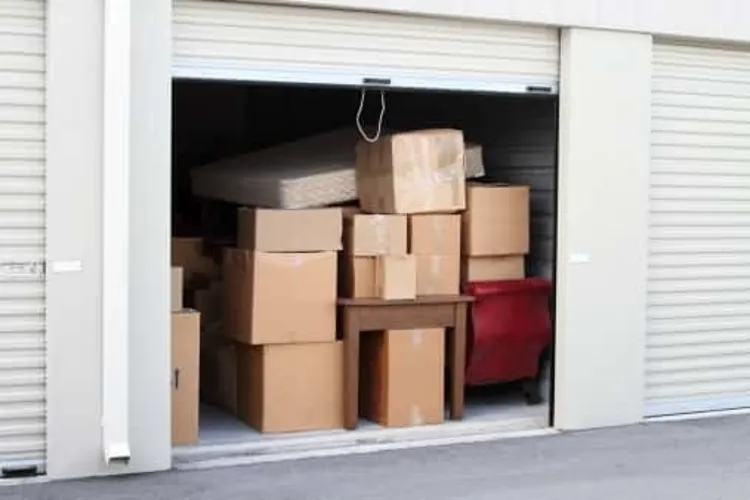
Self-storage companies offer secure storage space to individuals, who usually rent units on a month-to-month basis. The storage facility operator acts as the landlord and the renter is the tenant who signs a rental agreement. The landlord does not have access to the stored goods, and is only responsible for providing and maintaining the space itself.
People rent self-storage facilities for several purposes, including:
- While traveling
- During a military deployment
- Storing household items while staging a home for sale
- Storing the belongings of a deceased family member
- After temporary displacement caused by a move, divorce or natural disaster
- While subletting an apartment
- During a home remodel
How storage units differ from warehouses
Unlike a traditional warehouse space, self storage is tenant controlled, meaning only the tenant has access to the unit and uses their own lock to secure it. Operators and employees of self-storage facilities have no access to, or control over, the stored contents.
What you can and cannot store
Tenants are restricted on what they can and can’t store in their unit. Each state and facility has its own regulations, but the following rules typically apply:
Items you can store
- Vehicles
- Tools
- Furniture
- Documents
- Most household items
- Medical supplies
- Recreational equipment
- Personal belongings
- Business inventory
Items you cannot store
- Anything combustible, flammable, toxic or hazardous
- Illegal items
- Tires
- People (you can’t live or work out of the space)
- Animals
- Plants
- Perishable food
How self storage works
Self-storage facilities are located all over the country, and you often can reserve a unit online. Follow these six steps to understand how the self-storage process works:
Steps from choosing a unit to moving out
- Determine your needs: Figure out what size storage unit you need. Sizes typically range from 5-foot-by-5-foot up to 10-foot-by-30-foot. Think about what you’re storing and what kind of unit makes sense. Do you need drive-up access? Climate-controlled space? Vehicle storage? Extra security?
- Evaluate your options: Get quotes from at least three companies, read reviews and ask friends and family for recommendations. Look at your budget, where the unit is located and what security measures are in place (gates, guards, cameras, alarms, visitor logs, adequate lighting, etc.).
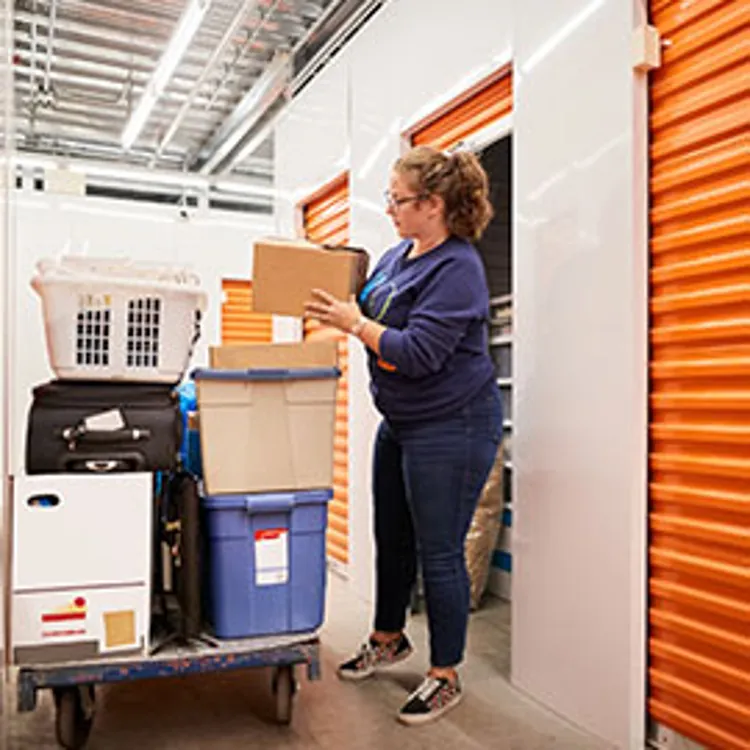
- Organize your belongings: Pack and label your belongings using sturdy cardboard boxes or plastic bins. Create a detailed inventory list of everything you store in the unit.
- Pack strategically: Place items you want quick access to in the front of the unit, and put bulkier items in back. Be sure to keep a clear center pathway for easy access, so you can easily walk throughout the unit. Lastly, ensure all your belongings are clean and dry to avoid mold.
- Protect and maintain: It’s a good idea to purchase a quality lock, though you can often rent one from the facility. Stop by periodically to ensure there are no issues with moisture or pests, and update your inventory as you add and remove items.
- Moving out: Give adequate notice when you’re ready to vacate. You may need to give the storage facility as many as 30 to 60 days’ notice. Make sure you clear everything out, sweep the unit’s floor and take your lock with you.
Access hours and entry
Some facilities offer 24/7 access, while others may limit the hours you can visit your unit. Make sure you know the access procedures upfront, including any codes or keys you need for a gate or main door, and note the facility hours should you need assistance.
Locks, insurance and payments
- Locks: Storage units are secured with a padlock, the most reliable being disc or cylinder locks. You may be able to rent a lock from the facility, but it’s best to purchase your own.
- Insurance: Almost all storage facilities require items stored in units to have insurance, which you often can purchase directly from the storage company. You may be able to use your existing homeowners or renters policy, but you’ll need to contact your provider to confirm this.
- Payment: When you sign your rental agreement, you’ll agree to a monthly rate and establish a payment plan. Payment is typically due each month and can be paid via an online account, autopay, over the phone or in person; specifics may vary by facility. Some contracts may also require a cleaning or security deposit.
- Nonpayment: If you default on your payments, the facility can place a lien on the unit. Per state lien law, you’ll first receive notification of nonpayment, and if you don’t pay, your belongings can be auctioned off. You will also be locked out of your unit until you pay.
Self-storage unit types and features
There are several types of self-storage units, including indoor, drive-up, climate controlled, vehicle and storage lockers. Sizes range from approximately 25 square feet to more than 300 square feet. Types and available sizes vary by facility.
Indoor storage units
Best for:
- Avoiding the elements when accessing belongings
- Smaller and lightweight items
Key features:
- Secure and private
- Protected from the elements and pests
- Interior hallway access
Typical access:
- May have limited access hours since it’s indoors
Drive-up storage units
Best for:
- Reducing carrying and lifting
- Ground-level access
- Large or bulky items
Key features:
- Faster and more convenient loading and unloading
- Usually outdoors
Typical access:
- More likely to offer 24/7 access
Climate-controlled storage units
Best for:
- Hot and humid climates
- Protecting belongings that can be damaged by heat or humidity, such as wood furniture, electronics or musical instruments
Key features:
- Maintains more stable temperature and humidity to help protect valuables
Typical access:
- Units are typically inside a building, so 24/7 access may not be available
Vehicle storage units
Best for:
- Classic cars
- Seasonal recreational vehicles
- Boats
Key features:
- Larger spaces
- Options for covered, uncovered or fully enclosed storage
Typical access:
- Ground-level access
- Drive-up access
Storage lockers
Best for:
- Smaller items
Key features:
- Typically the smallest unit available, often around 4 feet by 5 feet
Typical access:
- Some lockers may be stacked or located upstairs, which can limit access convenience



FAQ
Are storage units climate controlled?
Most storage units are not climate controlled, but some facilities do offer them. If you need a climate-controlled unit, verify that it’s available at the storage facility you’re considering before signing a contract.
What size storage unit do I need?
For most people, a 5-foot-by-10-foot unit can fit the contents of a studio apartment, while a 10-foot-by-10-foot unit can fit a one-bedroom apartment.
Is storage unit insurance required?
Most facilities require insurance per the terms of their rental agreement. You may be able to supplement or replace this coverage with your homeowners or renters policy.
How secure are self-storage facilities?
Security levels vary and can include perimeter gates and fencing, security guards, cameras or alarms, visitor logs, and adequate lighting. You can increase the security of your unit by investing in a quality lock, choosing an indoor space or using a facility with added security features.
Article sources
ConsumerAffairs writers primarily rely on government data, industry experts and original research from other reputable publications to inform their work. Specific sources for this article include:
- Compass Self Storage, "First-Time Self Storage Renter Guide." Accessed March 20, 2026.
- CubeSmart, "Your Complete Storage Unit Size Guide." Accessed March 20, 2026.
- Extra Space Storage, "Am I Required to Purchase Insurance on My Storage Unit?" Accessed March 20, 2026.
- Extra Space Storage, "Safe Storage Tips: What You Can & Cannot Store." Accessed March 20, 2026.
- Extra Space Storage, "What Type of Storage Unit Do I Need?" Accessed March 20, 2026.
- Prime Storage, "Size Guide." Accessed March 20, 2026.
- Public Storage, "Do I Need Insurance for my Unit?" Accessed March 20, 2026.
- Public Storage, "Storage FAQ." Accessed March 20, 2026.
- Public Storage, "Size Guide." Accessed March 20, 2026.
- Public Storage, "Are There Any Rental or Storage Restrictions?" Accessed March 20, 2026.
- SecureSpace Self Storage, "Do I need insurance for my belongings in a storage unit?." Accessed March 20, 2026.
- Self Storage Association, "What Is Self Storage?" Accessed March 20, 2026.
- SmartStop Self Storage, "15 Do’s and Don’ts for Your Self-Storage Unit." Accessed March 20, 2026.
- SmartStop Self Storage, "The Different Types of Storage Units and Which Is Right for You." Accessed March 20, 2026.
- Storage King USA, "Eight Types of Self Storage." Accessed March 20, 2026.
- U-Haul International, Inc., "Should I Purchase Storage Insurance?" Accessed March 20, 2026.