

How long do windows last on average?
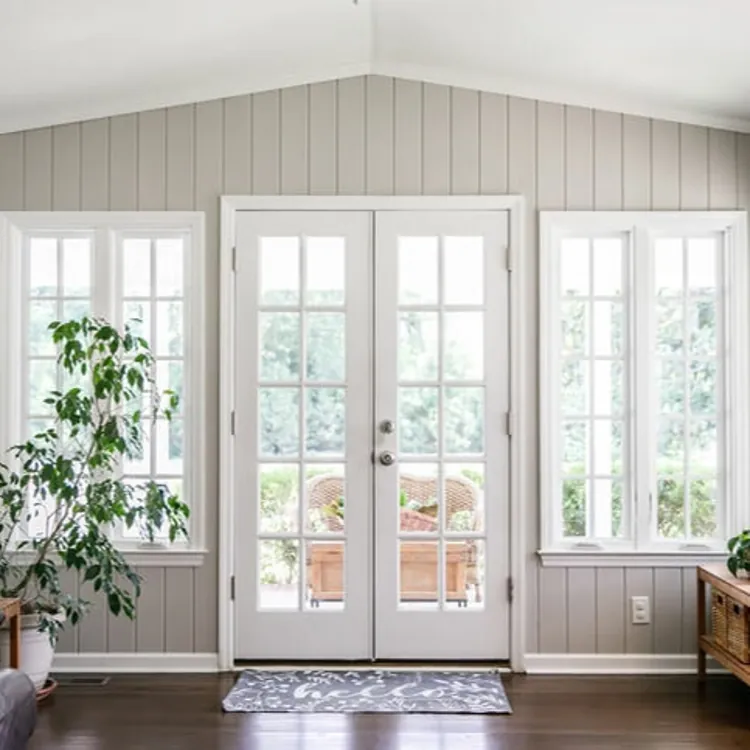
Residential windows typically last 15 to 40 years, though it depends on a few factors. That 20- to 40-year range is especially applicable to vinyl windows, the most popular residential frame material.
Unfortunately, even frame material isn’t a surefire measure of lifespan. The quality of the windows and your choice of window company can greatly affect how long they last. Here’s a breakdown of how some select product lines from different brands vary in coverage.
- Andersen 100 Series windows: 20 years for glass, 10 years for nonglass components
- Marvin Essential windows: 20 years for glass under 60 sq. ft., 20 years for clad frame, 10 years for other nonglass components
- Pella vinyl windows: 10 to 20 years for glass (depending on type), 10 years for nonglass components
Most of the time, your windows will outlast the warranty period, but you can get a sense of how long they'll last based on the coverage.
Keep in mind that the damages your warranty covers don’t include everything that would warrant a replacement, so base your decision to replace your windows on more than age and warranty.
» RELATED: Window styles for your home
Window lifespan by frame material
Your window’s frame material is one of the most important factors that determines how long your windows will last. Vinyl and fiberglass windows tend to have the longest lifespans, while aluminum windows have the shortest.
Vinyl is the most common window frame material because it performs well in most climates and weather conditions, lasts 20 to 40 years and remains one of the more affordable frame options.
How frame material affects window lifespan
Use the table below to compare window frame materials before deciding which is best for your home.
| Expected lifespan (years) | Maintenance demands | Common failure points | |
|---|---|---|---|
| Aluminum | 15 to 20 | Low | Coating wear or chalking, corrosion, air leaks and efficiency loss |
| Composite | Varies | Low | Varies by material |
| Fiberglass | 20 to 40 | Low | UV fading and repainting needs |
| Vinyl | 20 to 40 | Low | Wind damage, warping from extreme temperatures |
| Wood | 30 or more | Moderate | Rot, water damage, expansion and contraction from temperature and humidity |
Signs your windows need replacement
While you can use your window's age as a guide for when to replace it, there are many other signs it’s time to replace your windows.
Here’s a list of the most common signs it’s time to consider replacing your windows:
Failed glass seals
The seals around your window glass are designed to expand and contract with temperature changes, but extreme temperature swings or poor manufacturing can cause them to fail prematurely. You may notice rising energy bills from air leaks, or you might see condensation trapped between the panes of double- or triple-pane glass.
This often leads to replacing your windows before they reach their expected lifespan.
Drafts and air leakage
Window frames, glass seals and even the insulation around your windows can fail for a variety of reasons, including subpar installation and lower-quality units. If you notice drafts, higher heating and cooling bills or a less comfortable interior in winter and summer, you may need early window replacement.
Water leaks
Windows are also at risk of experiencing water leaks, as they’re your home’s first line of defense against rain and snow. Consider early replacement if you notice water damage, electrical issues, interior drips or mold around your windows. Pest issues concentrated around your windows can also indicate water leaks.
Fading or poor visual appeal
Some window frame materials fade with UV exposure or deteriorate with moisture. Windows play a key role in your home’s curb appeal, so you may want to replace them early if they start to detract from your home's look.
Certain materials, like aluminum, are also prone to dents that are difficult to repair, so windblown debris, fallen tree limbs and other accidents can also require early replacement.
Poor operation
Windows that become difficult to operate may indicate structural damage. While the window itself rarely causes this, it can suggest that you need a replacement along with structural repairs.
Windows with movable sashes also have locks, seals and hardware that can fail sooner than your frames and glass, which could mean early replacement to maintain safety and security.
Excessive outdoor noise penetration
Double-pane windows are the industry standard mostly because they balance energy efficiency and cost, but they also help reduce exterior noise in your home. As seals age and fail, you may start noticing outdoor noise disrupting your daily routine, which can signal it’s time to replace your windows early.
Faded furniture and flooring
UV light from the sun can fade furniture and flooring. If you notice heavy fading around your windows, you might benefit from new windows with superior protection, especially with low-emissivity (low-E) glass or tinting.
» MORE: Cost to install windows
When replacing a window is urgent
Most window problems aren’t urgent, but some can lead to property damage or safety concerns if left unaddressed. Use the table below to gauge how quickly you may need to replace your windows.
| Issue | Urgency | Risk |
|---|---|---|
| Condensation between panes | Low | Reduced efficiency and comfort, higher heating/cooling bills |
| Drafts | Low | Reduced efficiency and comfort, higher heating/cooling bills |
| Evidence of water leak | High | Water and structural damage, mold, pests and electrical fire |
| Fading, peeling or denting | Low | Mostly aesthetic, but may indicate reduced thermal performance |
| Windows are difficult to operate | Moderate | Potential structural and security issues |
| Outdoor noise is bothersome | Low | Weakened seals, reduced insulation and potentially higher energy bills |
| Faded items on interior | Low | Mostly aesthetic, but may indicate high solar heat gain and higher energy bills |
What affects how long windows last?
Windows see constant exposure to sunlight, rain, snow, wind and other stressors that can affect lifespan. Here are some factors, aside from frame material, that can affect how long your windows last.
- Installation quality: Poor installation can lead to window and structural damage, shortening the window’s lifespan. Choosing a reliable, experienced window installer can help your windows last for decades.
- Climate: Extreme temperatures can cause frames and seals to expand and contract, while strong winds and blown debris can cause damage. Severe weather, including hurricanes, tornadoes and tropical storms, can shorten a window’s lifespan.
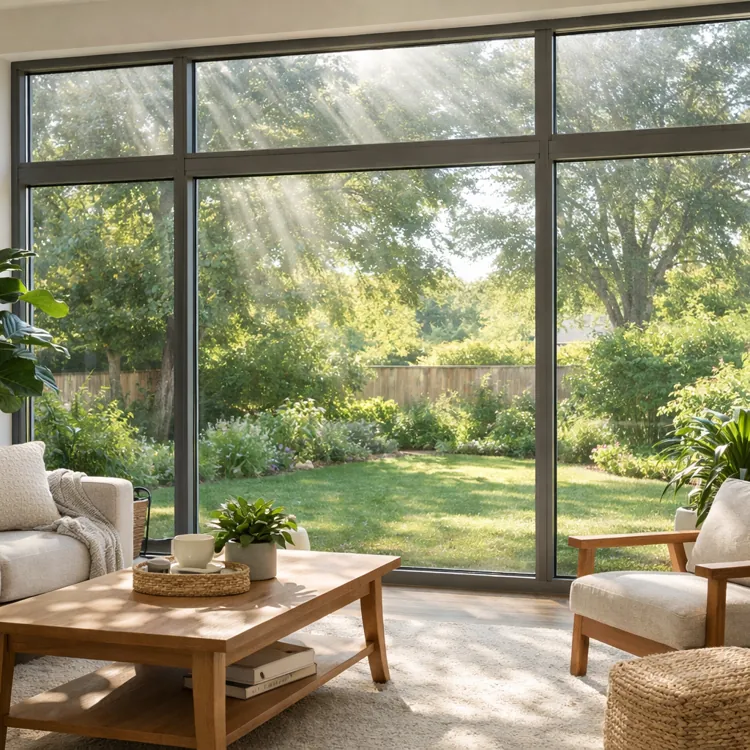
- Window type: Some window types last longer because of their placement or design. Skylights, for example, are more prone to leaks and debris damage and typically last 10 to 20 years. Picture windows can last longer because they have fewer moving components and seals.
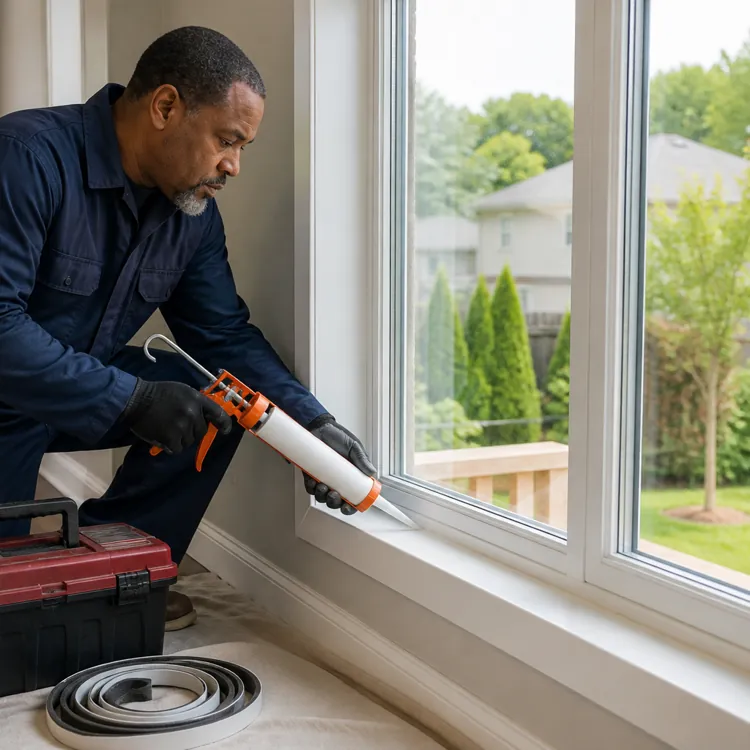
- Maintenance: Regular cleaning, repairs and recaulking can help prevent leaks, drafts and efficiency losses. Skipping maintenance can allow small problems to worsen until replacement becomes necessary.
- Proximity to seawater: Salt exposure can corrode aluminum frames, so aluminum windows near the coast may have shorter lifespans than those farther inland.
- Future plans: If you plan to sell your home, replacing windows beforehand may improve curb appeal, energy efficiency and buyer confidence. Your plans to sell can help determine when replacement makes sense.
FAQ
Is it worth replacing 20-year-old windows?
In many cases, you will benefit from replacing 20-year-old windows. Replacement will make your home’s interior more comfortable, and new windows usually dramatically improve energy efficiency and performance, so you’ll likely see savings on heating and cooling bills that can offset the cost.
Should I replace all my windows at once or one at a time?
It’s usually best to replace all windows at once because manufacturers often offer bulk discounts, and installers typically discount labor for larger projects. You’ll spend more overall, but you’ll save per window. Replacing all your windows will also make the biggest difference in home energy efficiency, utility bill reduction and interior comfort.
Can I extend the life of my windows with maintenance?
Yes, routine maintenance usually extends the life of your windows and provides ongoing savings on heating and cooling bills. Even routine maintenance like cleaning, caulking around windows and replacing weather stripping can make a big difference. It also gives a professional the chance to identify more serious problems that could worsen over time.
Do window warranties cover the full lifespan?
Window warranties usually don’t cover the full lifespan of your windows. Even the best window brands usually only offer 10 to 20 years on frame and glass materials, and the average window lifespan is 15 to 40 years. Warranties cover manufacturer defects, which usually become apparent within the warranty period.
Article sources
ConsumerAffairs writers primarily rely on government data, industry experts and original research from other reputable publications to inform their work. Specific sources for this article include:
- International Association of Certified Home Inspectors, "InterNACHI's Standard Estimated Life Expectancy Chart for Homes." Accessed Sept. 14, 2026.
- Andersen Windows, Inc., "100 Series Windows & Doors Limited Warranty." Accessed Sept. 14, 2026.
- Marvin Lumber and Cedar Co., LLC, "Marvin Limited Warranty: Window and Door Limited Warranty." Accessed Sept. 14, 2026.
- Pella Corporation, "PELLA VINYL WINDOW & PATIO DOOR LIMITED WARRANTY." Accessed Sept. 14, 2026.