

Key insights
Fiberglass windows excel in durability and weather resistance, while wood windows offer superior customization, easier repair and a more traditional aesthetic.
Jump to insightFiberglass windows require minimal maintenance with no painting or staining, aren’t prone to warping and offer slightly better energy efficiency.
Jump to insightWood windows add more to curb appeal and are much more customizable, but they're harder to maintain and are prone to warping and rotting.
Jump to insightFiberglass vs. wood windows overview
Fiberglass window frames are made from a combination of glass fibers and resins, creating a strong, durable and highly insulative material. Wood window frames are, as the name suggests, made from solid wood, and are also quite strong and offer a relatively high level of insulation.
Fiberglass windows last longer and require less maintenance, largely because they’re not prone to rot, a con of wood. Fiberglass is also the most energy-efficient window material available, so it’s ideal in extreme climates, where the high price tag can often pay for itself in energy bill savings.
Fiberglass beats wooden windows by all standards of construction, but there is something timeless about wooden windows. Fiberglass does not get warped, swollen or decayed on contact with water, [but wood] offers unparalleled interior style and authenticity."
Fiberglass vs. wood windows: Side-by-side comparison
The table below compares fiberglass and wood windows across some of the most important metrics to help you decide which is best for your home and climate.
| Fiberglass windows | Wood windows | |
|---|---|---|
| Average price per window | $700 to $1,500 | $800 to $1,500 |
| Longevity | 20 to 40 years | 30+ years |
| Maintenance needs | Low | Moderate |
| Energy efficiency | Very high | High |
| Sustainability | Recyclable, but not an easy process | Recyclable |
| Best for | Extreme climates and areas that see a lot of rain, snow and humidity | Curb appeal, especially on more traditional homes; relatively dry climates |
Fiberglass windows pros and cons
Fiberglass windows are the most energy-efficient options available, making them ideal in extremely hot or cold climates. They’re also among the longest-lasting window types, and they provide a high-end appearance that can mimic real wood.
However, they’re not ideal for everyone, so make sure you consider the following pros and cons before choosing this frame material.
Pros of fiberglass windows:
- Energy efficiency: Fiberglass windows offer the best energy efficiency. They are ideal for extremely hot and cold climates as they can dramatically reduce heating and cooling bills.
- Longevity: Fiberglass windows last for 20 to 40 years, on average, making them the longest-lasting windows, on par with vinyl windows.
- Durability: Throughout their long lifespan, fiberglass windows will stand up better than wood windows to impact, and they won’t rot, even if they experience excessive amounts of rainfall or humidity. They also won’t warp like wood can, and they’re more resistant to cracking.
- Moisture resistance: Unlike wood, fiberglass doesn’t absorb water, so it won’t rot, swell or warp. This makes them a better option in areas that see heavy rainfall and high levels of humidity.
- Flexibility: All window frames expand and contract with changes in temperature, and fiberglass expands and contracts at a very similar rate to your window glass and seals. This is a good thing as it means there’s less of a risk that your window seals will break over time and create air leaks and energy losses.
- Minimal maintenance requirements: Fiberglass requires almost no maintenance, regardless of the climate in your area, so it’s superior to wood for busy families who don’t want to face the time commitment or expenses required for routine repairs.
Cons of fiberglass windows:
- Appearance: Fiberglass windows can resemble wood, but they aren’t identical. “Fiberglass is now offering wood grain embossing and sharp interior design features, but it still remains man-made material at the end of the day,” said Asulin. “[Especially] for the owners of historically authentic houses, there is no competition for wood at all.”
- Upfront cost: Fiberglass windows are slightly less expensive than wood windows, on average, but they’re a close second. Many homeowners find better value in vinyl windows, which come at a lower cost.
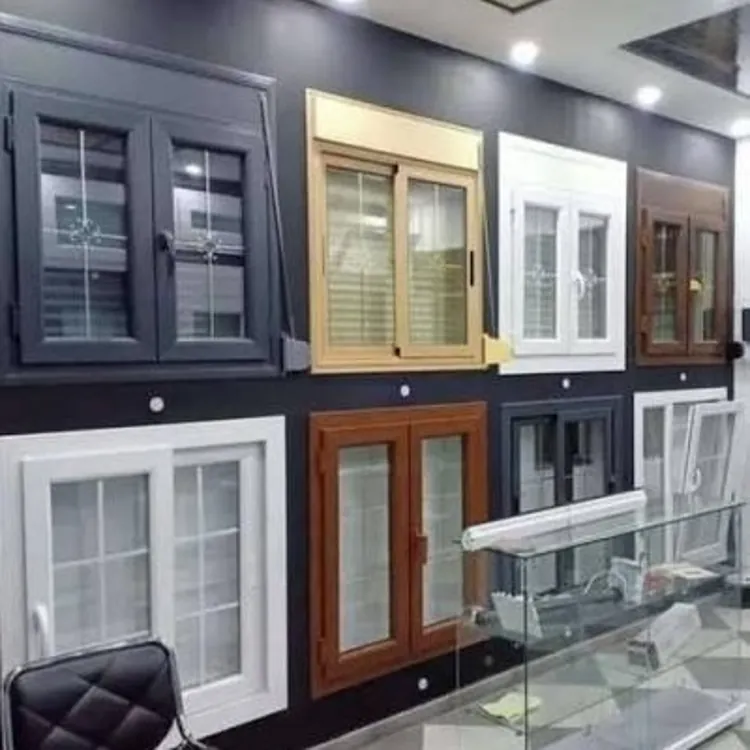
- Customization options: You should be able to find fiberglass windows in a variety of colors and textures, and you can paint them for more options. However, wood still reigns supreme when it comes to customization of colors and trim profiles. The best window companies offer a variety of stock options for wood frames.
Wood windows pros and cons
Wood windows are ideal for homeowners who want a traditional aesthetic for their home without compromising too much on energy efficiency or overall value. They’re not quite as insulative as fiberglass windows, but they can deliver good performance and help maximize home value.
Make sure you consider the following pros and cons to help you decide if this is the right window frame material for you.
Pros of wood windows:
- Curb appeal: The primary benefit of wood windows is that they offer the best curb appeal, due in part to the natural appearance and grain patterns. Most homeowners adore the look, especially when coupled with a more traditional home style.
- Added home value: A buyer’s opinion of your home is largely based on their first impression, so wood windows, which offer the best curb appeal, can have the most profound impact on your home value.
- Customization options: It’s common to get wood windows that are unfinished, which gives you nearly unlimited customization options in terms of stains and paint colors. This also makes it easier to match existing trim or other wood windows. Wood is also easy to cut, so you’ll find more trim profiles available to match older home styles.
- Easy to repair: Wood requires maintenance and repairs more often than fiberglass, but the repairs themselves are much easier. Generally, you’ll spend less repairing wood windows on a per-instance basis than you would on fiberglass windows. Many repairs are even DIYable.
Cons of wood windows:
- Energy efficiency: Wood windows offer great energy efficiency and can be suitable for extremely hot or cold climates, but fiberglass is the better option.
- Maintenance requirements: While wood windows are easier to repair, they also require more maintenance since they’re prone to rot. You’ll need routine sealing, and you’ll face repairs more often as well.
- Issues with water and moisture: Unlike fiberglass, wood absorbs moisture, which can lead to swelling and warping in areas that experience heavy rainfall or high humidity levels. You can seal them to reduce the risk, but fiberglass is a better option where water and moisture are a concern.
- Longevity: Wood windows last for an average of 30 or more years, a decade less than the 40 years you can expect from fiberglass windows.
- Durability: Since wood can swell and warp, and it expands and contracts more readily with changes in temperature and humidity, you’re more likely to see broken window seals that lead to air gaps, as well as structural issues with the frame itself. This can lead to stuck windows or sashes that are hard to operate.
Fiberglass vs. wood window: Cost and value
Window replacement costs for fiberglass windows average between $700 and $1,500 for a standard double-hung unit, while the same window with a wood frame would cost between $800 and $1,500. Prices can fall as low as around $200 for either material for a smaller window, like a hopper or transom window, while larger windows like bay windows can push past $7,000.
The cost of fiberglass and wood windows is very similar, on average, but there are some things to consider that can lead to a difference in upfront pricing and long-term costs for your particular project.
- Window size: Larger windows use more material that drives up unit cost, plus they weigh more and are bulkier, which increases labor costs. Both wood and fiberglass can stand up to added structural pressure in wide wall openings, but since fiberglass is stronger, you’re more likely to have oversized windows with fiberglass frames.
- Finishing costs: Before you buy wood windows, check if they’re pre-finished or unfinished frames. Prefinished wood windows often cost more than fiberglass. You could pay less for an unfinished wood window than you would for a fiberglass window if you paint or stain the material yourself.
- Glass options: Choosing triple-pane glass, low-emissivity (low-E) coatings and window tinting can each increase your window cost by $75 to $200 per window. These all cost about the same in both materials, but since more efficiency-minded homeowners choose fiberglass, you’re more likely to see these added costs in a fiberglass window.
- Window location: Wood is heavier than fiberglass, so you’re more likely to pay a bit more for a second-story wood window, which adds an average of $50 to $150, regardless of frame type. Upgrade to triple-pane glass, more common on a fiberglass window, and you could see even higher labor fees for a second-story fiberglass window.
- Maintenance costs: Fiberglass windows last about a decade longer on average, and they require almost no maintenance throughout their lifespan. Wood windows demand regular maintenance and refinishing, and they cost more upfront, so expect much higher long-term costs with wood windows.
- Repair costs: Wood windows will need repairs more often because the material is more prone to denting, scratching, rotting and warping, but many surface-level repairs will be more affordable than the equivalent on fiberglass windows. For long-term savings, though, you should always opt for fiberglass windows.
- Energy bill savings: Fiberglass windows are more energy-efficient, which translates into lower heating and cooling bills. “Wood is a natural insulator, whereas fiberglass frames consist of empty cavities that may be stuffed with foam insulation, making fiberglass superior in laboratory testing of thermal qualities,” said Asulin.
- Resale value: Most buyers should see tremendous value in both fiberglass and wood windows, especially compared to vinyl or aluminum ones. However, most homeowners prefer the curb appeal achieved with wood windows, so you’ll likely see a slightly higher resale value with wood.
There are other factors to consider as well, especially when matching your new windows to your existing ones. When in doubt, hire a window installer to help you decide.
FAQ
Are fiberglass windows really worth it?
Fiberglass windows can be worth it if you live in an extreme climate, but in moderate and mild climates, they’re rarely worth the investment. Fiberglass windows are among the most expensive options, and unless you can offset the added cost with heating and cooling cost savings, they don’t merit the upgrade.
Do fiberglass windows increase home value?
Yes, fiberglass windows, like any other new window material, will increase your home value. Plus, you’ll see a bigger return on investment from fiberglass than you would from most other options since the material outlasts most others, maximizes energy efficiency (especially in areas with extreme weather) and requires minimal maintenance.
Why are fiberglass windows not popular?
Fiberglass windows are relatively popular, but they’re not nearly as prevalent as vinyl windows primarily because they cost almost twice as much. Fiberglass windows are popular in extreme climates, where the energy efficiency benefits will lead to greater net savings on energy bills over time. Still, in moderate and mild climates, vinyl is efficient enough and much more affordable.
Can fiberglass windows be painted or stained?
You can paint or stain fiberglass windows, but the process is more complicated than it is with wood windows. With either refinishing method, you need to prep the surface well by sanding and then use a nonpenetrating paint or stain designed specifically for fiberglass. Unlike wood, fiberglass won’t absorb either paint or stain, so the success relies on prep work.
Bottom line
Choose fiberglass windows if you want maximum energy efficiency, minimal maintenance requirements and a more durable window frame, especially if you live in a more extreme climate. Consider wood windows if you want to prioritize curb appeal, a traditional aesthetic or customizability, especially if you live in a more moderate climate.
Article sources
ConsumerAffairs writers primarily rely on government data, industry experts and original research from other reputable publications to inform their work. Specific sources for this article include:
- U.S. Department of Energy, Office of Energy Efficiency and Renewable Energy, Building America Program, "Measure Guideline: Energy-Efficient Window Performance and Selection." Accessed Sept. 30, 2026.
- International Association of Certified Home Inspectors, "InterNACHI's Standard Estimated Life Expectancy Chart for Homes." Accessed Sept. 30, 2026.