
Holiday shopping may start much earlier this year: Experts say leaner inventories could make waiting until Black Friday a gamble for shoppers hoping to snag the hottest gifts.
Fewer products could mean fewer deals: With U.S. consumer goods imports down more than 30% from last year, retailers may have less inventory, leading to fewer markdowns and more full-price purchases.
Popular gifts could sell out faster: Toys, electronics, clothing, footwear, and sporting goods are among the categories most likely to see limited selection as the holiday season approaches.
Black Friday has long been the unofficial kickoff to holiday shopping, but this year, consumers may want to rethink that strategy.
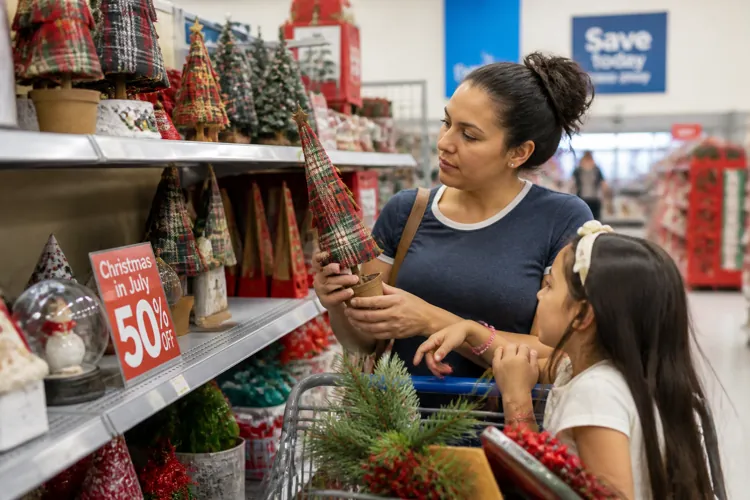
With fewer consumer goods arriving in the U.S. and retailers potentially carrying leaner inventories into the holiday season, experts say shoppers who wait until late November could find themselves facing limited selection, fewer discounts, and higher prices. That's one reason "Christmas in July" sales are getting more attention, as retailers encourage consumers to start checking gifts off their lists months earlier than usual.
ConsumerAffairs spoke with John Mercer, Head of Global Research and Managing Director of Retail Research, to learn more about CoreSight’s 2026 Holiday Retail Outlook: Midyear Update and what the findings mean for shoppers.
How the report was conducted and what it found
The report combines Coresight Research's proprietary machine-learning forecasting model with retail sales data, import data, inventory trends, inflation metrics, and weekly surveys of roughly 400 U.S. consumers ages 18 and older. Researchers also analyzed company earnings reports and government data to project how the 2026 holiday shopping season is likely to unfold.
The analysis suggests retailers could head into the holidays with leaner inventories, after U.S. consumer goods imports fell 30.2% compared with last year.
At the same time, Coresight projects fourth-quarter retail sales will grow 4.4%, and consumer confidence around holiday spending has rebounded since the spring. Together, those trends could mean shoppers encounter fewer discounts, more full-price purchases, and a greater incentive to start buying gifts well before Black Friday.
What can shoppers expect this holiday season?
According to Mercer, the clearest impact will likely be fewer units available in certain categories, tighter assortments, and less room for retailers to replenish popular products once they begin selling through.
“The report notes that import declines aren’t only against last year’s tariff driven pull forward, but also against levels from two and three years ago, suggesting an inventory squeeze,” he said. “Shoppers may notice fewer colors, sizes, or models available, less backup stock, and more items selling out without being quickly replenished.”
What categories are most affected?
According to Mercer, there are a few retail categories shoppers should be aware of that could face tighter inventories by the holidays.
“The categories at greatest risk are clothing, footwear, toys, games, electronics, and sporting goods,” he said. “Imports have declined across apparel and footwear, toys and bicycles, cellphones and household electronics, and home-entertainment equipment.
“Trend driven toys may sell out quickly because demand often concentrates around a small number of must-have items, while apparel and footwear could lose availability by size or color before an entire style disappears.”
Shopping earlier is becoming more popular
Mercer explained that the trend of shopping earlier is being driven by concerns about product scarcity, continued inflation pressure, and a holiday retail calendar that increasingly begins with major October sales events rather than Black Friday.
“When shoppers believe a specific product, size, or color might not be available, they’re more likely to purchase it as soon as they see it,” he said. “That creates a trade-off for bargain hunters, buying early improves the chances of securing the exact gift they want, but waiting for a bigger discount becomes riskier. If lean inventory sells through at full price, retailers may have fewer leftover products requiring aggressive markdowns in late November or December.”