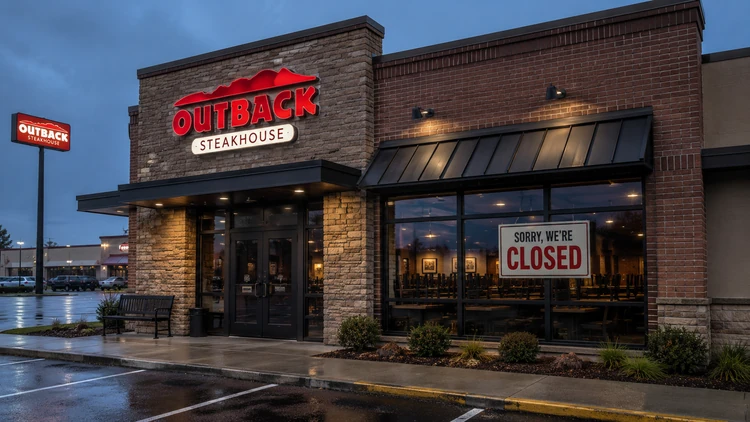

Major restaurant chains including Wendy’s, Jack in the Box, and Pizza Hut have closed locations as operators face shrinking profit margins, rising labor and ingredient costs, and higher transportation expenses.
Industry experts say changing consumer preferences, increased competition, aging customer bases, and economic pressures such as inflation and tariffs have made it harder for many franchise locations to remain profitable.
Today's diners expect strong value, convenience, and seamless digital experiences; brands that fail to keep pace with technology, service expectations, and perceived value risk losing customers and closing more locations.
Has your favorite chain restaurant closed your favorite location? For a growing number of consumers, the answer is yes.
Wendy’s, Jack in the Box, and Pizza Hut are just a few of the chains that have shuttered stores in the last few years. Yes, the economy might have something to do with it, but the industry experts we consulted said there are other factors at work as well.
"The closings come down to margins,” Eric Lam, CEO at Berry AI, told ConsumerAffairs.
“For years, operators could cover thin unit economics with promotions to increase traffic and price increases. Both of those are tapped out now. What's left is operational efficiency; the seconds and percentages that decide whether or not a location makes money. The chains' closing units are likely running blind to what's happening inside their four walls, and couldn't fix it fast enough once the cushion disappeared."
Brandon Dorsky is a co-owner, consultant, and former chef of Yeastie Boys Bagels, which operates multiple food trucks in Los Angeles. He traces the multiple closings to both underlying economic pressures and evolving consumer demographics.
Changing tastes
“Some chain closures have impacted brands with an aging core customer base or a style of food fare that is waning in popularity, whereas others are seemingly the result of expiring leases and increasing profit compression from the rising costs of labor and ingredients,” he told us.
Milos Eric is a co-founder of OysterLink, a hospitality job platform. He takes a more nuanced view.
“Firstly, consumers have become more cautious and selective about where they want to spend their money,” he said. “It means the competition in this market has become brutal. Many chains were in their prime when traffic was steadily growing, but now the times have changed.”
Secondly, Eric says operators have to face higher food prices because of tariffs, general inflation, and higher cost of labor.
‘Costs off the chart’
“Chains are closing because the cost and difficulty of owning and operating a food-service business are off the charts,” Joel Libaba, of Franchise Selection Specialists, told us. “And these costs are being passed on to consumers.”
Specifically, Libaba points to transportation costs, which have surged since the start of the Iran war. But there are other things working against franchisees.
Specifically, transportation costs are ridiculously high because of the price of diesel fuel.
“It’s still difficult to find a stable workforce in the food business,” he said. “Staff shortages provide one more reason for today's busy consumers to skip restaurants.”
Robin Gagnon, co-founder and CEO of We Sell Restaurants, says it all comes down to inflation. The pie is getting smaller.
Perceived value wins
“Consumers today are more selective with their spending, prioritizing experiences where they perceive the value as worth the price,” Gagnon said. “They're evaluating the full experience, including food quality, speed, consistency, convenience, digital ordering, atmosphere, and whether the brand still feels relevant. When a brand's prices outpace the customer’s sense of what they are receiving, traffic falls.”
So, without significant declines in inflation and increases in consumer income, chains may continue to struggle. Gagnon said it’s not that consumers are refusing to spend, they just expect more when they do.
“Today's consumers expect a seamless experience, largely driven by technology: frictionless ordering, loyalty integration, delivery execution, and personalized offers, Gagnon told us. Brands that aren't keeping pace in the digital world fall behind quickly.”