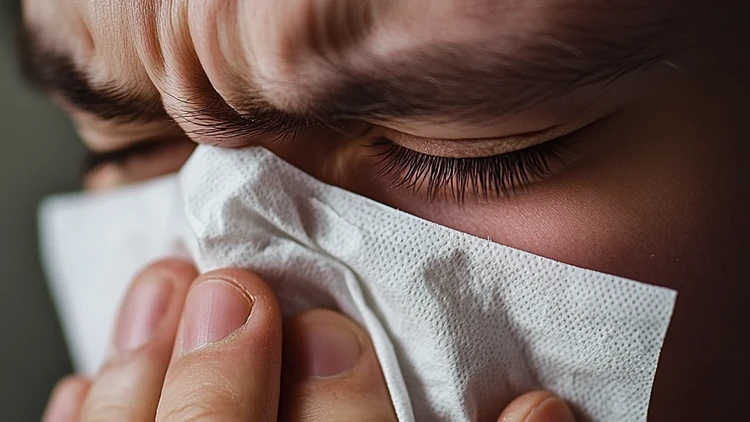

Fall allergy season is upon us and many consumers are already feeling the symptoms.
Payel Gupta, MD, a spokesperson for the American College of Allergy, Asthma and Immunology, shared everything consumers need to know to combat symptoms throughout fall allergy season.
Allergists can help consumers get personalized care during times of severe allergies.
While the weather may be getting cooler, that doesn’t mean it’s the end of allergy season.
In fact, fall allergy season is kicking off, and the symptoms are likely to start manifesting – if they haven’t already.
To help consumers be prepared for allergy season, ConsumerAffairs spoke with Payel Gupta, MD, a spokesperson for the American College of Allergy, Asthma and Immunology about the ins and outs of fall allergies.
When does fall allergy season usually start?
Dr. Gupta shared that we’re coming up on the heat of fall allergy season.
“Fall allergies usually start in late August and peak through September and October. However, now with climate change, fall allergies can last into late November in some areas,” she said.
“Fall allergies are mainly driven by weed pollen and in particular ragweed pollen. Mold spores from damp leaves and grass can also trigger symptoms into the fall.”
Signs and symptoms
If you’re unsure about what signs and symptoms to look for, Dr. Gupta has broken it all down.
She said that typical allergy symptoms include:
Sneezing
Runny or stuffy nose
Itchy eyes
Throat irritation
Cough
Fatigue
“For people with asthma, allergies can also trigger wheezing or shortness of breath,” Dr. Gupta said.
Combating allergy season
To fight off allergy symptoms this season, here’s what Dr. Gupta recommends:
Make a plan with your healthcare provider early. Starting medications like nasal steroid sprays early, especially if you have other more year-round allergies, can help get your nose ready for the fall allergies before pollen counts peak.
Stay consistent with the medications you are prescribed.
Shower and change clothes after being outside to remove pollen.
Keep windows closed during high pollen days.
Use HEPA filters indoors to cut down pollen and mold exposure.
Should you stay indoors?
Staying indoors may mitigate some allergy symptoms. However, Dr. Gupta says that avoiding pollen is really the key.
“Simply being indoors with windows open won’t help,” she said. “Using air conditioning, air purifiers, and avoiding outdoor activities during peak pollen times (morning hours) can reduce symptoms.”
Allergists can help
If you have persistent allergy symptoms, Dr. Gupta suggests that a trip to the allergist can be helpful.
“Understanding what you are allergic to can help you make a plan,” she said. “If symptoms persist, see an allergist. They can confirm triggers with testing and discuss options like immunotherapy. And remember: treating allergies can also improve sleep, focus, and quality of life.”