2024 Nutrition

Article Image

Nut allergies and alcohol: A dangerous combination

A new study has found that drinking alcohol can make severe allergic reactions worse for people with nut allergies. The study also suggests that nut-flavored alcoholic drinks, even with artificial flavors, could still trigger allergic reactions due to trace allergens.

The study led by McGill University looked at anaphylaxis, a life-threatening allergic reaction, and found that food was the most common trigger, especially tree nuts, which were linked to throat tightness. Insect stings, on the other hand, were more likely to cause heart-related issues like low blood pressure.

The researchers say understanding these patterns can help doctors diagnose and treat allergic reactions more quickly in emergencies.

“For doctors, spotting patterns could mean faster, life-saving treatment in emergencies. For people with allergies, understanding the role of alcohol and other triggers can help them make safer choices,” said lead author Roy Khalaf, a fourth-year medical student in McGill’s Faculty of Medicine and Health Sciences.

"With the holiday season’s abundance of nut-based treats and specialty beverages, the risk of accidental exposure to allergens requires careful attention,” he said.

The study also suggests that people with allergies should be cautious about alcohol and other triggers, especially during the holiday season when nut-based foods and specialty drinks are common.

The findings could lead to better allergen labeling on food and beverages. The study, published in the International Archives of Allergy and Immunology, is one of the first large-scale investigations of anaphylaxis in adults in Canada. It analyzed over 1,100 cases treated in emergency rooms over 10 years. The next step is to explore milder reactions and better allergy management strategies.

Article Image

Ultra-processed food speeds up aging, Italian researchers find

A study by researchers at LUM University has found that eating a lot of ultra-processed foods can speed up biological aging, even if a person’s diet is otherwise healthy. 

The study used data from over 22,000 people in the Moli-sani Study, measuring their biological age with more than 30 blood markers. Unlike actual age, biological age shows how healthy the body really is, including organs and systems, and can differ from one’s chronological age.

"Our data," said Simona Esposito, researcher at the Research Unit of Epidemiology and Prevention and first author of the study, show that a high consumption of ultra-processed foods not only has a negative impact on health in general, but could also accelerate aging itself, suggesting a connection that goes beyond the poor nutritional quality of these foods."

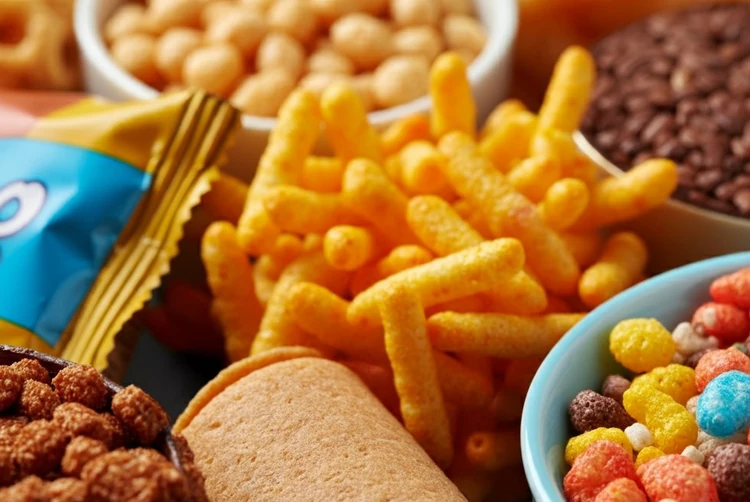
Researchers used food surveys to see how much ultra-processed food participants ate. These foods are made with ingredients not usually used in home cooking (e.g., hydrogenated fats, additives) and include items like packaged snacks, sugary drinks, and even some packaged bread and breakfast cereals.

Findings showed that people who ate a lot of ultra-processed foods aged faster biologically than their actual age. This internal "body clock" can show a body aging faster or slower than calendar years.

Sugar, salt, unhealthy fat

Esposito said that these foods not only harm overall health but could also speed up aging, adding that these foods are rich in sugars, salt, and unhealthy fats, and their intense processing may remove important nutrients and fibers.

They can affect metabolism, gut health, and may even introduce toxins from plastic packaging.

Licia Iacoviello, another senior researcher, suggested that dietary advice should include warnings about ultra-processed foods, as even some nutrient-rich packaged items fall into this category. The goal should be to guide people toward healthier food choices.

"Our data - says Simona Esposito, researcher at the Research Unit of Epidemiology and Prevention and first author of the study - show that a high consumption of ultra-processed foods not only has a negative impact on health in general, but could also accelerate aging itself, suggesting a connection that goes beyond the poor nutritional quality of these foods".

“The mechanisms through which ultra-processed foods can be harmful to human health are not yet entirely clear – explains researcher Marialaura Bonaccio, nutritional epidemiologist at the Research Unit of Epidemiology and Prevention-IRCCS Neuromed – Besides being nutritionally inadequate, being rich in sugars, salt and saturated or trans fats, these foods undergo intense industrial processing that actually alters their food matrix, with the consequent loss of nutrients and fiber. This can have important consequences for a series of physiological functions, including glucose metabolism, and the composition and functionality of the gut microbiota. Also, these products are often wrapped in plastic packaging, thus becoming vehicles of substances toxic to the body”.

“This study - adds Licia Iacoviello, director of the Research Unit of Epidemiology and Prevention at the IRCCS Neuromed and full professor of Hygiene at LUM in Casamassima - prompts us once again to reevaluate the current dietary recommendations, that should also include warnings on limiting the intake of ultra-processed food in our daily diet. Actually, some nutrient-dense packaged foods can be classified as ultra-processed, and this suggest the need of guiding people towards dietary choices that address also the degree of food processing”.

The results were published in The American Journal of Clinical Nutrition.

The Moli-sani Study

Started in March 2005, it involves about 25,000 citizens living in the Molise region. The aim is to learn about environmental and genetic factors underlying cardiovascular disease, cancer and degenerative pathologies. The Moli-sani Study, now based in the I.R.C.C.S. Neuromed, has transformed an entire Italian region in a large research lab.

The I.R.C.C.S. Neuromed

The Institute for Research, Hospitalization and Health Care (I.R.C.C.S.) Neuromed in Pozzilli (Italy) is a landmark, at Italian and international level, for research and therapy in the field of nervous system diseases. A centre in which doctors, researchers, staff and the patients themselves form an alliance aimed at ensuring the best level of service and cutting-edge treatments, guided by the most advanced scientific developments.

Article Image

Kids slurping down food pouches; is it a good trend?

Sales of baby food pouches—soft bags with plastic spouts that make eating easy—have skyrocketed by 900% since 2010, now surpassing jarred purees as the top choice for baby food.

Typically, parents spoon-feed purees to babies for a few months when introducing solid foods, but pouches, especially those marketed to parents of toddlers and older children, have extended the use of pureed foods for years.

While using pouches occasionally is fine, doctors and nutritionists are worried that relying too much on them could affect a child's nutrition, long-term food preferences, dental health, and even speech and language development. The marketing of pouches can also confuse parents about what’s actually inside.

"Pouches are highly processed foods," said Dr. Steven Abrams, a professor of pediatrics at the University of Texas at Austinin a recent Los Angeles Times report. "They’re convenient as a quick snack, but they shouldn’t make up too much of a toddler’s diet. Kids need to learn to chew and eat whole foods like meat, fruits, and vegetables."

The contents of pouches vary widely. Some have only fruit, while others include vegetables, grains, yogurt, or even meat. Many pouches feature sweet fruits like apple or pear as the main ingredient, unlike traditional jarred foods, which often contain single items like peas or carrots.

A 2019 study found that pouches had significantly more sugar per serving than other types of packaging.

Smooth, sweet texture

Although most children don’t have problems chewing, Dr. Mark Corkins, a pediatric gastroenterologist, says that some kids get so used to the smooth, sweet texture of pouches that they develop aversions to regular fruits and vegetables. "In the long run, we’re going to pay for it," he said.

Pouches are popular because they’re convenient. They don’t break like glass jars, and toddlers can eat from them without help. 

However, Dr. Tanya Altmann, a pediatrician, pointed out in the Times article that not all pouches are created equal. She emphasized that while pouches can be part of a family’s nutrition, they shouldn’t be a main food source. Pouches without added sugar or salt can be better than other processed snacks, but parents should focus on what's inside.

Pouch labels like "all natural" or "organic" can mislead parents. A pouch advertised as broccoli-pear might mostly be pear puree, or a "turkey dinner" pouch might be mostly applesauce with only a hint of turkey. 

Parents of picky eaters are especially vulnerable to this kind of marketing, as they want to make sure their children are getting proper nutrition. However, Martinez admits that the real appeal is the convenience. She thinks of pouches as being similar to smoothies or yogurt but in an easier-to-go form.

Article Image

Strawberries provide substantial heart health benefits, study finds

Good news for strawberry lovers. A new study shows that eating strawberries every day can be a delicious way to keep your heart healthy.

Researchers found that eating just one to four cups of strawberries a day can help lower bad cholesterol and reduce inflammation, both of which are major causes of heart disease.

Strawberries also contain nutrients that may help protect your brain from age-related decline and even dementia.

“People are seeking natural, food-based solutions to manage their health and strawberries offer a convenient, delicious and affordable way to support heart health. They are packed with phytonutrients, fiber and vitamins, particularly vitamin C, and can be easily added to smoothies, yogurt, salads or eaten as a snack,” said Toby Amidor, one of the researchers. 

A daily dose is substantial

Whether fresh, frozen or in freeze-dried form, a daily dose of strawberries can have a substantial impact on heart health especially in those at higher risk for heart disease, the study found. By improving lipid metabolism and reducing systemic inflammation, strawberries aid in lowering the risk of developing cardiovascular conditions.

"Strawberries are rich in phytonutrients that benefit heart health,” said Roberta Holt, Ph.D., lead researcher of the study at University of California, Davis. "Our review found that regular strawberry consumption not only lowers cholesterol but also helps reduce inflammation, which is a key driver of heart disease. This means that simply adding a cup of strawberries to your daily routine can significantly reduce your risk of cardiovascular events."

Beyond heart health, the study reveals exciting benefits for brain health. This research suggests strawberries may help delay cognitive decline and protect against dementia, thanks to their rich flavonoid content. Strawberries may support cognitive function and combat oxidative stress, key factors in keeping the brain sharp as we age.

Researchers concluded that strawberries are packed with beneficial phytonutrients like polyphenols and fiber, which help lower levels of LDL cholesterol and triglycerides while reducing inflammation. The result is enhanced overall heart health and better management of cardiovascular risk factors.

Conducted by researchers from the University of California, Davis and funded by the California Strawberry Commission, the literature review, published in the September 2024 issue of Critical Reviews in Food Science and Nutrition, consolidated findings from 47 clinical trials and 13 observational studies published between 2000 and 2023. 

Article Image

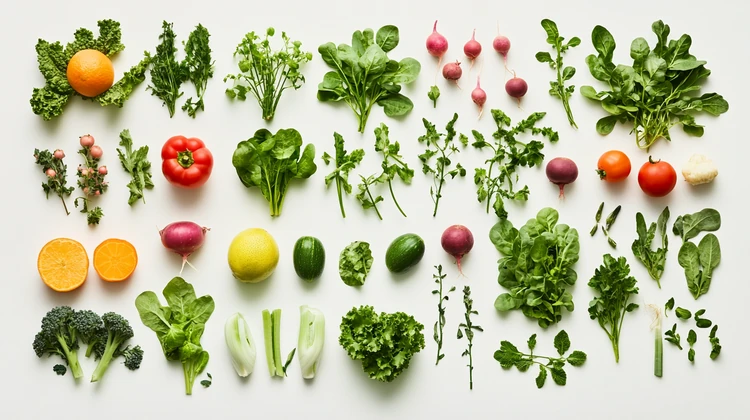
The surprising vegetables that deliver the biggest nutritional punch

“Eat your veggies!” "Yes, mom, but which one -- broccoli, asparagus, green beans, carrots, or (yuck) brussel sprouts?"

The Centers for Disease Control and Prevention (CDC) says that none of those are even in the Top 10 when it comes to the foods that can reduce chronic disease risk the best. None.

In a new study, the agency went behind the leaf of 47 fruits and vegetables and found that – despite traditional thinking that any veggie or fruit is good – not all meet the prevention mark they wanted to hit.

The CDC calls these “powerhouse” foods – foods that have a lot of good stuff for your body, like vitamins and minerals, but they don't have a lot of calories.

If you’re trying to lose weight or eat more of what can benefit you the most – or looking for vegetables and fruits that could also double as part of the MIND diet – here’s some data you can use to reframe your eating habits.

The losers

At the bottom of the list were some surprises like oranges and grapefruits and these 8 others:

Vegetable/Fruit

Nutrient Density Score of 20 or Below

Lemon

18.72

Iceberg lettuce

18.28

Strawberry

17.59

Radish

16.91

Winter squash (all varieties)

13.89

Orange

12.91

Lime

12.23

Grapefruit (pink and red)

11.64

Rutabaga

11.58

Turnip

11.43

Blackberry

11.39

Leek

10.69

Sweet potato

10.51

Grapefruit (white)

10.47

The okay, but not great

In the middle were 14 fruits and vegetables that you probably think would actually have a higher score.

Vegetable/Fruit

Nutrient Density Score of 20 to 50

Chive

54.80

Kale

49.07

Dandelion green

46.34

Red pepper

41.26

Arugula

37.65

Broccoli

34.89

Pumpkin

33.82

Brussels sprout

32.23

Scallion

27.35

Kohlrabi

25.92

Cauliflower

25.13

Cabbage

24.51

Carrot

22.60

Tomato

20.37

The big winners

The vegetable/fruit that hit a walk-off homer was something you’ve probably never bought – watercress. 

Watercress falls into the same category – cruciferous vegetables – that broccoli, kale, Chinese cabbage, arugula, and Brussels sprouts do.

Nutritionists love watercress for the amount of energy — or calories — its nutrient density provides.

“A nutrient density score is essentially a numeric value given to rate how nutritious certain foods are,” says Dana Ellis Hunnes, Ph.D., a senior dietitian at UCLA Medical Center and assistant professor at the UCLA Fielding School of Public Health.

Hunnes adds that the more nutrient-dense a food is, the more vitamins, minerals, and antioxidants it has per calorie per gram, 

Watercress has another secret. It contains diindolylmethane (DIM) and sulforaphane, two compounds which researchers have linked to a lower risk of cancer. Then, there’s vitamin K, an unheralded superhero of sorts which  helps your blood clot properly when you get a cut, keeps your bones Schwarzenegger-strong, and some studies go as far as concluding that vitamin K could help you stay sharp and your arteries clean. 

The only thing that watercress possibly fails in is fiber. While it contains fiber, it only has about a fifth of what a cup of cooked broccoli has. 

Vegetable/Fruit

Nutrient Density Score of 50 to 100

Watercress

100.00

Chinese cabbage

91.99

Chard

89.27

Beet green

87.08

Spinach

86.43

Chicory

73.36

Leaf lettuce

70.73

Parsley

65.59

Romaine lettuce

63.48

Collard green

62.49

Turnip green

62.12

Mustard green

61.39

Endive

60.44

Chive

54.80

So, is there a pill or drink that gives you all of the good stuff?

Short of setting up a tent in the produce aisle at Whole Foods, how can someone get the best of these foods in the easiest fashion possible?

There’s not a single pill, but you could probably find a dozen different ones and take all of those. When it comes to powders, a lot of protein mixes load themselves up with bits and pieces of most of these, but to what degree? 

Then, there’s V8. When William Gilbert Peacock concocted V8 juice back in 1933, his idea was to give people an easy, drinkable way to get the benefits of vegetables in their diet. Building on a base of tomato juice, Peacock added in seven other vegetables that he thought would accomplish his goal and, given the CDC’s study, he was pretty close.

Of its seven vegetables, V8 has five that are in the Top 10. The only misses are carrots – still in the mid-range – and celery, which either didn’t make the grade or wasn’t studied.