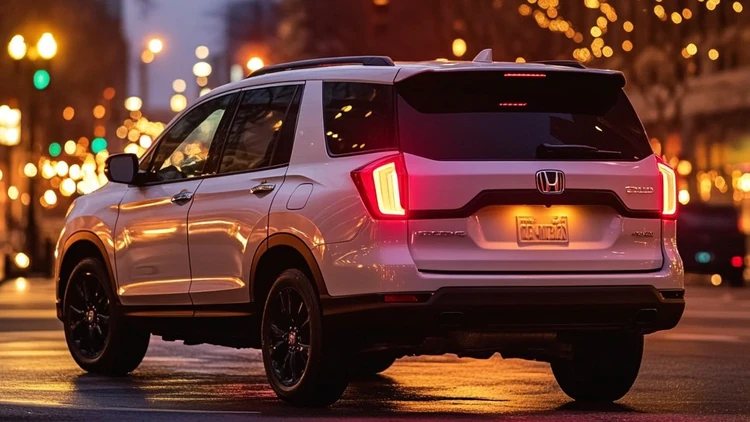

The National Highway Traffic Safety Administration (NHTSA) announced Friday it has launched an engineering analysis into 2.2 million Honda vehicles following hundreds of complaints about engines failing to restart after stopping at traffic lights or intersections.
The investigation focuses on Honda’s Auto Idle Stop (AIS) system, a fuel-saving feature that temporarily shuts off the engine when a vehicle is at a complete stop. Drivers say that in some cases, the engine does not automatically restart, leaving vehicles stranded in traffic. Several complainants reported needing to jump-start their vehicles to get them moving again.
The issue affects a range of Honda models, including:
Honda Pilot SUVs from model years 2016 to 2025
Honda Ridgeline pickups from 2020 to 2025
Additional models may be included as the investigation continues
Previous fixes under scrutiny
The NHTSA’s Office of Defects Investigation (ODI) has received 1,384 complaints related to the issue, including four incidents that led to crashes or vehicle fires and two incidents involving injuries.
While Honda issued a service bulletin in January 2023 offering a two-part fix for affected vehicles, the NHTSA says it has continued to receive complaints from drivers who had already received the repair. The new analysis will look into the effectiveness of Honda’s countermeasures and assess whether a more comprehensive recall is needed.
“This expanded probe will allow us to gather more data and determine whether the issue poses a significant safety risk,” an NHTSA spokesperson said.
What’s next for drivers
An engineering analysis is a more advanced stage of investigation that may lead to an official vehicle recall if a safety defect is confirmed. Honda has not issued a formal recall related to the AIS malfunction at this time but has said it is cooperating fully with NHTSA’s investigation.
Consumers experiencing similar issues are encouraged to report them through the NHTSA’s online complaint systemat nhtsa.gov.
This probe comes as auto regulators face growing scrutiny over electronic vehicle systems and the reliability of tech-based fuel efficiency features.