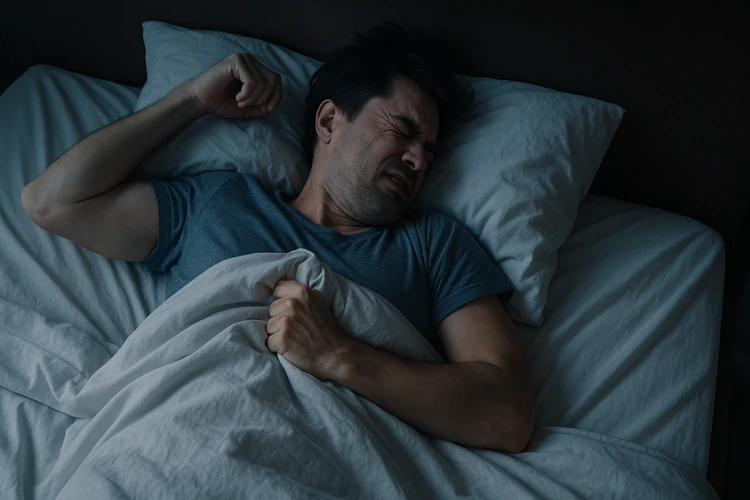

Most Americans struggle with sleep — and many say it’s hurting their daily life and productivity.
DIY sleep hacks are on the rise, but experts warn they can delay serious diagnoses like sleep apnea.
Better guidance is needed, as consumers want more help from doctors and reliable, science-backed resources.
A new proprietary survey of nearly 2,000 U.S. adults conducted by Aeroflow Sleep reveals a striking and concerning trend: while 81% of Americans say they struggle with sleep, many are turning to unverified online trends instead of seeking reliable medical help.
ConsumerAffairs interviewed Dr. Carleara Weiss, an Aeroflow Sleep Science Advisor, to better understand the findings, including how consumers can find clarity on their sleep struggles amid the noise.
Key findings from the survey
The survey found:
80% of respondents wish their doctors provided more sleep-related resources.
More than 60% say their sleep negatively impacts day-to-day activities and their ability to complete tasks.
About 60% have tried sleep trends without consulting a health care provider — including mouth taping and other DIY solutions.
Among women aged 60 and older with sleep problems, 55% did not seek any form of help, medical or otherwise.
Getting good sleep
When it comes to good sleep, Dr. Weiss defines “optimal sleep health” as good sleep quality, adequate duration (which varies by age), and absence of sleep disturbances. She points to three pillars for improvement:
Keep a consistent sleep and wake-up routine — going to bed and waking up at the same time every day.
Adults should aim for seven to nine hours of sleep per night.
Investigate possible sleep disturbances such as obstructive sleep apnea or insomnia if you experience symptoms like waking up with a headache or dry mouth, confusion, irritability, memory issues — or difficulty falling or staying asleep three or more nights per week for over three weeks.
Don’t take shortcuts
With so many sleep trends gaining popularity, Dr. Weiss urges consumers not to try to take the easy way out.
“Do not use medical devices or trendy sleep gadgets without consulting a doctor,” she explained. “This includes mouthguards, mouth tape, and medical supplements such as melatonin or vitamins. You may be delaying a sleep disorder diagnosis and impacting your overall wellness by inappropriate self-medicating.”
What should consumers do?
Dr. Weiss has some advice for consumers who want to get better sleep:
“Start by checking trusted websites,” she said. “Reputable sources for sleep health information include the Sleep Research Society and the American Academy of Sleep Medicine website, as well as scientifically reviewed blogs and web pages such as Aeroflow Sleep and the National Sleep Foundation.
“Avoid jumping on trending fixes. And if your sleep problems persist, consult a sleep specialist instead of relying on self-help shortcuts.”