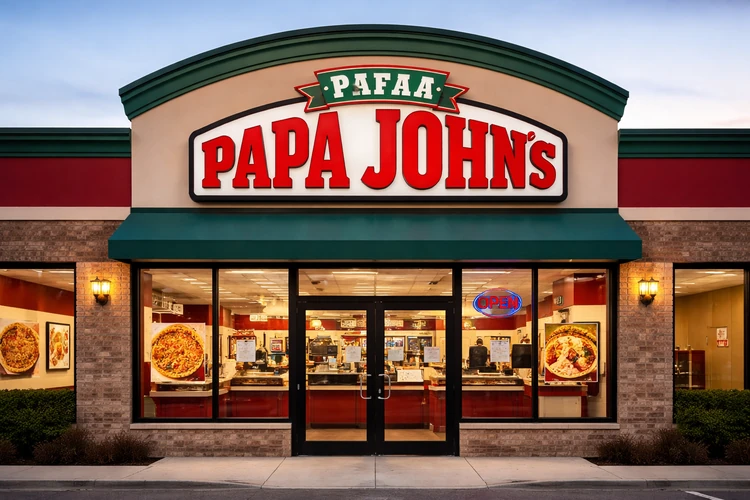

Papa John’s plans to close approximately 300 underperforming locations over the next 18 months.
The move is part of a broader restructuring effort aimed at stabilizing profits and improving franchisee performance.
Company executives say digital sales growth and streamlined operations will offset the reduced footprint.
The shakeout in the restaurant industry continues, as inflation-weary consumers order less takeout. Papa John’s International said this week that it will close roughly 300 restaurants across North America over the next year and a half, marking one of the largest footprint reductions in the company’s history.
The closures, which will primarily affect underperforming and overlapping locations, are part of a broader strategy to improve profitability and modernize operations, executives said during a quarterly earnings call.
Company officials said most of the targeted stores have struggled with declining sales, rising labor and food costs, and increased competition from national and regional pizza chains. Some closures will also involve markets where multiple Papa John’s locations compete for the same customer base.
Long-term trend of underperforming
Executives emphasized that the decision was made after a comprehensive review of store-level performance and market conditions. Officials said that about 70% of the closures involve restaurants that have consistently underperformed for several years.
The company did not specify which cities would be most affected but said the majority of closures would occur in the United States, with a smaller number in Canada.
The announcement comes as quick-service restaurant chains face mounting pressure from inflation, cautious consumer spending, and intensifying competition in the value meal segment.
Pizza chains in particular have been battling for market share as consumers shift toward delivery aggregators and discounted bundle deals. Larger rivals have ramped up promotions, squeezing margins across the industry.
Slower growth
Papa John’s has struggled in recent years to match the sales growth of competitors while also managing franchisee concerns about profitability. Same-store sales have been flat or slightly negative in several recent quarters, prompting renewed scrutiny from investors.
Papa John’s leadership said the restructuring will be accompanied by increased investment in technology, marketing, and loyalty programs. Digital orders now account for more than 65% of total sales, and the company plans to expand AI-driven ordering tools and personalized promotions.
Executives also outlined plans to streamline supply chain operations and renegotiate certain vendor contracts to reduce input costs.
Papa John’s operates more than 5,500 restaurants worldwide. The company said it expects the majority of closures to be completed by the end of next fiscal year.