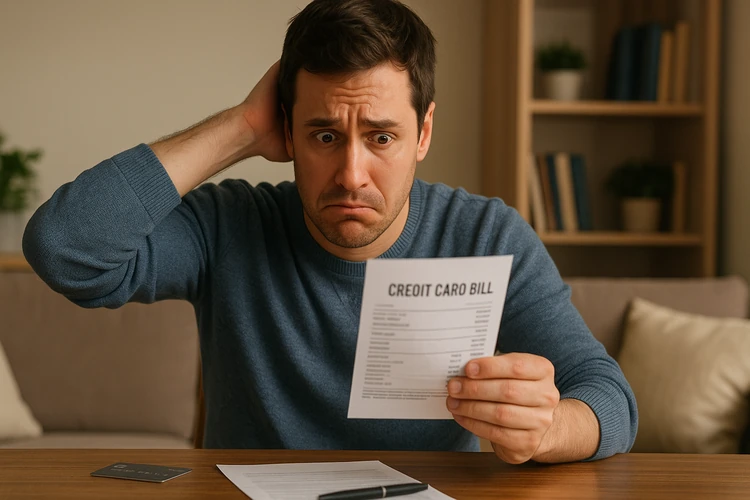

A new survey from TopCashBack revealed that nearly three in four consumers lie about their spending to their loved ones out of fear of judgment or conflict.
A consumer expert shared that emotions play a bigger role in spending than many may realize.
If you struggle to budget and are often overspending, there are tangible ways to start making better money choices.
If you have a spending problem, you’re not alone.
If you tend to hide that spending problem, you’re also not alone.
TopCashBack, a global cashback service, recently conducted a survey of 2,000 consumers across the country to get a better idea of the emotions behind overspending, including why people so often lie to their loved ones about how much they spend.
To break down the findings, and offer insights on how to stick to budgets, ConsumerAffairs spoke with TopCashBack’s consumer expert Destiny Chatman.
Where are people overspending?
The survey revealed that 73% of respondents – nearly three in four people – have lied about a purchase they made.
"Our survey shows people are most likely to overspend and then downplay the cost for tech, dining out, and fashion,” Chatman said.
“Almost half (47.3%) admitted to overspending on tech, 45.4% on dining and takeout, and 34.9% on fashion. These are everyday categories where it’s easy to blur the line between a want and a need, which makes them easier to justify and easier to hide."
Why are people lying about their spending?
Chatman said the majority of the reason for lying about spending comes down to a feeling of judgment or fear of conflict with a loved one.
"The main reason people lie is to avoid conflict with someone in their life,” Chatman said. “Nearly half (47.5%) said they lie to avoid conflict with a partner, parent, or friend, and 36.9% said they do it to feel less guilty.
“Emotions also play a big role. Excitement, boredom, and stress were the top drivers of overspending. When you combine emotional spending with fear of judgment, it makes sense that people feel the need to cover up what they buy."
Breaking the habit
If you relate to these survey findings, hope isn’t lost. Chatman says there are ways to break this habit and feel better about your spending.
"Recognizing the patterns is the first step,” she said. “Many people admitted they justify purchases with thoughts like ‘I’ll use it often’ (35.3%) or ‘I’ll regret it if I don’t buy it’ (31.5%). When you know these are common mental traps, it’s easier to pause and ask yourself if the purchase really matches your priorities.
“Making small shifts like using budgeting apps, shopping lists, or earning cash back when you shop can help turn those guilty splurges into smarter money habits."
Spending wisely
Chatman highlighted another key finding from the study that could help consumers feel less guilty about their purchases.
"One of the most surprising findings was that two-thirds (67.4%) believe they’d lie less about spending if they regularly earned savings or rewards,” she said. “That suggests that the guilt consumers feel isn’t always tied to buying something unplanned; it’s about feeling wasteful.
“When spending feels smarter and more rewarding, people are more confident and open about their habits. The takeaway is that you don’t need to stop treating yourself, but finding ways to do it wisely makes all the difference."