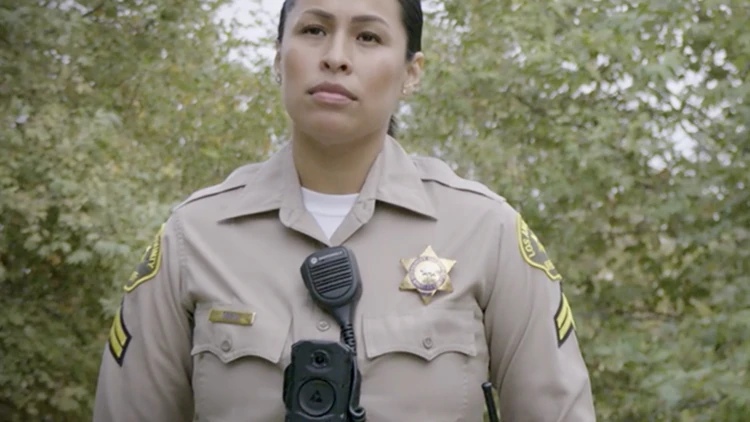

- County supervisors back new privacy rules for the Sheriff’s Department’s use of automated license plate reader
- The motion calls for deleting most plate data after 60 days and bans use for immigration enforcement
- The policy follows state debates over law enforcement’s data-sharing with federal agencies
Los Angeles County supervisors have voted to impose new privacy safeguards on how the Sheriff’s Department collects and shares license plate data, a move aimed at curbing potential misuse of information gathered by automated cameras on patrol cars and roadways. Los Angeles, with about 10 million residents, is the most populous county in the United States.
The board’s motion, led by Supervisor Hilda Solis, directs the Sheriff’s Department to train deputies annually on privacy rules, bar data from being used for non-criminal immigration enforcement, and delete most plate records after 60 days unless they are tied to criminal investigations.
The measure comes after CalMatters reported that several Southern California law enforcement agencies shared similar data with federal immigration authorities.
Sheriff’s department to review practices and report back
The Sheriff’s Department, which operates independently of the board, said it “welcomes” the motion and will review its policies. Deputies are expected to submit updates to the county by January. The department told CalMatters it currently has no arrangements to share data with federal agencies and operates more than 900 automated readers across the county.
California law already prohibits the sharing of plate data with federal or out-of-state entities and requires agencies to adopt privacy policies for their use. Still, a recent state investigation found numerous departments violating those rules, prompting legal action by Attorney General Rob Bonta.
Many provisions in the L.A. County measure mirror those in Senate Bill 274, a statewide proposal vetoed earlier this month by Gov. Gavin Newsom. The bill would have limited how long police can retain license plate data and required detailed justifications for each use.
Supervisor Solis said she introduced her county motion in part to show support for SB 274 before the governor’s decision. Board Chair Kathryn Barger voted against the measure, saying the 60-day retention limit could hamper criminal investigations.
Privacy concerns meet policing priorities
Despite disagreements, supervisors emphasized that automated readers remain valuable tools for recovering stolen cars and solving crimes — but only if the public trusts that their movements aren’t being tracked for unrelated purposes.
“As so many of our neighbors live in fear, sharing sensitive data only increases risks and erodes confidence,” said Los Angeles City Councilmember Eunisses Hernández, a critic of the technology’s use by the LAPD.
While the county motion applies only to the Sheriff’s Department, not city police, it underscores growing pressure statewide to balance law enforcement needs with privacy rights.