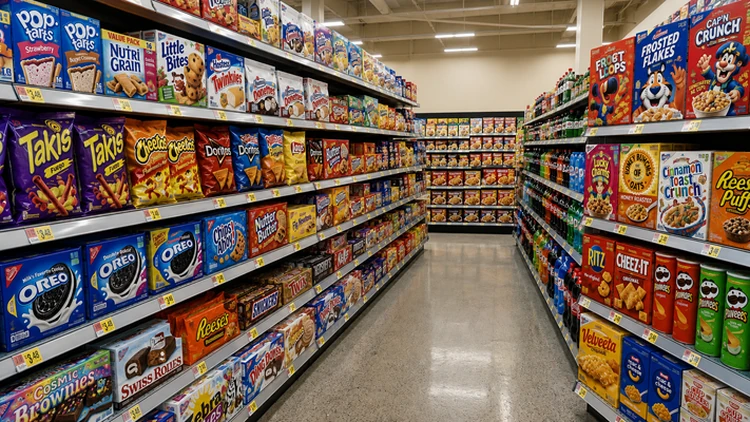

New research suggests the health risks of ultra-processed foods may stem not only from ingredients such as sugar, salt, and fat, but also from the industrial methods used to manufacture them.
Scientists found that “food matrix” changes caused by intensive processing can alter how the body digests and absorbs nutrients.
The findings could reshape how regulators, researchers, and consumers evaluate the health effects of ultra-processed foods.
For a long time, nutritionists have cautioned consumers about consuming too much ultra-processed food — things like chips, crackers, and frozen meals. That concern has largely focused on what they contain — excess sugar, sodium, unhealthy fats, and a long list of additives. But emerging research suggests another factor may be just as important: how those foods are made.
According to new findings cited by researchers, the industrial methods used to create ultra-processed foods may fundamentally change the structure of ingredients in ways that affect how the body responds to them. The research points to the possibility that manufacturing techniques themselves contribute to health risks associated with heavily processed foods.
Ultra-processed foods have been linked in numerous studies to obesity, type 2 diabetes, cardiovascular disease, certain cancers, and other chronic health conditions. While scientists have long suspected that high levels of sugar, salt, saturated fat, and additives play a major role, the latest work suggests the physical transformation of food during processing may also be significant.
Researchers say intensive manufacturing methods can alter a food’s “matrix” — the physical structure that affects how nutrients are packaged within the food. When those structures are broken down and rebuilt through industrial processing, foods may become easier and faster to consume and digest, potentially encouraging overeating and changing metabolic responses.
Designed to stimulate the brain
Scientists note that many ultra-processed foods are designed to be highly palatable and convenient, often combining ingredients in ways that stimulate the brain’s reward system. Some research suggests these products can be consumed more quickly and may provide less satiety than minimally processed foods, even when nutritional content appears similar on a label.
The findings add another layer to an ongoing debate over how ultra-processed foods should be defined and regulated. Public health agencies and researchers continue to examine whether health risks arise primarily from nutrient content, additives, processing techniques, or some combination of all three.
Ultra-processed foods now account for more than half of the calories consumed by the average American, making the question increasingly important for policymakers and consumers alike. Researchers say understanding the role of industrial processing could help explain why some foods with similar nutrient profiles produce different health outcomes.