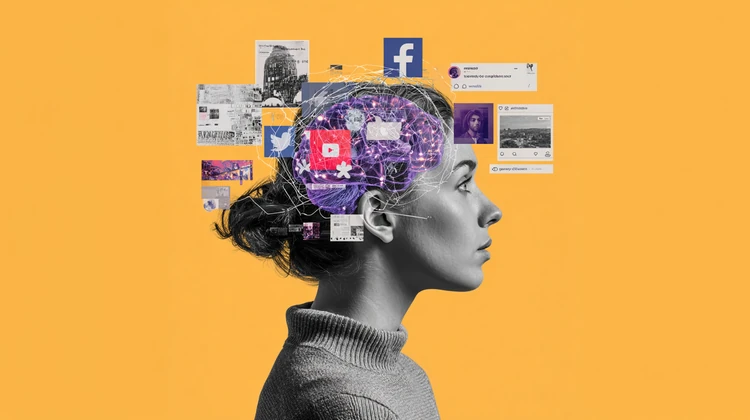

A new study found that taking a two-week break from smartphone internet use improved focus, sleep, mood, and anxiety levels surprisingly fast.
Researchers said the improvement in attention span was roughly equal to reversing 10 years of normal cognitive aging.
Experts recommend small changes like turning off notifications, moving social apps off your home screen, and keeping phones out of the bedroom at night.
New research suggests cutting smartphone use can improve focus, mood, sleep, and mental health surprisingly fast.
Most people know spending hours doomscrolling every day probably is not helping their brain. But new research suggests the impact may be much bigger than people realize.
But the good news is that even a short break from social media and smartphone use could dramatically improve focus, anxiety, sleep, and overall mental health.
A study published in PNAS Nexus followed 467 adult participants (average age of 32) who blocked internet access on their smartphones for two weeks while still allowing calls and texts.
Researchers found participants experienced:
- Improved attention spans
- Lower anxiety
- Better mood
- Better sleep
- Reduced depression symptoms
Perhaps the most eye-opening finding was that researchers saw an improvement in the sustained attention span of the participants. It was roughly the equivalent of reversing 10 years of normal age-related cognitive decline.
Another Harvard-linked study published in JAMA Network Open found that reducing smartphone use for just one week led to:
- A 16% drop in anxiety
- A nearly 25% reduction in depression symptoms
- Better overall sleep quality
Why smartphones hit the brain differently
Researchers say smartphone use may be uniquely harmful because our phones are always with us.
Unlike computers, phones constantly interrupt conversations, meals, family time, and sleep routines and are described as more “compulsive and mindless” than traditional computer use.
Not to mention the fact that social media feeds are designed specifically to keep users endlessly scrolling. The result is that many people never fully let their brains rest.
How to do a realistic 'brain reset' without disappearing from society
The good news is researchers are not saying people need to live off the grid in Montana or throw their iPhones into the ocean.
In fact, many study participants still saw cognitive improvements even when they didn’t fully follow the rules perfectly. The big takeaway here is that experts say that even small, consistent changes can make a noticeable difference.
Here are six things to consider if you want to try your own brain reset.
1. Move social media apps off your home screen
One of the easiest ways to reduce compulsive scrolling is making certain apps slightly harder to access.
Specifically, move apps like TikTok, Instagram, Facebook, X, and YouTube into folders or secondary screens (not the screen you see when you first open your phone).
That tiny bit of friction helps interrupt automatic scrolling habits that we tend to engage in.
Pro tip: Many people instinctively open social media without even thinking about it. Simply hiding the apps that you tend to always tap can dramatically reduce screen time.
2. Turn off nearly all notifications
Notifications train your brain to constantly expect interruptions and they give you a little dopamine hit when you hear or feel an alert from your phone.
Experts recommend disabling the following:
- Social media alerts
- Shopping app notifications
- News alerts
- Breaking news banners
- Random promotional notifications
Keep only the essentials. Think: calls, texts, calendar reminders, and important family alerts.
Many people are shocked how much calmer their brain feels after just 24 hours without nonstop buzzing and notifications.
3. Stop bringing your phone everywhere
One major finding from researchers is that phones damage attention partly because they seem to follow us everywhere.
Try leaving your phone behind during short walks, grocery trips, meals, your kids’ sports practices, coffee runs, and when you enter the bathroom (yes, even the bathroom).
Even 20 to 30 minutes of no-phone time can help your brain do a much-needed reset.
4. Make your bedroom a ‘low phone’ zone
Sleep patterns is one of the biggest areas where smartphones quietly do damage.
Scrolling late at night does the following:
- Delays sleep
- Increases mental stimulation
- Raises stress levels
- Reduces sleep quality
Experts recommend trying to:
- Charge phones outside the bedroom
- Use a real alarm clock
- Avoid scrolling 30-60 minutes before bed
It’s worth noting that many people report the biggest mental-health improvement simply from stopping nighttime doom scrolling right before they try to go to sleep.
5. Use blocking apps instead of relying on willpower
Researchers in the study used an app called Freedom to block internet access during the experiment.
Other popular apps worth checking out include:
- Opal
- ScreenZen
- Forest
- Apple Screen Time
- Android Digital Wellbeing
These are all considered "blocking apps," and they work by blocking access to specific apps or websites that you choose ahead of time.
For example, if you try opening Instagram or YouTube during your pre-determined blocked hours, the app either won’t load or it will show a “blocked” screen instead.
6. Replace scrolling with something physical
One reason social media becomes addictive is because people reach for their phones during every tiny moment of boredom.
Experts recommend replacing that reflex with one of these activities:
- Walking
- Stretching
- Reading
- Cooking
- Journaling
- Music
- Short workouts
- Face-to-face conversation
Even simple offline activities like these can help re-train your attention span in a positive way.
Why cutting back may help your wallet too
Reducing social media use can also help consumers spend less money and avoid impulse spending.
Constant scrolling exposes us to influencer marketing, flash sales, personalized ads, and endless product recommendations.
Pro tip: Try a “low-buy weekend” where you avoid both social media and online shopping apps for 48 hours. Many people realize how much unnecessary spending is tied directly to boredom scrolling.
The bottom line
The research does not suggest smartphones are inherently bad.
But the growing evidence suggests nonstop social media and smartphone internet use may be affecting focus, mood, sleep, anxiety, and even spending habits far more than many people realize.
And according to researchers, even a short break may help the brain recover surprisingly quickly.