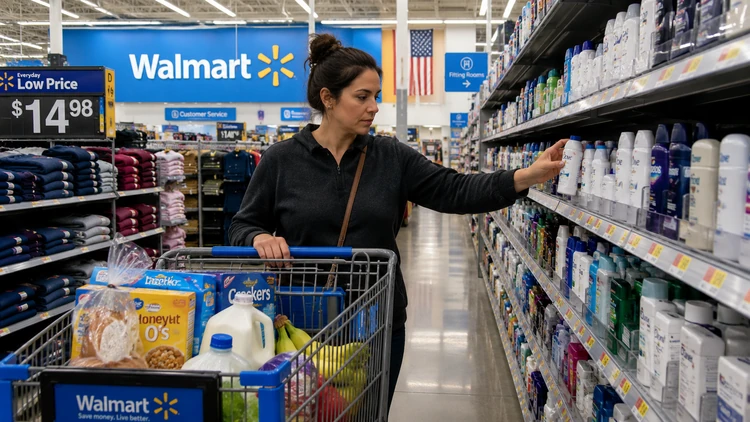

Walmart executives said financially stressed consumers are showing signs of caution, with shoppers pulling back on discretionary purchases and relying more heavily on necessities and value-oriented products.
The retailer said it plans to respond by emphasizing low prices, expanding private-label offerings, and using its scale to keep grocery prices competitive.
Walmart’s comments are being closely watched because the company serves a broad cross-section of Americans and is often viewed as a barometer of consumer health.
As retailers go, Walmart is a pretty good barometer of the American consumer's health. This week, the company warned that many consumers are becoming more selective about spending, as economic pressures continue to weigh on household budgets. This is prompting the nation’s largest retailer to sharpen its focus on value and affordability.
During the company’s recent earnings call, executives described shoppers as increasingly price-conscious, prioritizing essentials such as groceries and household basics while cutting back on discretionary purchases. Walmart officials said the trend is especially pronounced among lower- and middle-income households, though signs of caution are spreading across income groups.
Chief Financial Officer John David Rainey told investors on an earnings call that more customers at Walmart gas pumps are buying less than 10 gallons, calling it an indication of stress.
"We see with our customers that the high-income customer is spending with confidence, while the lower-income consumer is more budget-conscious and perhaps navigating financial distress," Rainey said.
How Walmart plans to help
During the earnings call, Walmart executives said they are discussing a way to relieve some of the pressure. They said refunds of tariffs they paid before the levies were overturned in court may be used to lower prices on some items.
"We think that the single best return that we can have on a dollar of capital right now is to invest in the customer, invest in price," Rainey said.
Although inflation has cooled from its peak levels, many consumers remain frustrated by the cumulative rise in everyday expenses over the past several years. The surge in gas prices over the last two months is adding to the burden.
To address customers’ changing behavior, Walmart said it plans to lean heavily into the strategy that has helped it gain market share during previous periods of economic stress: emphasizing low prices and convenience.
Executives said the company will continue investing in aggressive pricing, particularly in grocery aisles, where Walmart competes directly with supermarket chains and discount retailers. The company also plans to expand its private-label brands, which typically offer consumers lower-priced alternatives to national brands, while generating higher profit margins for Walmart.