
U.S. drivers are now paying about $3.70 per gallon on average, up sharply since the start of the Iran war in late February.
Gas prices have climbed roughly 70 cents nationwide since the conflict began, according to industry and government data.
The surge is tied to oil prices above $100 per barrel and fears that fighting could disrupt a key global shipping route for crude.
On February 28, the national average price of regular gasoline was just below $3 a gallon. After 16 days of fighting against Iran, the average price has surged to $3.70 a gallon, a 23% rise.
It has not only been a sudden shock to motorists, but it has also raised concerns about inflation and the broader economy.
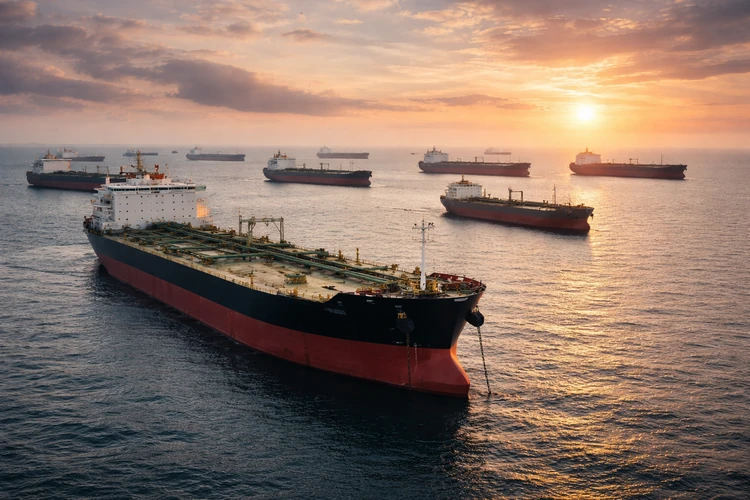
In short, fuel prices are surging because of supply concerns. Iran controls the Strait of Hormuz, a narrow passage that tankers loaded with Mideast oil must move through. That oil is being bottled up in the Persian Gulf, unable to reach refineries around the world.
As a result, gasoline prices have climbed quickly, as oil markets reacted to the war. Early in the conflict, U.S. drivers were paying roughly $2.98 to $3.00 per gallon, but the national average soon crossed $3.50 and continued rising.
In some areas, the increases have been even steeper:
California averages have climbed above $5 per gallon.
Some stations in Los Angeles have charged more than $8 per gallon during supply shocks.
Overall, gasoline prices nationwide have risen about 70 cents since the war began, according to industry data.
Oil supply fears driving the surge
The main driver of higher fuel costs is the surge in crude oil prices. Brent crude recently climbed above $100 per barrel, the first time since the early stages of Russia’s invasion of Ukraine in 2022.
Energy analysts say the conflict threatens global oil supply in several ways. Fighting and attacks around the Persian Gulf have disrupted shipping and energy infrastructure, while the Strait of Hormuz — through which about 20% of the world’s oil normally flows — has faced blockades and military threats.
When crude oil prices rise, gasoline usually follows because refined fuels are produced directly from crude. Economists warn that if the conflict continues, higher energy costs could ripple through transportation, food, and consumer goods' prices.
For example, the price of diesel fuel, used by large trucks, has risen even faster than the price of gas. Those higher transportation costs will soon show up in the prices of everything from groceries to smartphones.
Relief may take time
Federal officials say prices could remain elevated for weeks while markets stabilize. The U.S. and its allies are planning to release large amounts of oil from strategic reserves to ease shortages, though analysts say that may only provide temporary relief.
Energy Secretary Chris Wright has cautioned that there are “no guarantees” gasoline prices will fall quickly, citing ongoing instability in the Middle East and uncertainty around oil shipments.