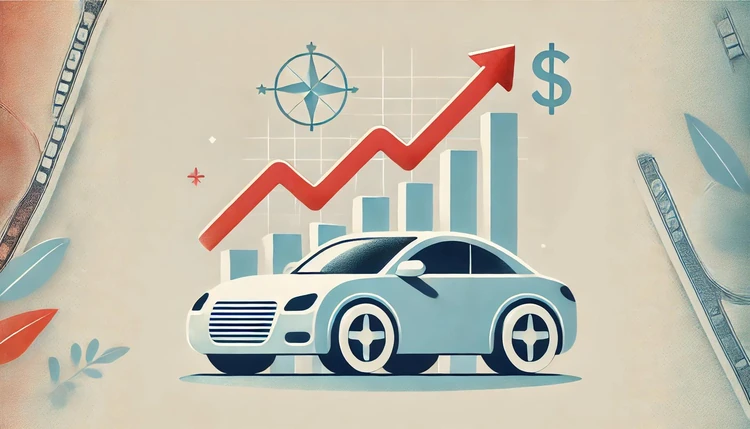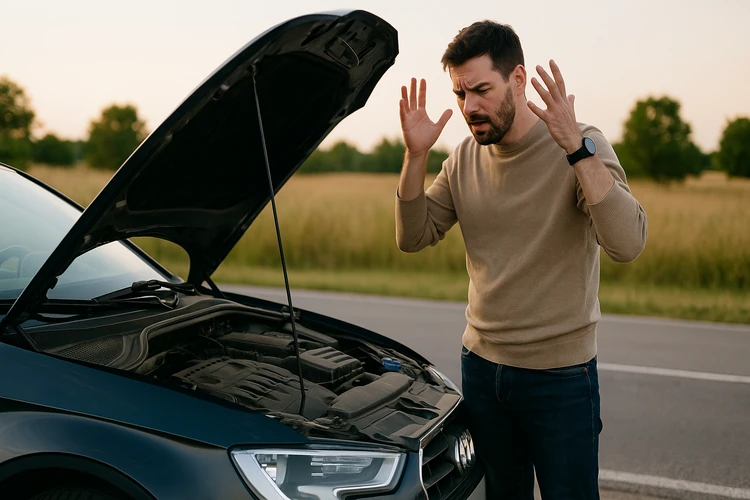
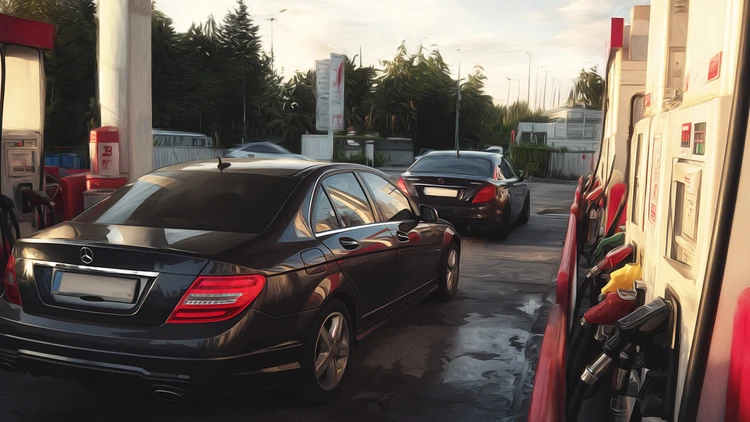
National average for gas sits at $3.16, holding flat for the week and down sharply from a year ago.
Stable crude oil prices and rising gasoline supply keep pump prices subdued.
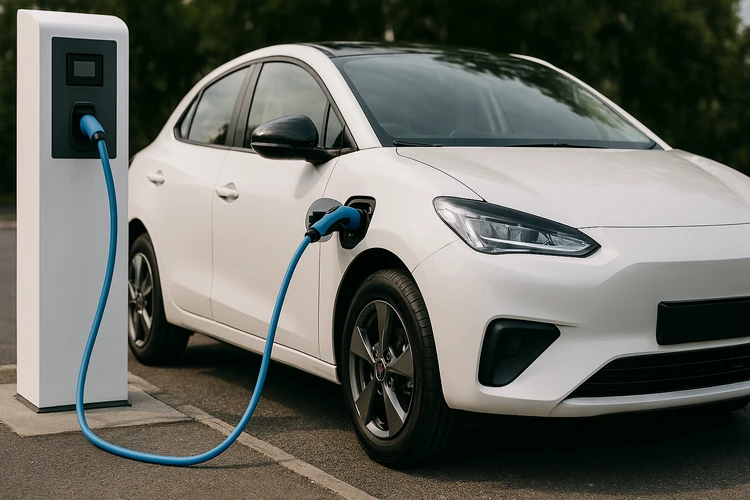
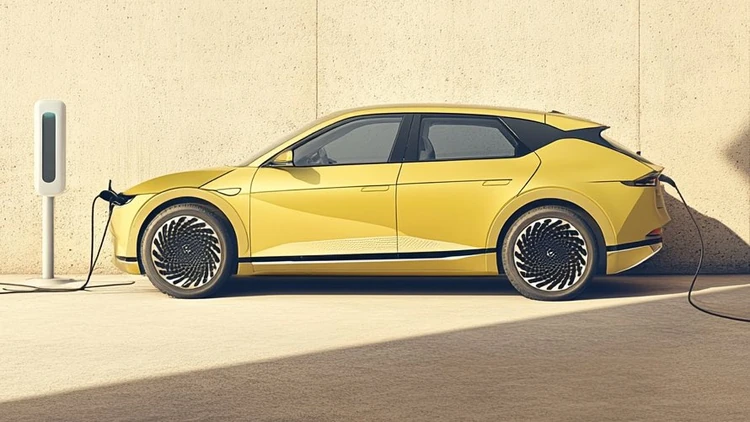
EV charging costs remain unchanged, with state-by-state variations continuing to shape the affordability map.
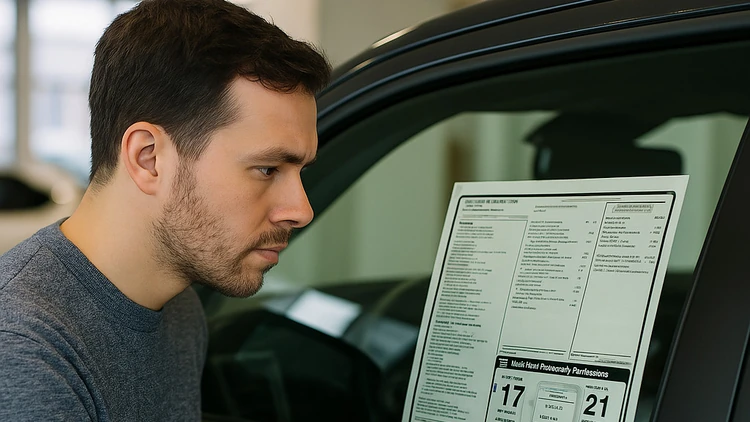
Drivers across the U.S. are enjoying a calm, steady stretch at the gas pump this summer, with the national average for a gallon of regular gas ticking in at $3.16 — virtually unchanged from a week ago and significantly below 2024 levels.
Gas prices, which historically fluctuate in summer months, have shown little volatility in 2025. Crude oil remains relatively cheap, averaging about $65 per barrel. Compared to last month, when gas averaged $3.22, and a year ago, when it was $3.51, this summer’s fuel landscape is notably easier on the wallet.
Fuel demand rises, but prices stay grounded
According to the latest data from the Energy Information Administration (EIA), gasoline demand rose last week from 8.48 million to 8.96 million barrels per day. Despite this uptick, prices have not spiked — a reflection of an ample domestic gasoline supply and increased production, which averaged 9.4 million barrels per day.
Crude oil inventories, meanwhile, saw a modest decline of 3.2 million barrels last week. Total U.S. crude reserves now stand at 419 million barrels — about 9% below the five-year seasonal average. Even with this dip, oil prices remain stable, with West Texas Intermediate (WTI) crude settling at $65.25 per barrel as of Wednesday.
State-by-state
Price differences between states remain stark. California leads the pack with the highest average gas price at $4.48 per gallon, followed closely by Hawaii ($4.46), Washington ($4.38), and Oregon ($3.98). On the other end of the spectrum, Mississippi drivers pay just $2.70 per gallon — the cheapest in the nation — with Louisiana, Oklahoma, and Texas close behind.
Electric vehicle drivers also saw no change in pricing, with the national average at public charging stations remaining at 36 cents per kilowatt hour. However, regional differences continue to matter. West Virginia tops the list for the highest average charging rate at 52 cents/kWh, while Kansas offers the most affordable rate at just 25 cents/kWh.
Planning Ahead
For travelers mapping out summer road trips, the AAA TripTik Travel planner remains a helpful tool for identifying current gas and EV charging prices along any route — a useful feature in a season marked by cost-conscious driving.
With pump prices flat and no major oil shocks on the horizon, the summer of 2025 is shaping up to be one of the calmest fuel-wise in recent memory.