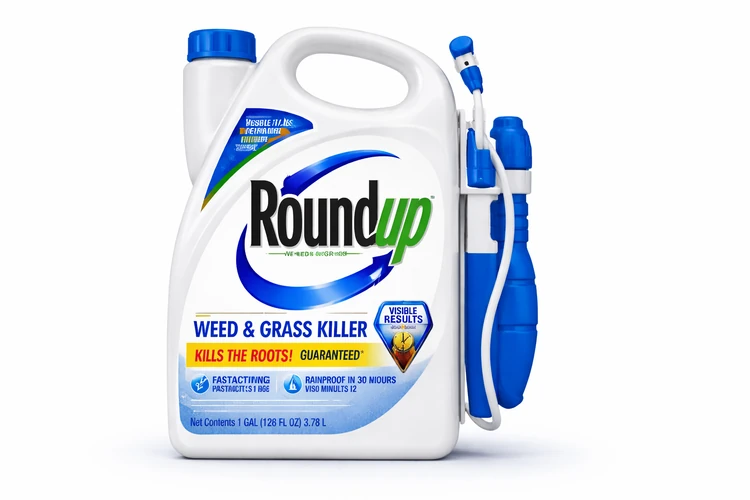
A 25-year-old study long used to defend glyphosate’s safety was formally retracted last month
Journal editors cited ethical concerns and undisclosed industry involvement
The reversal comes as the EPA faces a 2026 deadline to reassess the widely used herbicide
A landmark scientific paper published in 2000 that helped cement glyphosate’s reputation as a safe herbicide has been formally retracted, reopening long-simmering questions about the science underpinning one of the most widely used weedkillers in American agriculture.
The study, which concluded that glyphosate — the active ingredient in Roundup — posed no meaningful risk to human health, was cited for decades by regulators and researchers as evidence that the chemical could be safely used on crops ranging from corn, soybeans and wheat to almonds and cotton. The Environmental Protection Agency has repeatedly relied on that body of science in determining that glyphosate does not cause cancer.
Last month, the journal Regulatory Toxicology and Pharmacology withdrew the paper, citing “serious ethical concerns regarding the independence and accountability of the authors.” The decision has intensified scrutiny of glyphosate just as the EPA faces a court-ordered deadline in 2026 to re-examine the herbicide’s safety, The New York Times reported.
A study that shaped regulation
The 2000 paper was a scientific review conducted by three researchers presented as independent experts. For years, it was widely referenced in regulatory assessments and academic literature, becoming a cornerstone of policies that deemed glyphosate safe for widespread use.
But emails disclosed through litigation against Monsanto, the herbicide’s original manufacturer, later revealed that company scientists played a significant role in shaping the study. The correspondence showed Monsanto employees discussing data collection, drafting, and revisions, and expressing hope that the paper would become the definitive reference on glyphosate safety.
Monsanto was acquired by Bayer in 2018 for $63 billion.
In retracting the study, the journal’s editor in chief, Martin van den Berg, said the paper relied heavily on unpublished Monsanto studies and failed to disclose apparent financial ties between the authors and the company. Beyond a brief acknowledgment that Monsanto provided scientific support, the article did not list conflicts of interest.
“As a result,” Dr. van den Berg said, “I have lost confidence in the results and conclusions of this article.”
Industry response and scientific backlash
Bayer disputed the journal’s findings, saying Monsanto’s role in the paper “did not rise to the level of authorship” and was properly disclosed. Brian Leake, a Bayer spokesman, said glyphosate is “the most extensively studied herbicide over the past 50 years” and that most published research involved no company participation.
The sole surviving author of the paper, Gary M. Williams of New York Medical College, did not respond to requests for comment.
Public health researchers said the retraction represents a major correction to the scientific record. Dr. Philip J. Landrigan, a pediatrician and epidemiologist at Boston College, called it “a seismic, long-awaited correction.”
“It pulls the veil off decades of industry efforts to create a false narrative that glyphosate is safe,” Dr. Landrigan said. He recently chaired an advisory committee for a global study that found low-dose exposure to glyphosate-based herbicides caused leukemia in rats.
Regulatory pressure builds
Glyphosate has long been controversial. In 2015, the World Health Organization’s International Agency for Research on Cancer classified it as “probably carcinogenic to humans.” Traces of the chemical have been detected in foods such as bread and cereal and in the urine of adults and children, though residue levels in some foods have declined after companies stopped spraying glyphosate shortly before harvest.
Laboratory tests dating back to the 1980s raised early red flags, and studies of Midwestern farmers later found higher rates of certain cancers. Large-scale aerial spraying of glyphosate in Colombia during U.S.-backed coca eradication efforts also led to widespread reports of illness.
Critics say the retracted paper appears in bibliographies of past EPA risk assessments and should prompt immediate action. Dr. Bruce Lanphear, an expert in environmental neurotoxins, said the agency should reopen its decision and impose penalties reflecting “medical costs and human suffering.”
An EPA spokesman said the agency was aware of the retraction and emphasized that its assessments were not based on a single study. The agency does not intend to rely on the withdrawn paper going forward, he said.
Meanwhile, thousands of plaintiffs have sued Monsanto, alleging that Roundup caused non-Hodgkin lymphoma. Bayer has paid more than $10 billion to settle roughly 100,000 claims, without admitting wrongdoing, and continues to sell the product as regulatory and legal scrutiny intensifies.