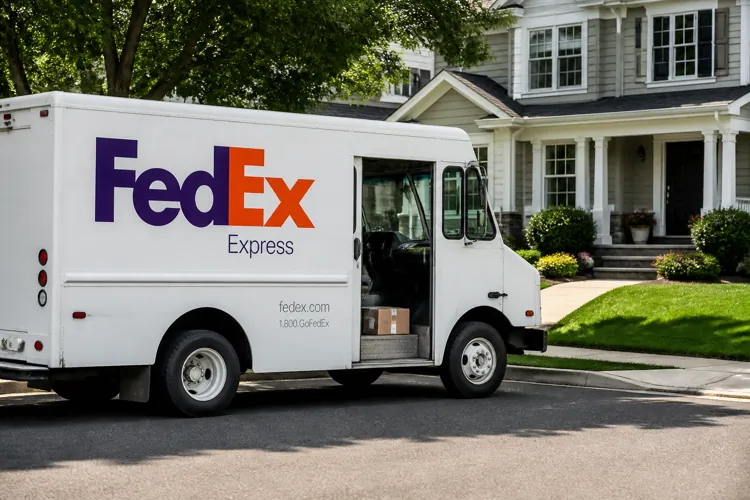

FedEx, UPS, and DHL are returning tariff refunds directly to customers who were explicitly charged import duties, while Amazon says it will issue refunds in a limited number of cases.
Walmart, Target, Costco, and several other retailers say customers will benefit indirectly through lower prices or better value rather than receiving checks.
Other companies are largely keeping the windfall or using it for business expenses and investments, raising questions about who should benefit from billions of dollars in refunded tariffs.
American companies continue to receive billions of dollars in refunds for tariffs they paid last year, but what they are doing with the money continues to evolve. Whether any of that money makes its way back to consumers depends heavily on where they shopped — and how the tariff was originally charged.
The refunds stem from the Supreme Court's February decision striking down many of the tariffs President Trump imposed in 2025 under the International Emergency Economic Powers Act. The federal government is expected to refund roughly $166 billion collected under the invalidated tariffs. As of August, about $100 billion had already been returned, according to government court filings.
The catch for consumers is that the government isn't sending the money to them. Tariffs are technically paid by importers, so the refunds go to the companies that made those payments — even when businesses passed some or all of the original cost along to shoppers through higher prices. That has left companies to decide what happens next.
The companies giving customers money back
The clearest cases involve package delivery companies. FedEx, UPS, and DHL sometimes acted as customs brokers on packages purchased overseas. When a consumer owed a $50 tariff, for example, the shipping company could pay the government and then collect the $50 directly from the customer.
All three companies have pledged to return refunded tariffs to the customers who actually paid them. FedEx has begun processing refunds after receiving hundreds of millions of dollars from the government, while UPS and DHL have also said they are passing reimbursements along as their claims are processed.
Amazon is taking a somewhat similar approach, but only in limited circumstances. The company received about $600 million in tariff refunds during the second quarter. Amazon CFO Brian Olsavsky said the company has identified cases in which it can trace a specific import charge that was passed directly to a customer. Those customers will be contacted and automatically refunded. In other cases, Amazon says the money will be used to support lower prices.
Walmart is cutting prices instead
Walmart isn't writing refund checks to shoppers. The nation's largest retailer has received about $2.9 billion in tariff refunds and says much of that money is being put into lower prices. Walmart recently said it had rolled back prices on about 11,000 items.
That's an important distinction. A shopper who paid more for an imported product last year won't necessarily get that money back. Instead, today's shoppers may benefit from lower prices on other purchases.
Target is taking a similar approach. The retailer received $994 million in tariff refunds in its second quarter and has indicated the money will help it keep prices down rather than fund direct reimbursements.
Burlington, which received about $55 million, has said it plans to reinvest the money to improve the value of its merchandise. Tractor Supply is using tariff refunds to absorb higher freight and fuel costs, while offering promotions and reducing prices on some products.
Beauty company e.l.f. is going even further. After receiving about $50 million in refunds, the company experimented with price reductions and ultimately made cuts permanent on about 10% of its product lineup after finding that lower prices increased sales on some products.
Costco promises customers will benefit
Costco has taken one of the strongest positions among major retailers, saying it intends to return to members, in some form, tariff costs that were passed along to them. But that doesn't necessarily mean Costco members should expect a check.
CEO Ron Vachris has said the warehouse retailer may return the value through lower prices and better deals. The exact approach will depend on how much Costco ultimately receives, and other factors, including pending litigation over the refunds.
And then there are companies keeping the money
Many companies have made no commitment to directly reimburse customers.
Retailers reporting sizable refunds include Home Depot, which received about $730 million; TJX, parent of T.J. Maxx and Marshalls, with about $331 million; Ross Stores, with about $253 million; and Lowe's, with about $80 million. Some companies have described the refunds primarily as a way to offset higher costs or support their businesses rather than as money to be returned directly to past customers.
Apple represents another approach. The company reportedly received an estimated $2.2 billion tariff benefit and has said the money will support investment in U.S. manufacturing rather than consumer refunds.