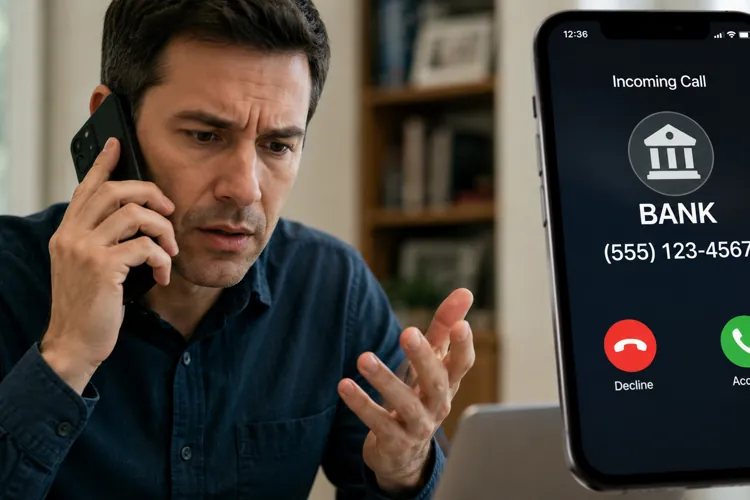

A convincing scam: Even CBS News correspondent Matt Gutman nearly fell for fraudsters posing as his bank.
Watch for red flags: No legitimate bank will ask you to withdraw cash, keep a secret, or act immediately.
Protect yourself: Hang up and call your bank using the number on the back of your card or via their official app.
Scammers are getting so convincing that even veteran journalists who regularly report on fraud can be fooled.
That's exactly what recently happened to CBS News chief correspondent Matt Gutman, who shared how he nearly fell victim to an elaborate bank scam after receiving what sounded like a legitimate fraud call.
The caller said they were from “fraud protection” at his bank and knew all of his personal details. The caller then claimed that hackers were targeting his account, and actually convinced him to head to his local bank to withdraw all of his money in cash as part of a supposed law enforcement "sting operation."
Fortunately, Gutman realized something was wrong before completing the transaction, avoiding what could have been a big loss. If he had withdrawn the cash, the scam probably would have ended with him being robbed in the parking lot or robbed elsewhere after leaving with the money.
The incident serves as a reminder that today's scammers rely less on obvious red flags and more on psychology, urgency, and stolen personal information.
Here are six smart ways to protect yourself.
1. Never trust caller ID
Scammers can now easily "spoof" phone numbers to make it appear like they're calling from your bank, credit card company, or even a government agency. Seeing your bank's name on your phone no longer means the call is legitimate.
Pro tip: Hang up and call the number on the back of your debit or credit card. Do not dial the number that just called you.
2. Treat urgency as a warning sign
Fraudsters want you to panic before you have time to think.
If someone says your money is in immediate danger and demands instant action from you, slow down for a moment. Real banks may alert you to suspicious activity, but they won't pressure you into making rushed financial decisions.
3. No legitimate bank will ask you to withdraw cash
This was the biggest red flag in Gutman's experience.
Banks do not ask customers to empty their accounts, carry around thousands of dollars in cash, or help catch criminals by participating in undercover operations. If someone tells you otherwise, it's almost certainly a scam.
4. Never keep secrets from your bank
Gutman said the caller instructed him not to tell bank employees about the situation because they might be involved.
That's a classic scam tactic.
Real fraud investigators want bank employees involved — not excluded. Anyone telling you to keep a transaction secret is trying to prevent someone from stopping the scam.
5. Pause before taking action
One of the easiest ways to beat scammers is to create a delay.
Tell the caller you'll call back. Talk with a trusted family member. Visit your bank branch independently and explain what happened. A five-minute pause can save thousands of dollars.
6. Strengthen your defenses before scammers call
Don't wait until you're targeted.
Enable account alerts for large withdrawals and unusual transactions, use strong unique passwords for financial accounts, and turn on multi-factor authentication whenever available. Review your statements regularly so you can catch unauthorized activity quickly.
The bottom line
Today's fraudsters don't rely on bad grammar or suspicious emails anymore. They often sound polished, know personal details about you, and create believable stories designed to override your common sense.
The safest habit is simple: whenever someone contacts you about your money, end the conversation and contact your bank using a trusted phone number or its official mobile app. That one step can stop even the most sophisticated scam before it costs you a dime.