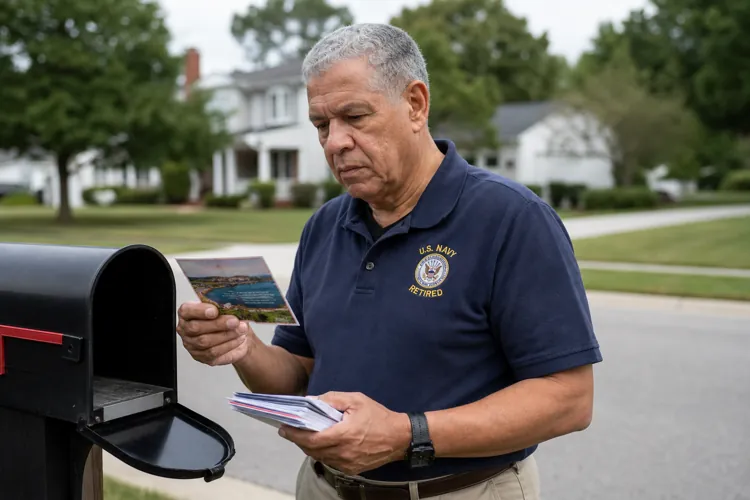

The Department of Veterans Affairs is warning veterans about a new postcard scam falsely promising "extra VA benefits" through a fake "Veterans Savings Program."
The fraudulent mailers use high-pressure tactics to persuade recipients to call scammers, who then seek Social Security numbers, banking information, and other sensitive personal data.
VA officials say legitimate benefit changes are never communicated through unsolicited postcards and urge veterans to verify any claims directly with the agency.
America’s military veterans now have another enemy to worry about. Stealthy scammers have targeted veterans with a new mail scam that falsely promises additional government benefits while attempting to steal sensitive personal information.
According to the VA, scammers are sending official-looking postcards promoting a fictitious "Veterans Savings Program." The mailers claim that veterans or their spouses qualify for extra VA benefits or monthly payments, including CHAMPVA, TRICARE, and dental coverage, regardless of their disability rating. The agency says no such program exists.
The postcards often create a sense of urgency, instructing recipients to call a phone number within just a few days to avoid missing out on the supposed benefits. Once veterans call, the scammers typically praise their military service to build trust before requesting personal information such as Social Security numbers, bank account details, and other identifying information.
Don’t engage with this enemy
The VA said it is monitoring the scam and urged veterans not to engage with unsolicited contacts or call unverified phone numbers.
Officials emphasized that veterans should never provide personal or financial information over the phone or online to someone whose identity cannot be verified. Legitimate VA communications do not pressure recipients to act immediately or demand sensitive information.
The department said the postcard scheme is part of a broader pattern of fraud targeting veterans. Other common tactics include phishing emails and text messages, callers impersonating VA officials, requests for payment through gift cards, wire transfers or cryptocurrency, and scammers attempting to build trust through social media before asking for money or personal information.
What to do
To protect themselves, veterans should ignore suspicious postcards, emails, texts and phone calls, avoid clicking on links in unsolicited messages, and verify any questions about benefits by contacting the VA directly at 1-800-827-1000.
The VA also advises veterans to be cautious of unsolicited friend requests or messages on social media and to treat any unexpected claims about new government benefits with skepticism.
Anyone who notices missing VA benefit payments, suspicious changes to direct deposit information, or believes they may have been the victim of fraud should contact the VA immediately. Suspected scams can also be reported through VSAFE.gov or by calling 1-833-38V-SAFE, the agency said.