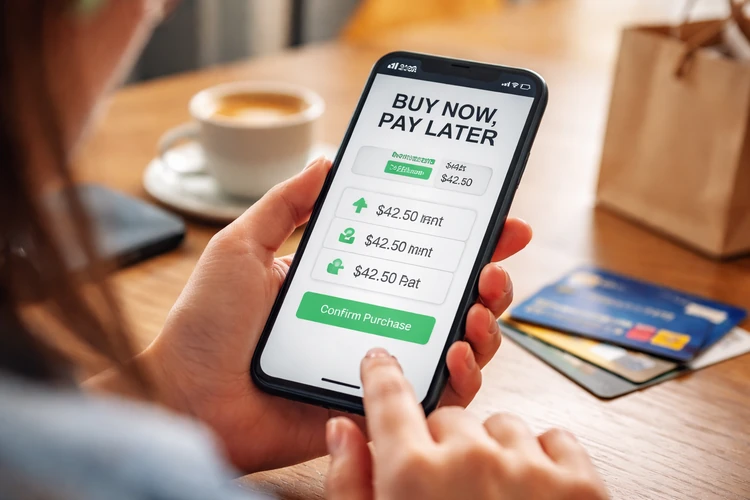

Buy Now, Pay Later (BNPL) services are surging in popularity as shoppers look for flexible ways to manage everyday expenses.
While installment plans can help consumers budget, missed payments and stacking multiple loans can quickly lead to financial trouble.
Experts say BNPL works best as a short-term cash-flow tool — not a way to afford items that are otherwise out of reach.
Buy Now, Pay Later services have rapidly evolved from a niche checkout option to a mainstream payment method offered by major retailers across the country. From clothing and electronics to groceries and travel bookings, shoppers are increasingly choosing to split purchases into smaller installments rather than paying upfront.
The appeal is straightforward: instant approval, no hard credit check in many cases, and zero interest if payments are made on time. Providers such as Affirm, Klarna, Afterpay, and PayPal Pay Later have embedded their services directly into online checkout pages, making enrollment almost frictionless. For consumers juggling higher prices and tighter budgets, the option to divide a $200 purchase into four payments of $50 can feel manageable.
But financial experts warn that convenience can mask risk.
A growing part of consumer spending
Industry analysts estimate that BNPL usage has grown steadily over the past several years, particularly among younger consumers. Many Gen Z and millennial shoppers say they prefer installment plans over traditional credit cards, viewing them as more transparent and easier to control.
Unlike revolving credit, most BNPL plans are structured as fixed installments — often four equal payments over six weeks. Longer-term financing options are also available for larger purchases, sometimes extending to 12 months or more.
For retailers, BNPL can boost sales and increase average order size. For consumers, it can offer breathing room between paychecks.
However, the simplicity of the model can create a false sense of security.
Where consumers get in trouble
The biggest risk isn’t necessarily one large purchase — it’s multiple small ones.
Because BNPL approvals are quick and often don’t involve rigorous credit checks, consumers can open several installment plans across different providers at the same time. A $75 clothing order here and a $120 electronics purchase there may not seem significant individually. But combined, the overlapping payment schedules can strain a monthly budget.
Personal finance advisors warn that “stacking” is a common problem. Consumers may lose track of due dates or underestimate how much of their upcoming paycheck is already committed. When automatic withdrawals hit a bank account with insufficient funds, late fees or overdraft charges can follow.
While many BNPL loans advertise zero interest, missed payments can trigger penalties. Some providers charge late fees, while others may restrict future use of the service. In certain cases, delinquent accounts may be sent to collections, potentially affecting a consumer’s credit.
Another concern is returns and refunds. If a consumer sends back an item but the refund processing is delayed, payments may still be due in the meantime. Confusion over merchant and lender policies can lead to accidental missed payments.
Smart ways to use BNPL
Financial counselors say BNPL can be useful when used intentionally and sparingly.
Here are a few guidelines experts recommend:
Treat it like a budgeted expense. Before selecting a pay-later option, consumers should ask whether they could afford the purchase outright. If the answer is no, installment payments may only delay financial strain.
Track all active plans. Keeping a written or digital list of outstanding BNPL payments and due dates can prevent surprises. Some budgeting apps now integrate installment tracking for this reason.
Limit simultaneous loans. Using one plan at a time reduces the risk of payment overlap and cash-flow issues.
Understand the terms. Not all BNPL services operate the same way. Consumers should review policies on late fees, interest for longer-term plans, dispute resolution, and credit reporting.
Avoid using BNPL for essentials if finances are unstable. Relying on installment plans for groceries, utility bills, or other necessities can signal deeper budget problems that may require a broader financial reset.
A tool, not a solution
At its best, Buy Now, Pay Later can function as a short-term cash management tool, offering structure and predictability. At its worst, it can encourage overspending and create a cycle of payment juggling that feels similar to credit card debt — just fragmented across multiple platforms.
As inflation pressures and consumer spending habits continue to evolve, BNPL services are likely to remain a fixture in online and in-store checkouts. The key for consumers is understanding that “pay later” still means “pay.”
Used thoughtfully, installment services can provide flexibility. Used carelessly, they can turn small purchases into big financial headaches.