
Bird Flu

Latest

Live bird flu can live in raw milk for a week, study finds

The findings emphasize the risks associated with unpasteurized milk

Featured Health News photo

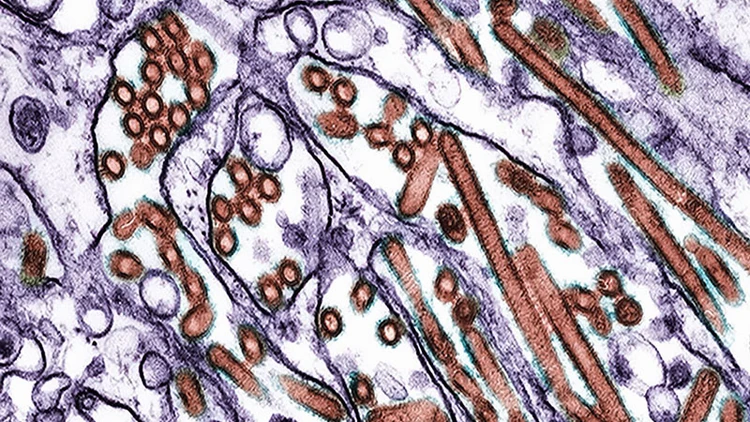
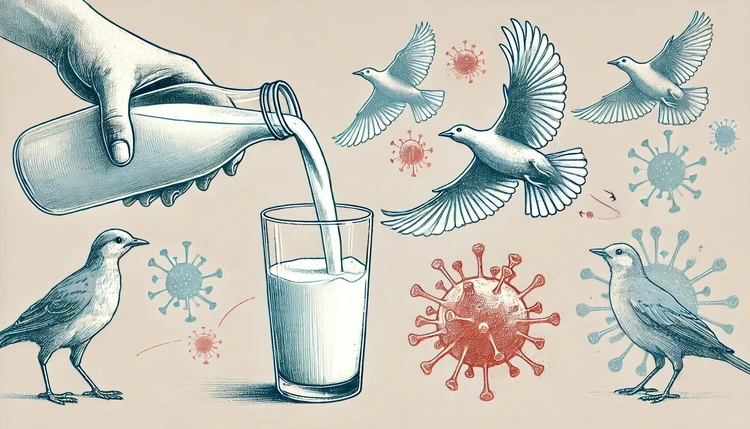
A recent study found that live bird flu virus (H5N1) can survive in raw milk for over a week when refrigerated, and more than 24 hours at room temperature.

Only unpasteurized (raw) milk is affected—pasteurization effectively kills the virus.

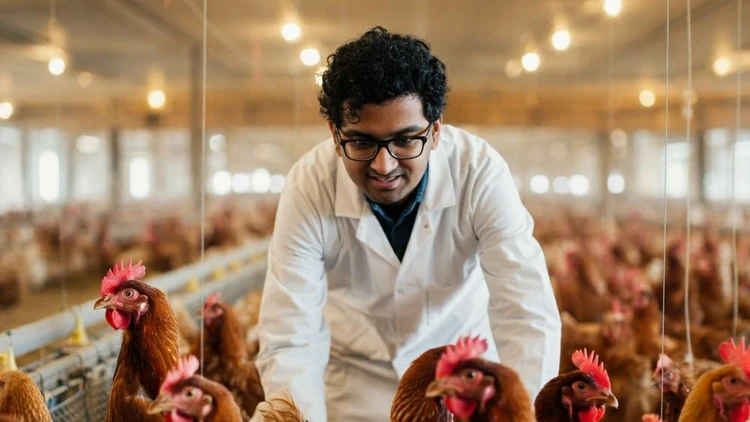
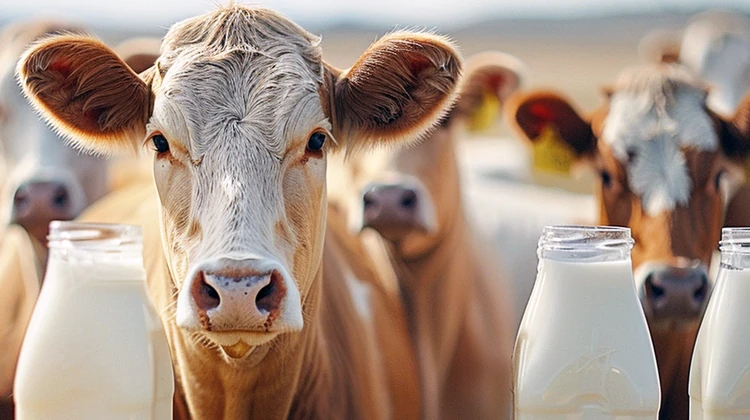
Potential risks exist for people who handle or consume raw milk from infected animals, especially in dairy or farm settings.

Bird flu continues to make headlines – this time, as it pertains to raw milk. 

A recent lab study found that H5...

Read Article
Featured Health News photo

Article Timeline

Newest
  • Newest
  • Oldest
2025
Article Image

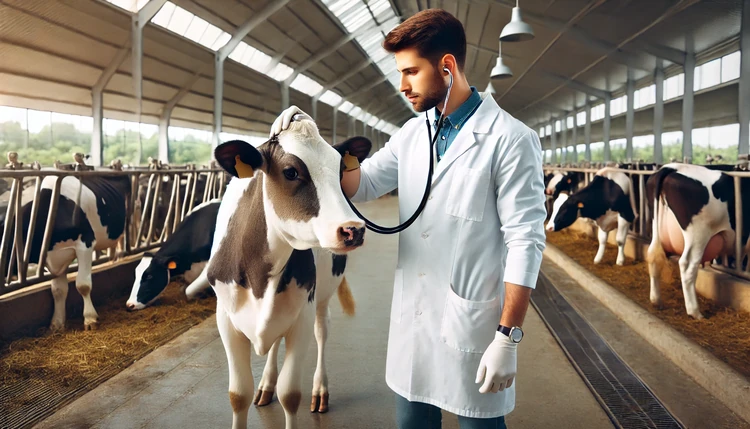
Bird flu cases among veterinarians raise concerns

A new survey conducted by the Centers for Disease Control and Prevention has revealed that highly pathogenic avian influenza (HPAI) A(H5) virus infections are more widespread among veterinary practitioners than previously thought. 

The study, which focused on bovine veterinary practitioners, underscores the potential for undetected transmission of the virus, raising important implications for public health practices.

HPAI A(H5) virus infections have been known to affect humans who are exposed to infected dairy cattle. The current outbreak of the virus was first detected in March 2024. Since then, human cases among dairy farm workers have been identified, with most infections being mild and detected through enhanced surveillance.

Key findings

The CDC's serosurvey, conducted in September 2024, involved 150 bovine veterinary practitioners with recent cattle exposure. A serosurvey is a study that involves testing blood samples from a group of individuals to detect the presence of specific antibodies.

The results showed that three practitioners had evidence of a recent HPAI A(H5) infection. Notably, two of these practitioners had no known exposure to infected animals, and one practiced in states without reported infections in cattle. These findings suggest that the virus may be present in dairy cattle in states where it has not yet been officially identified.

The CDC said the study highlights the need for systematic surveillance to rapidly identify HPAI A(H5) infections in dairy cattle, milk, and humans exposed to cattle. Such measures are crucial for ensuring appropriate hazard assessments and preventing further spread. 

The CDC has recommended offering antiviral medications and molecular testing to asymptomatic workers with high exposure to infected animals.

The serosurvey's findings indicate that HPAI A(H5) infections might be underestimated due to the lack of symptoms among infected individuals. None of the practitioners with positive serology results reported respiratory or influenza-like symptoms. 

A new survey conducted by the Centers for Disease Control and Prevention has revealed that highly pathogenic avian influenza (HPAI) A(H5) virus infections...

Article Image

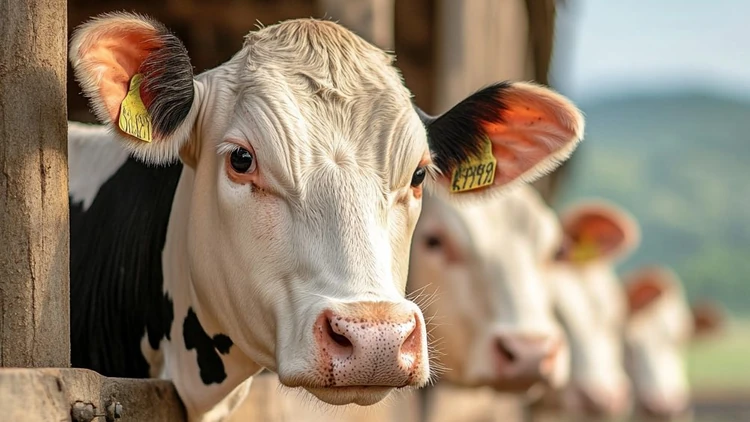
Second strain of bird flu is found in Nevada dairy cattle

The Nevada Department of Agriculture (NDA) has detected a second strain of the highly pathogenic avian influenza (HPAI) – or bird flu – in a herd of dairy cattle. 

The agency has quarantined the infected herds and has conducted mandatory testing of the rest of the herd. Consumers are safe to continue eating and drinking dairy products, so long as they’re pasteurized and cooked to appropriate temperatures. 

"Ensuring the safety of the industry is our utmost priority, and the NDA is working with industry members," NDA State Veterinarian Peter Rolfe, DVM, said in the news release. "It is critical that animal health biosecurity practices are enhanced to help prevent the spread of disease and protect animal and worker safety."

A new strain of the virus

The United States Department of Agriculture (USDA) discovered the recent dairy cattle outbreak in Nevada as a result of its ongoing National Milk Testing Strategy. 

What’s unique about this infected herd of cattle is the strain of the virus that was detected. Throughout the ongoing bird flu epidemic, most animals and people have been infected with the genotype B3.13. However, these cattle have been infected with genotype D1.1. 

This strain of the virus is most common in wild birds, mammals, domestic poultry, and most recently, in humans. It was this strain of the bird flu that was the result of the first infection-related death in Louisiana. 

Experts say this strain is likely to produce more severe symptoms – in both animals and humans. The original B3.13 strain was linked with more mild symptoms for both animals and humans infected. 

Despite this, the USDA says the overall risk to consumers’ health remains low, and the agency’s strategy to continue its ongoing testing program hasn’t changed. 

Nevada is taking steps to stop the spread

In addition to quarantining dairy cattle in the affected counties, the NDA is working with the USDA Wildlife Services to ensure more animals aren’t infected and the outbreak remains contained. 

"The challenge with this virus is that it may be spread through contaminated clothing worn and equipment shared between animals, but birds carrying the disease can also infect domestic animals and livestock," NDA Director J.J. Goicoechea, DVM, said in a news release. 

"We cannot stress enough how important it is to keep equipment clean, practice good animal health safety practices, and bolster biosecurity measures to prevent the spread of disease."

The NDA is closely monitoring its dairy cattle to detect the virus before the cows start showing symptoms. They’re also working to remove non-native European starlings from the affected counties, as these birds are the source of many infections, and can even contaminate food and water sources for other animals. 

"The protection of public and animal health is our utmost priority," Dr. Goicoechea said in the news release.

The Nevada Department of Agriculture (NDA) has detected a second strain of the highly pathogenic avian influenza (HPAI) – or bird flu – in a herd of dairy...

2024
Article Image

The bird flu germ that infected a human had mutated, scientists say

The U.S. Centers for Disease Control and Prevention reports the bird flu germ that infected a resident of Louisiana had gone through several mutations. Scientists compared samples from the patient with samples from the infected chickens in the man’s backyard.

The CDC said the human sample revealed mutations in the hemagglutinin (HA) gene, which attaches to host cells. Despite the mutations, the CDC said it does not think the public faces a danger from the current outbreak of bird flu.

Rather, there are other health threats facing Americans in the coming year. In addition to RSV, the flu and COVID-19, the CDC says pertussis, also known as whooping cough, made a surprising comeback in the U.S. in 2024, causing the largest number of confirmed cases in the last 10 years.

Whooping cough on the rise

As of mid-December, the CDC had received reports of more than 32,000 pertussis cases, five times as many as in 2023. Health officials say there is a vaccine against pertussis but vaccination rates have been declining.

According to the Mayo Clinic, pertussis is a highly contagious respiratory tract infection. Once infected, patients may have a severe cough, followed by “a high-pitched intake of breath” that sounds like "whoop."

Pertussis is generally considered to be a childhood disease and, according to the Clinic, primarily affects children too young to have completed the full course of vaccinations. Teenagers and adults may also be infected if the immunity from their childhood vaccinations has faded. Deaths from the infections are rare.

Walking pneumonia

The CDC is also reporting an alarming rise in respiratory infections caused by the bacteria Mycoplasma pneumoniae, a condition also known as walking pneumonia.

According to the CDC, bacterial infections caused by Mycoplasma pneumoniae increased in the United States since late spring and have remained high. The percentage of patients discharged from emergency rooms with a diagnosis of M. pneumoniae-associated pneumonia or acute bronchitis has been increasing over the past six months, peaking in late August.

The CDC said healthcare providers should consider M. pneumoniae as a cause of pneumonia and test when indicated.

The U.S. Centers for Disease Control and Prevention reports the bird flu germ that infected a resident of Louisiana had gone through several mutations. Sci...

Article Image

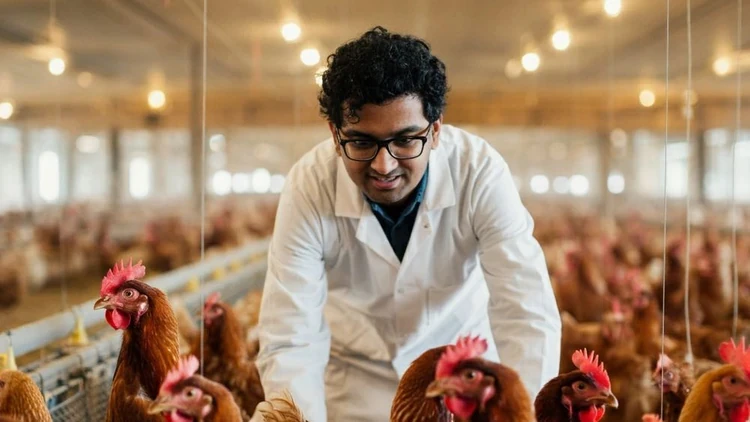
USDA orders all raw milk samples to be tested to control spread of bird flu

The United States Department of Agriculture (USDA) has made an official order to start testing all samples of raw milk as bird flu continues to impact farms across the country. 

The outbreak of highly pathogenic avian influenza (HPAI), or bird flu, began in March of this year, and after recent issues with raw milk in California, this order will hopefully prevent more cases of infection. The USDA is working to identify which herds are responsible for the spread of the virus, and this new National Milk Testing Strategy is designed to do just that. 

“Since the first HPAI detection in livestock, USDA has collaborated with our federal, state and industry partners to swiftly and diligently identify affected herds and respond accordingly. This new milk testing strategy will build on those steps to date and will provide a roadmap for states to protect the health of their dairy herds,” said Agriculture Secretary Tom Vilsack. 

“Among many outcomes, this will give farmers and farmworkers better confidence in the safety of their animals and ability to protect themselves, and it will put us on a path to quickly controlling and stopping the virus’ spread nationwide.”

What does the order entail?

The USDA’s order includes three primary requirements for all raw milk samples: 

  • Raw milk samples must be submitted to the USDA from any entity responsible for a dairy farm, bulk milk transporter, bulk milk transfer station, or dairy processing facility that sends or holds milk intended for pasteurization. 

  • Farmers who have animals that have become infected with bird flu must provide any and all epidemiological information to allow government agencies to conduct contract tracing and disease surveillance. 

  • Private labs and vets must report any positive tests that come from raw milk samples to the USDA. 

“This testing strategy is a critical part of our ongoing efforts to protect the health and safety of individuals and communities nationwide,” said Health and Human Services Secretary Xavier Becerra. 

“Our primary responsibility at HHS is to protect public health and the safety of the food supply, and we continue to work closely with USDA and all stakeholders on continued testing for H5N1 in retail milk and dairy samples from across the country to ensure the safety of the commercial pasteurized milk supply. We will continue this work with USDA for as long and as far as necessary.”

Current orders from the USDA require all dairy cows moving across state lines to be tested for infection. This mandate will remain in effect as this new order also goes into effect.  

The USDA plans to start implementing this new order the week of December 16 in California, Colorado, Michigan, Mississippi, Oregon, and Pennsylvania. 

The United States Department of Agriculture (USDA) has made an official order to start testing all samples of raw milk as bird flu continues to impact farm...

Article Image

CDC confirms first case of bird flu in a child in California

In addition to the recent warnings about bird flu in raw milk in California, the state has also reported the first case of the virus in a child. 

The case was first reported by the California Department of Public Health (CDPH) and was confirmed by the Centers for Disease Control and Prevention (CDC). The child was in Alameda County, California, had mild respiratory symptoms, no history of contact with an infected animal, and was recovering at home. 

“It's natural for people to be concerned, and we want to reinforce for parents, caregivers and families that based on the information and data we have, we don't think the child was infectious – and no human-to-human spread of bird flu has been documented in any country for more than 15 years," said CDPH Director and State Public Health Officer Dr. Tomás Aragón. 

Details of infection

The case was identified as a result of ongoing national surveillance related to bird flu. The child had mild flu symptoms and no interactions with potentially ill animals. 

However, it’s important to note that the infection remained contained to the child. The immediate family was also tested for bird flu and all tests came back negative. While some family members had more common respiratory viruses, there was no person-to-person spread of bird flu. 

The CDPH also explained that the child’s test showed low levels of the bird flu specimen, which also indicates he/she isn’t likely to be contagious to others. Additionally, the follow-up test four days later came back negative for bird flu, further confirming that the child wasn’t contagious. 

Despite this, the CDPH and the CDC are working together on an ongoing investigation to determine how the child became infected. 

Should consumers be concerned?

While the CDPH has reached out to anyone who came into contact with the sick child, the risk of infection spreading remains low. 

The CDC explained that cases like these are rare, but they do occur occasionally, and for consumers who don’t work around animals, there is a very low risk of contracting bird flu. 

However, for those who do work with animals, particularly livestock or cattle, the risk of infection is higher, and the CDC encourages the use of personal protective equipment (PPE) whenever possible. 

All consumers are urged to seek medical care if they develop any related symptoms and have been in contact with wild animals. 

In addition to the recent warnings about bird flu in raw milk in California, the state has also reported the first case of the virus in a child. The ca...