Inflation-weary Americans are prioritizing where they spend their money, and increasingly, it’s not for a new car. The U.S. Bureau of Economic Analysis reports the average number of new car sales, on a four-year rolling average, has fallen to 15.5 million, down from 17.7 million in 2019.
That trend has increased the age of cars currently on the road. According to Statista, passenger cars and light trucks in the United States had an average age of 12.6 years in 2024. That’s a slight increase from 12.5 years in 2023.
Consumers who can drive their cars longer stand to benefit financially. If their car has been paid for years earlier, the owner saves several thousand dollars a year by not making car payments.
They also may benefit from lower insurance costs. In many cases, it costs less to insure a 12-year-old car than a new one.
In a change from the past, today’s vehicles can last well over 100,000 miles, if well-maintained. But the older a vehicle gets, those maintenance needs tend to rise. And so do the costs.
Rising maintenance costs
The Bureau of Labor Statistics reports the cost of vehicle maintenance and repair rose 1.1% from September to October and is up 5.8% over the last 12 months.
While regular maintenance is important to keep older vehicles running, the Wall Street Journal reports there is anecdotal evidence that inflation is weighing on consumers’ maintenance schedules.
The Journal notes that the stock price of Monro, a chain of tire stores, fell by 12% when it revealed that same-store sales had fallen this year. People were still buying tires, the company said, but they were trading down to cheaper ones.
The stock price of Genuine Parts, the parent company of Napa, suffered a 20% decline in September when the company reported a steep drop in sales to retail customers.
Consumers are buying older used cars
In July, automotive website iSeeCars released a study showing Americans are not only keeping their vehicles longer, they’re buying older cars and trucks to begin with. While they’re saving money, the study shows they’re not saving as much as in the past.
The market share of the purchase of cars 10 years old or older has increased by 30% since 2014. Despite their increased market share, the price of older cars has gone up by 60% since 2014.
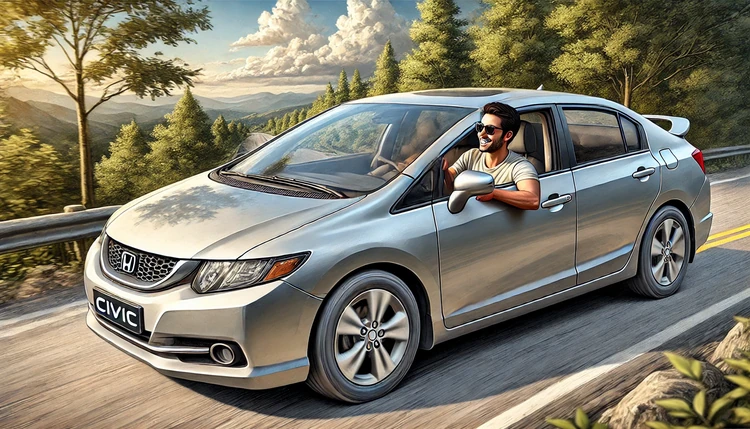
Older sedans, wagons, and hatchbacks make up 16 of the 20 vehicles with the biggest growth in older car market share, the study found.